8 Foods to Think Twice About Ordering at a Buffet
An all-you-can-eat buffet feels like a free pass: one price, endless trips, no menu to agonize over. But anyone who has walked out stuffed and still a little disappointed knows the trap. The buffet is built to fill you up on the cheapest things first, and some trays simply don’t hold up after an hour under the lights.
So we looked at what chefs, food writers and restaurant insiders say they pass by. None of this is about fear. It’s about quality, value and freshness, so your plate ends up with the food that’s actually worth the price of admission.
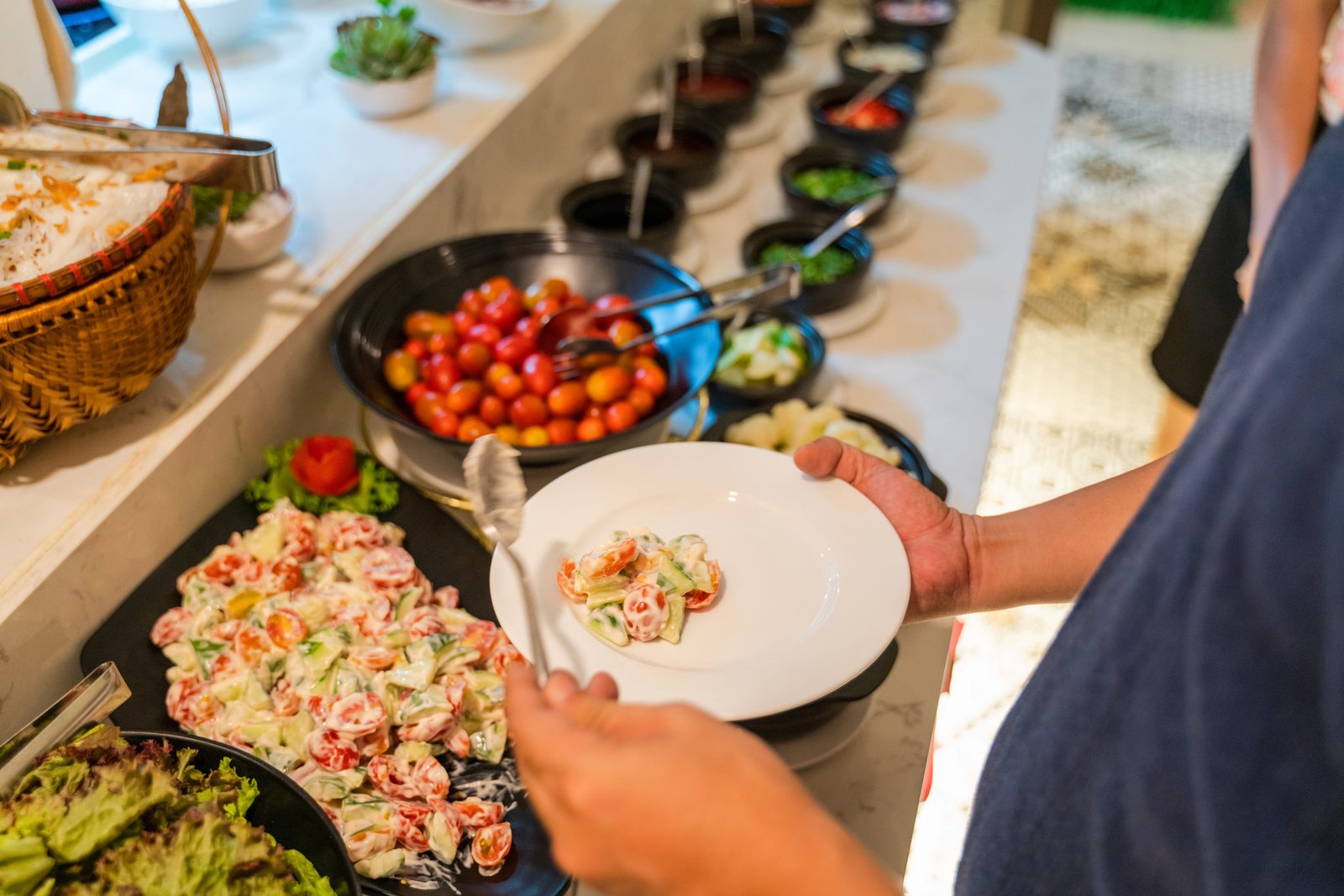
1. Whatever Sits at the Very Front of the Line
Buffets are rarely arranged by accident. Bread baskets, dinner rolls and simple green salads tend to sit at the start because they’re inexpensive and filling. The Takeout points out that the first item in line is often the cheapest thing in the room, designed to take up space on your plate before you reach the good stuff.
The fix is simple: walk the whole spread before picking up a plate. It’s the same kind of small habit that separates a good home cook from someone making the everyday kitchen mistakes most of us are guilty of. A two-minute lap tells you where the carving station, the seafood and the fresh-from-the-kitchen trays are hiding.
2. Plain White Rice and Basic Pasta
There’s nothing wrong with rice or noodles at home. At a buffet, though, they’re the classic filler. Daily Meal notes that rice, noodles, pasta and potato dishes are often placed up front precisely because they’re cheap and filling, and suggests starting with pricier items like prime rib before circling back to carbs.
Plain steamed rice is also one of the dishes that suffers most from sitting. Unless the tray is being swapped out often, it dries out on top and turns gummy underneath. If you want a starch, a scoop of fried rice or a freshly refilled potato dish usually tastes better. Think of it the way thrifty cooks think about humble foods that even wealthy people happily eat: wonderful in the right setting, not the best use of a buffet ticket.
3. Fried Foods That Have Been Sitting a While
Crispy things are the hardest to keep crispy. Fries, onion rings, fried shrimp and egg rolls start going soft from the steam in the pan the moment they leave the fryer. Chowhound warns that fried foods left out for long stretches turn soggy and stale, with a flat, slightly off flavor as the oil sits.
The exception is a tray that just came out of the kitchen. If you see a server set down a fresh batch, that’s your moment, and a friendly thank-you goes a long way, unlike the habits that make restaurant servers cringe. Otherwise, it’s rarely worth the space.
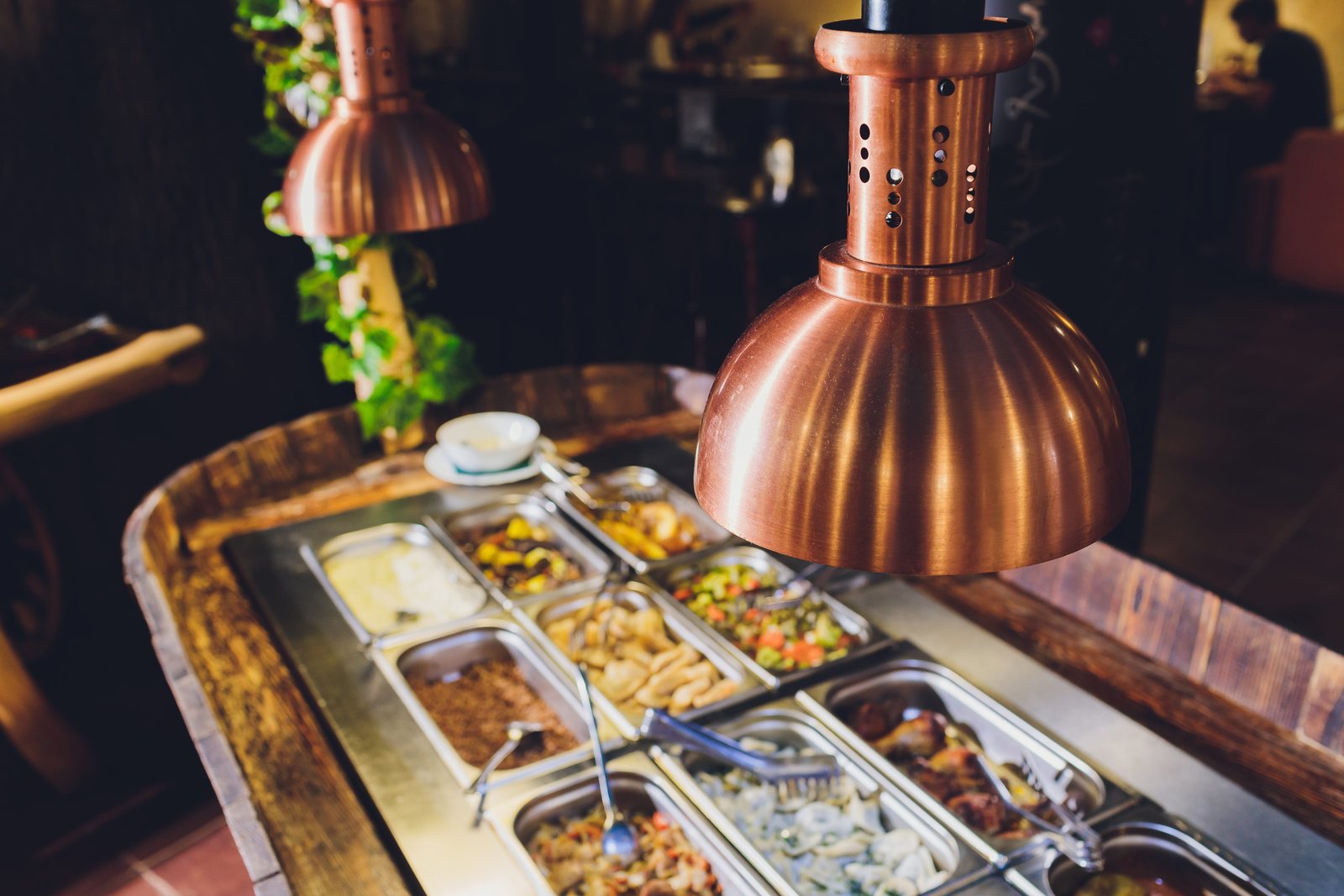
4. Pre-Dressed Salads and Tired Greens
Leafy greens are delicate. Once lettuce has been tossed with dressing, or has simply been sitting out, it goes limp fast. Food writers at The Takeout describe wilted greens as losing the crisp texture and bright flavor that make salad worth eating in the first place. Anyone who has picked lettuce straight from a backyard bed of fall greens knows how quickly that snap disappears.
If the salad bar is well kept and recently restocked, go for it, and dress it yourself. If the edges look brown and the bowl is half empty, skip it. Families who loved the old buffet chains that have all but disappeared will remember how much a crisp salad bar set the good ones apart.
5. Buffet Sushi
Sushi is a dish that depends on timing. Rice is meant to be served slightly warm and tender, and fish tastes best freshly cut. Hours on a chilled tray tend to leave the rice hard and the fish dull. Chowhound notes that buffet sushi often isn’t displayed in ideal conditions, which is why many diners save their sushi craving for a dedicated sushi counter.
If the buffet has a chef rolling to order, that’s a different story. Pre-made trays of identical rolls are the ones to think twice about.
6. Crab Legs That Look Dull or Dry
Crab legs are often the reason people choose a seafood buffet, so this one stings. But Chowhound cites a buffet owner who admitted that some places buy seafood past its prime and don’t steam it properly, leaving legs tough, rubbery and short on flavor. If they look dry or the shells seem pale and brittle, the experience usually matches. A little patience pays off here: it’s perfectly fine to ask when the next fresh batch is coming out.
7. Soda and Sugary Fountain Drinks
Drinks are a sneaky value drain. They’re often charged separately, and fizzy drinks fill you up before you’ve had a chance to enjoy the food. Both The Takeout and Chowhound suggest water instead, partly because soda is easy to buy anywhere and partly because bubbles take up room you paid to use on dinner.
8. The Last Scoop From a Nearly Empty Tray
This is the one chefs mention again and again. The bottom of a tray is where food has been sitting the longest, drying out around the edges or soaking in its own sauce. Daily Meal advises skipping nearly empty or old-looking trays and waiting for a fresh one instead. Buffets refill constantly, so a short wait usually rewards you with the dish at its best.
What to Go for Instead
Chefs tend to point people toward live stations: carving boards, omelet stations, hibachi grills and anything cooked to order. Those dishes are made in front of you, which is about as fresh as buffet food gets, and they’re usually the most expensive items on offer. Pair that with a small plate, a lap around the room before you start, and a willingness to wait for a fresh tray, and the buffet starts to feel like the bargain it promises to be.