The Baby Food Brand That Tried to Sell Jarred Dinners to Adults
In the 1970s, one of America’s most trusted baby food companies came up with an idea that seemed clever on paper. Millions of young adults were living on their own, putting off marriage and cooking for one. Why not sell them quick, single-serving meals in little glass jars, made by the same company that had fed them as babies?
The company was Gerber, and the product was called Gerber Singles. It hit store shelves in 1974, and it became one of the most famous food flops in American history. Business schools, marketing books and even a museum dedicated to failed products still point to it as a lesson in what not to do.
So what went wrong? The story involves changing American families, a falling birth rate, some unfortunate advertising slogans and jars that looked exactly like baby food. Here’s the strange tale of the time Gerber tried to get grown-ups to eat out of baby food jars.
Gerber’s Humble Beginnings
To understand why Gerber tried this, it helps to know how the company started. Gerber was founded in Fremont, Michigan, in the late 1920s, after Dorothy Gerber began straining fruits and vegetables by hand for her young daughter. Her husband, Daniel Gerber, worked at his family’s canning company, and the couple saw a business opportunity in ready-made baby food.
Gerber’s strained baby foods became a huge success, especially during the postwar baby boom, when millions of American families were having children. The company’s famous baby face logo, drawn in the late 1920s, became one of the most recognizable images on grocery store shelves.
A Problem: Fewer Babies
By the 1970s, Gerber faced a challenge. The baby boom was over, birth rates had dropped, and more young Americans were waiting longer to marry and start families. For a company whose entire business depended on babies, that was a serious concern.
Gerber looked for new customers. It noticed a growing group of young, single adults, many of them the very baby boomers who had grown up eating Gerber products. These young people were living alone, often in small apartments, and many of them didn’t want to cook full meals just for themselves. Gerber thought it had found the perfect market.
What Gerber Singles Looked Like
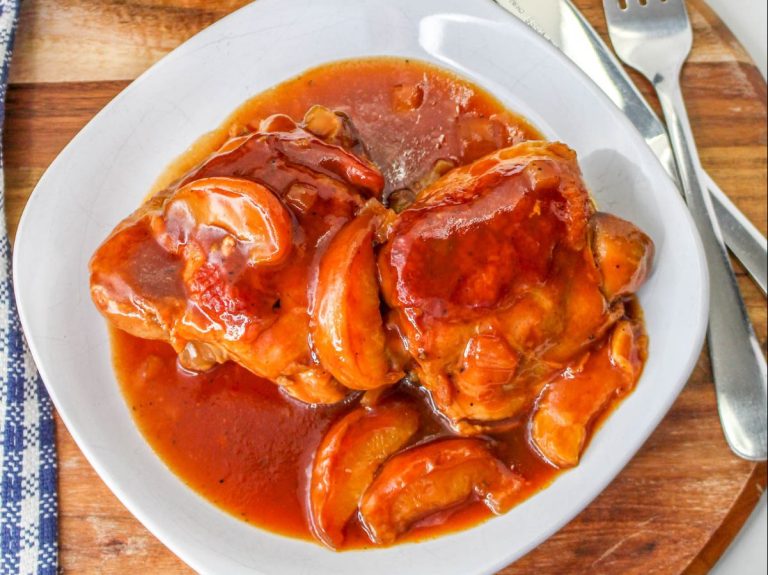
According to Food Republic, Gerber Singles came in small glass jars made on the same production lines as the company’s baby food. The flavors were meant to sound grown-up, including Beef Burgundy, Mediterranean Vegetables, Ham Casserole, Creamed Beef and Sweet and Sour Pork.
The problem was that the food reportedly wasn’t very different from the company’s baby food in taste or texture. It was soft, pureed and served in a jar that looked just like the ones parents fed their infants. For a young adult hoping to feel independent, eating dinner from what was essentially a baby food jar was not appealing.
The Advertising Made It Worse
Gerber’s marketing didn’t help. Food Republic reports that taglines associated with the product included “Something to eat when you’re alone” and “Look at you! All grown up!” Instead of sounding fun and modern, the slogans struck many people as sad or condescending.
Another line often linked to the product, according to the history of Gerber Singles, was “We were good for you then, we’re good for you now.” The message tried to build on nostalgia, but it also reminded customers that they were eating something designed by a baby food company.
Why It Flopped So Quickly
Shoppers simply weren’t interested. Reports say Gerber Singles was pulled from store shelves within about three months of its launch. Some accounts suggest it never made it to a full national rollout. Either way, it disappeared almost as quickly as it arrived.
Marketing experts usually point to a few main reasons. The jars looked too much like baby food, the food tasted like baby food, and the advertising suggested loneliness rather than freedom. Business Insider later summed up the problem by noting that pre-portioned jars of meat mush didn’t exactly appeal to young, single adults.
The Idea Wasn’t Actually Bad
Looking back, the basic idea behind Gerber Singles was ahead of its time. Single-serving, ready-to-eat meals are now a huge business. Microwavable bowls, frozen single-serve dinners and grab-and-go meals fill entire aisles in today’s supermarkets, and many of them target exactly the same customers Gerber was trying to reach.
The difference is in the execution. Modern single-serve meals are packaged to look like adult food, with photos of real dishes, bold flavors and convenient containers. Gerber’s mistake wasn’t recognizing the market. It was assuming adults would happily eat something that looked like it belonged in a high chair.
A Place in the Museum of Failure
Gerber Singles has become so famous as a flop that it earned a spot in the Museum of Failure, a traveling exhibition that showcases failed products and innovations from around the world. It sits alongside other famous misfires that tried to stretch a familiar brand into a new market and stumbled.
It’s often mentioned with other strange food experiments of the era. For many people who were young adults in the 1970s, though, it’s something they don’t remember at all, simply because it vanished so fast. That’s part of what makes the story so fascinating today.
Gerber Stuck to What It Knew
After the Singles experiment, Gerber returned its focus to babies and toddlers. The company grew its line of baby foods, snacks and toddler meals, and it remains one of the best-known names in baby food today. The brand eventually became part of Nestlé in 2007.
The failure became a lesson that companies still study. A trusted brand can be a huge advantage, but it can also box a company in. When customers strongly connect a name with babies, it’s hard to convince them that the same jars are suitable for a grown-up dinner.
Strange Food History Worth Remembering
The story of Gerber Singles is a reminder that even big, successful companies can misjudge what customers want. It’s one of many strange facts from the history of American food that sound almost too odd to be true.
Next time you see a single-serve meal in the grocery store, think back to those little jars of Beef Burgundy. They may have failed, but in their own odd way, they predicted how millions of Americans would eat decades later. Gerber just needed a different jar.