8 Fish Counter Favorites That Are Hard to Find Today
There was a time when the fish counter at the local grocery store or neighborhood fish market was a real destination. Whole fish lay on beds of crushed ice, a man in a white apron wrapped your order in brown paper, and you could choose from varieties that many shoppers today have never even heard of. Grandma knew exactly what to ask for and how to cook it.
Today’s seafood counters look very different. Many stores sell mostly salmon, shrimp, tilapia and a few frozen fillets, and some have shrunk their fresh seafood sections or closed them entirely. The fish that once filled those cases have become harder and harder to find, especially outside coastal towns and big cities.
Some of these favorites faded because of changing tastes, some because of falling fish populations and some because fewer people know how to prepare them. Here are eight fish counter favorites that older shoppers remember well, and that are surprisingly hard to find today.
1. Fresh Smelt
In the Great Lakes region, spring once meant smelt season. Families would head down to the shore at night with nets to catch the tiny silver fish as they ran up rivers to spawn, and smelt fries were a beloved community tradition in towns across Michigan, Wisconsin and Minnesota. Fish counters sold them by the pound.
Interestingly, smelt aren’t native to the Great Lakes. They spread through the region after eggs were introduced to a Michigan lake in 1912, according to the history of the rainbow smelt. Their numbers later dropped sharply in many areas, and the big smelt runs that older Midwesterners remember have become much smaller. Today, fresh smelt can be hard to find, though frozen ones sometimes appear.
2. Shad and Shad Roe
Along the East Coast, the arrival of shad in spring was once a big event. American shad swim up rivers like the Delaware, Hudson and Connecticut to spawn, and their roe, or egg sacs, was considered a true delicacy. Shad roe fried in butter with bacon was a seasonal treat many families looked forward to all year.
Shad populations have declined dramatically over the centuries, partly because dams blocked the rivers where they spawn. While some river towns still hold shad festivals, shad and shad roe are now rare at most grocery store fish counters. Many younger shoppers have never even heard of them.
3. Finnan Haddie
Finnan haddie is cold-smoked haddock, a dish with roots in Scotland that became popular in New England. The name is usually traced to Findon, a fishing village near Aberdeen, according to the history of finnan haddie. Grandmothers in Maine and Massachusetts poached it in milk and served it in a creamy sauce over toast or potatoes.
It was a comforting, inexpensive meal, especially in the colder months. Today, finnan haddie can be tricky to find outside specialty shops or some New England markets. Many people who grew up eating it say the smoky, milky dish tastes like their grandmother’s kitchen.
4. Lutefisk
For Scandinavian Americans in the Upper Midwest, lutefisk is a holiday tradition that’s hard to explain to outsiders. It’s dried whitefish, usually cod, that’s soaked in lye and then rinsed and cooked, resulting in a gelatinous texture. It’s traditionally served with butter or white sauce, boiled potatoes and lefse.
Lutefisk dinners at Lutheran churches and Sons of Norway lodges have long been a fall and winter tradition in Minnesota, Wisconsin and North Dakota. Fewer young people seem interested in the dish, and finding it at regular grocery stores has gotten harder, though some Midwestern stores still stock it around the holidays.
5. Salt Cod
Salt cod, also called bacalao or baccalà, was once a staple in many immigrant households, especially Italian, Portuguese and Spanish families. The stiff, dried fillets were soaked in water for a day or two to remove the salt, then used in stews, fritters and casseroles. For many Italian American families, salt cod is part of the Christmas Eve Feast of the Seven Fishes.
It used to be common in neighborhood markets, often sold in wooden boxes. Today, it’s mainly found in specialty stores or international markets, especially around the holidays. Many younger cooks are unfamiliar with the soaking process, which has kept it from becoming a regular purchase.
6. Eel
Eel was once a much more common sight at American fish markets, especially in Italian American and coastal communities. Fried or marinated eel was often part of the Christmas Eve feast, and some fish counters sold them live in tanks so customers could buy them fresh.
Today, eel is mostly associated with sushi restaurants, where it’s served grilled with a sweet glaze. Finding fresh eel at a regular fish counter has become rare. Older Italian Americans often remember their grandmothers preparing it for the holidays, a tradition that many families have quietly let go.
7. Whole Fish With the Heads On
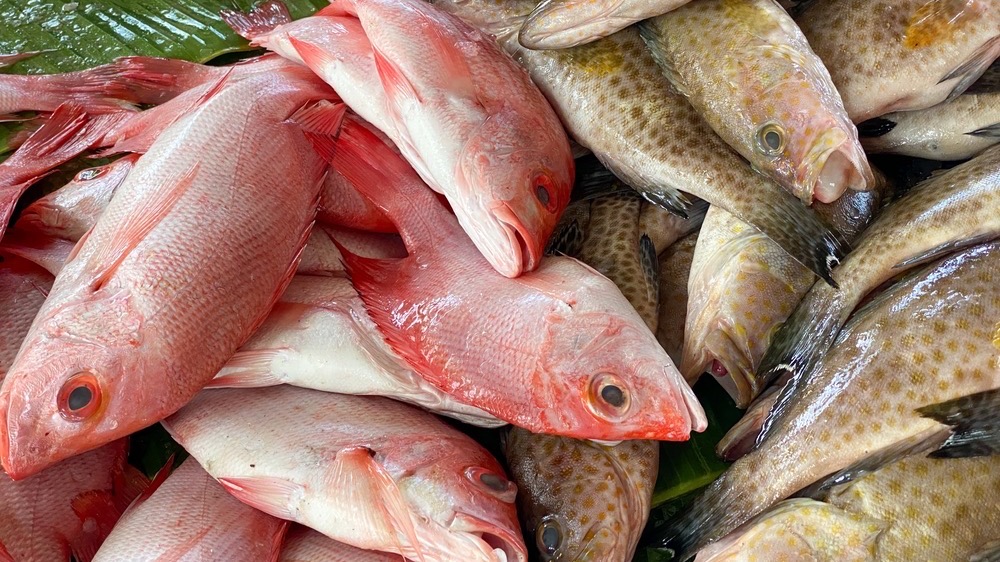
Grandma usually bought her fish whole, with the head, tail and bones still attached. She knew how to judge freshness by looking at the eyes and gills, and she used the bones and head to make broth or chowder. Whole flounder, porgy, perch and mackerel were common choices.
Many modern grocery stores now sell mostly pre-cut fillets, which are convenient but don’t offer the same variety. Whole fish are still common at Asian markets and some specialty fishmongers, but many mainstream supermarkets have shrunk or eliminated their full-service seafood counters. Older shoppers notice these changes most, along with the grocery store traps that have crept into modern supermarkets.
8. Fresh-Shucked Oysters by the Pint
In many coastal and Midwestern towns, fish counters once sold freshly shucked oysters in pint containers, especially around the holidays. Families used them in oyster stew on Christmas Eve, oyster dressing for Thanksgiving and fried oysters for special dinners.
Pint containers of shucked oysters can still be found in some regions, especially along the Gulf and Chesapeake Bay. But in many parts of the country, they’ve become hard to find at regular grocery stores. Many people who grew up with oyster stew at Christmas now have to hunt for them at specialty seafood shops.
Why These Fish Faded Away
Several things have changed the American fish counter. Many fish populations have declined because of overfishing, dams and pollution. At the same time, many shoppers have moved toward a few familiar choices like salmon, shrimp and tilapia, which are widely farmed and easy to cook.
Cooking habits have changed too. Many people no longer know how to clean a whole fish, soak salt cod or prepare shad roe. As older generations pass on, some of those skills are fading, and stores stock less of the fish people don’t know how to use. Many of these dishes were the kind of weird delicacies that outsiders found strange but locals loved.
Keeping the Old Favorites Alive
If you remember any of these fish from your childhood, it might be worth seeking them out at a local fishmonger, an international market or a regional festival. Many fish markets are happy to order specialty items if customers ask.
You might also ask an older family member to teach you how they used to prepare these dishes. Recipes like finnan haddie, salt cod stew or fried smelt are part of family history, and keeping them alive is a delicious way to remember where we came from.