How Long Thanksgiving Leftovers Really Last, According to the USDA
For a lot of families, the best part of Thanksgiving isn’t the big dinner. It’s the leftovers. Turkey sandwiches, reheated stuffing, a slice of pie for breakfast and a big pot of turkey soup can stretch the holiday out for days. But there’s always that moment in the middle of the next week when someone opens the fridge, stares at a container of mashed potatoes and wonders if it’s still good.
The answer isn’t a guess, and it isn’t based on whether something smells fine. The U.S. Department of Agriculture has clear, simple rules for how long cooked holiday food can safely sit in the refrigerator and freezer. Thanksgiving falls on November 26 this year, so it’s a good time to brush up. Here’s how long your leftovers really last, how to store them, and the mistakes that cause trouble.
The 2-Hour Rule Comes First
Before you even think about how long leftovers will last in the fridge, you have to get them there in time. The USDA says perishable food should not sit out at room temperature for more than two hours. After that, bacteria can multiply quickly in the temperature range between 40 and 140 degrees Fahrenheit, which food safety experts call the “danger zone.”
On Thanksgiving, that clock is easy to lose track of. Dinner runs long, people go back for seconds and the food sits on the table during football and dessert. The safest move is to start putting food away within two hours of when it comes off the stove or out of the oven, even if the party is still going.
Turkey: 3 to 4 Days in the Fridge
According to the federal storage chart, cooked leftovers can be kept in the refrigerator for three to four days. That includes your roast turkey. If you eat Thanksgiving dinner on Thursday, that means finishing or freezing the turkey by Sunday or Monday.
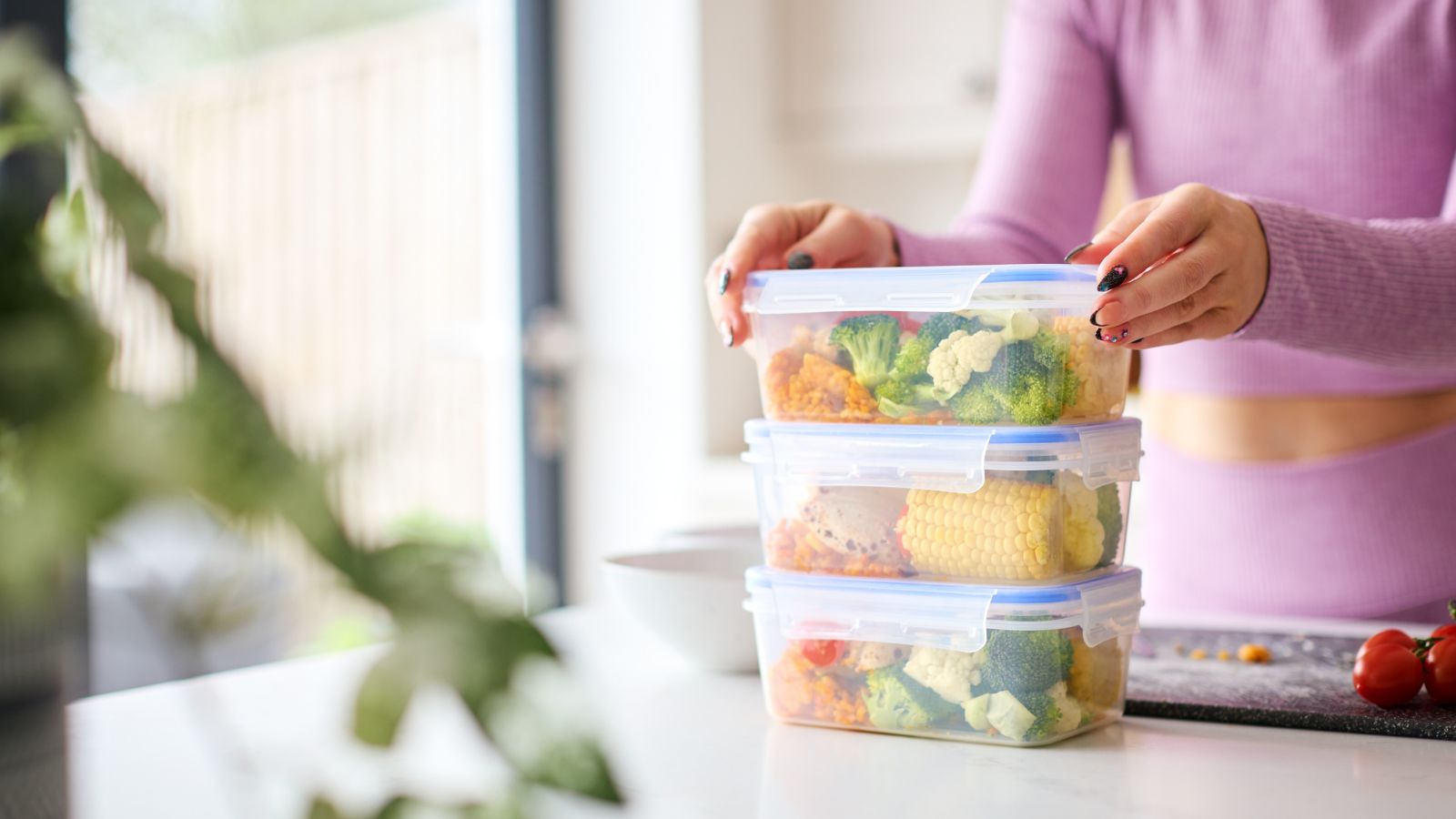
To store turkey safely, take the meat off the bone and divide it into smaller portions in shallow containers. A whole carcass or a large chunk of meat takes a long time to cool in the center, which gives bacteria more time to grow. Smaller portions chill faster and are easier to grab for sandwiches and soups later in the week.
Stuffing and Dressing: 3 to 4 Days
Stuffing follows the same three-to-four-day rule. But there’s an important extra step if you cooked it inside the bird. The USDA recommends removing all stuffing from the turkey cavity before storing, and keeping it in its own container.
Stuffing left inside a cooling turkey stays warm for too long, which is a recipe for bacteria. If you baked your stuffing or dressing in a separate dish, simply cover it and refrigerate it within two hours. When reheating, make sure it’s steaming hot all the way through, not just warm on top.
Mashed Potatoes, Casseroles and Side Dishes
Mashed potatoes, green bean casserole, sweet potato casserole, mac and cheese and roasted vegetables all fall under the general leftovers rule. They’re good for three to four days in the refrigerator when stored in covered containers.
It helps to label containers with the date before they go in the fridge. After a big holiday, it’s easy to forget which dish was made on Thursday and which came from a Saturday get-together. A strip of masking tape and a marker can save a lot of second-guessing later in the week.
Gravy Needs Extra Care
Gravy is one of the most perishable items on the Thanksgiving table. It’s made with meat drippings and stock, and it’s often left sitting out in a gravy boat for hours. Like other leftovers, it should be refrigerated within two hours and used within three to four days.
When reheating gravy, soups and sauces, the USDA recommends bringing them to a rolling boil. That’s different from simply warming them up. If your gravy separates or forms a skin in the fridge, that’s normal, and a good whisk while it heats will bring it back together.
Pumpkin Pie Belongs in the Fridge
Many families leave pies sitting on the counter for days after Thanksgiving, but pumpkin pie is a custard pie made with eggs and milk. That means it needs to be refrigerated after it cools, just like other egg-based dishes, according to the FDA. Refrigerated pumpkin pie is generally good for three to four days.
Pecan pie also contains eggs and should go in the fridge too. Fruit pies like apple and cherry are more forgiving and can sit out briefly, but refrigerating them helps them last longer. Store-bought pies may have different instructions on the box, so it’s worth checking the label.
What About Cranberry Sauce?
Cranberry sauce is more acidic than most Thanksgiving foods, so it tends to hold up better in the fridge. Canned cranberry sauce, once opened, should be moved into a covered container rather than stored in the open can, and the label usually gives a recommended time frame.
For homemade cranberry sauce, the simplest approach is to follow the same general leftovers guidance and use it within a few days for the best quality. If it grows mold or smells off, throw it out. Since cranberry sauce freezes well, many cooks portion out extra and save it for turkey sandwiches later in the season.
The Freezer Buys You More Time
If you can’t finish your leftovers within three to four days, freeze them. The USDA says frozen leftovers are safe indefinitely, though they’re best in quality when eaten within three to four months. Turkey, stuffing, gravy, mashed potatoes and many casseroles all freeze well.
Freeze leftovers in portions you’ll actually use, like a single meal or a family dinner’s worth. Use freezer-safe containers or bags, squeeze out extra air and label everything with the date. When you’re ready to eat, thaw leftovers in the refrigerator or microwave, not on the counter.
Reheat to 165 Degrees
When you warm up leftovers, the USDA recommends heating them to an internal temperature of 165 degrees Fahrenheit. A food thermometer is the most reliable way to check, especially for thick portions like turkey, casseroles or stuffing.
Microwaves can heat food unevenly, leaving cold spots in the middle. Stirring halfway through and covering the dish helps it heat more evenly. Our sister site also shares safety tips for the big day itself, including what never to leave near the stove while you cook.
When in Doubt, Throw It Out
The most important rule may be the simplest one. If you can’t remember how long something has been in the fridge, or it’s past the four-day mark, it’s safer to throw it away. Bacteria that cause foodborne illness often don’t change the way food looks, smells or tastes.
That can feel wasteful, especially after spending so much on a holiday meal this year. But planning ahead helps. Freezing leftovers early, sending guests home with containers and cooking a little less can all cut down on waste, so more of your Thanksgiving feast ends up eaten instead of tossed.