8 Foods You Should Never Thaw on the Counter, According to the USDA
It’s one of the oldest habits in the American kitchen. In the morning, someone pulls a package of chicken or ground beef out of the freezer, sets it on the counter and lets it thaw all day so it’s ready for supper. Generations of mothers and grandmothers did it this way, and plenty of families still do.
But according to the U.S. Department of Agriculture, the kitchen counter is one of the worst places to thaw perishable food. While the center of a frozen package stays icy, the outside can warm up into a temperature range where bacteria multiply quickly. With Thanksgiving turkeys going into refrigerators across the country this month, it’s a good time to revisit the rules. Here are eight foods you should never thaw on the counter, and the safe ways to do it instead.
Why the Counter Is a Problem
The USDA explains that frozen food is safe indefinitely, but as soon as it begins to thaw and rises above 40 degrees Fahrenheit, any bacteria present can start to multiply. Food left on the counter for more than two hours can enter what food safety experts call the “danger zone,” between 40 and 140 degrees.
The tricky part is that the food can look perfectly fine. The center may still be frozen solid while the outer layer has been sitting at room temperature for hours. According to the USDA’s guide to safe thawing, perishable foods should never be thawed on the counter or in hot water.
1. Whole Turkey
The Thanksgiving turkey is the most famous example of a food that should never be thawed on the counter. A large frozen bird can take days to thaw completely, and leaving it out overnight gives the outside plenty of time to warm into the danger zone.
The USDA recommends thawing a turkey in the refrigerator, allowing about 24 hours for every 4 to 5 pounds. That means a 20-pound turkey needs four to five days in the fridge. If you’re short on time, you can thaw it in cold water, changing the water every 30 minutes. Our sister site shares more holiday tips, including oven checks to make before the turkey goes in.
2. Chicken
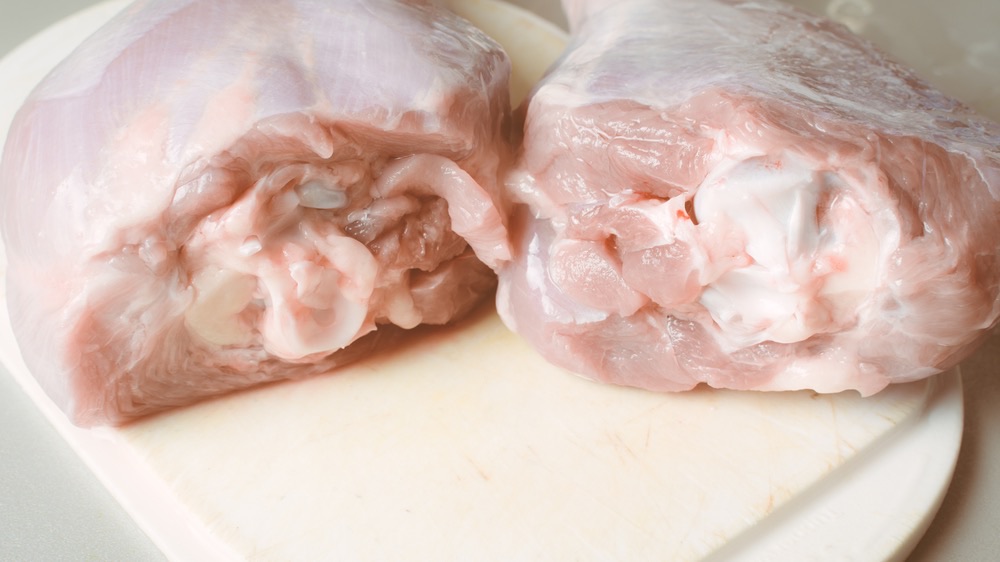
Chicken breasts, thighs and whole chickens are among the most common foods people leave on the counter to thaw. Raw poultry can carry bacteria such as Salmonella and Campylobacter, which is why the USDA is especially firm about safe thawing for chicken.
For quicker results, smaller pieces of chicken can be thawed in cold water in a leak-proof bag, which usually takes an hour or two. Chicken can also be thawed in the microwave, as long as it’s cooked immediately afterward. Many cooks find the refrigerator method easiest if they plan a day ahead.
3. Ground Beef
A pound of frozen ground beef left on the counter is a common sight in many kitchens. But ground meat is especially vulnerable because grinding spreads any surface bacteria throughout the meat. That makes safe thawing even more important.
The refrigerator is the best option, and a flat package of ground beef often thaws overnight. If you forgot to plan ahead, the microwave’s defrost setting works well, but the meat should be cooked right away. Many home cooks freeze ground beef in thin, flat bags so it thaws faster.
4. Steaks and Roasts
Steaks, pork chops and roasts may seem sturdy, but they’re still perishable and shouldn’t sit on the counter to thaw. A large roast can take a long time to thaw, giving the outer layers plenty of time to warm up.
Steaks and chops thaw relatively quickly in the refrigerator, usually within a day. Larger roasts may need several days. Cold water thawing also works for steaks in sealed packaging. Planning your meals a few days ahead makes it easy to move meat from the freezer to the fridge in time.
5. Fish and Seafood
Frozen fish fillets, shrimp and other seafood are delicate and highly perishable. Thawing them on the counter can affect both safety and texture, leaving them mushy or unevenly thawed.
The safest options are thawing seafood overnight in the refrigerator or placing it in a sealed bag in cold water. Shrimp and thin fillets thaw quickly in cold water, often in less than an hour. Many seafood packages also include thawing instructions, so it’s worth checking the label.
6. Leftovers and Casseroles
Frozen leftovers, soups, casseroles and stews should also be thawed safely. These dishes may contain meat, dairy, eggs and other perishable ingredients, and they can spoil just as easily as raw foods.
The USDA recommends thawing frozen leftovers in the refrigerator or microwave, or reheating them straight from frozen. Soups and stews can often be placed directly in a pot on the stove and heated slowly. Once thawed, leftovers should be reheated to 165 degrees Fahrenheit.
7. Dairy-Based Foods
Frozen foods containing milk, cream or cheese, like cheesecakes, cream pies and frozen dairy desserts, should be thawed in the refrigerator rather than on the counter. Dairy can spoil quickly at room temperature, and the texture of these foods holds up better with slow, cold thawing.
Many frozen desserts are designed to be thawed in the fridge for several hours before serving. Checking the package directions is always a good idea. For homemade frozen desserts, the refrigerator is the safest choice.
8. Cooked Rice and Pasta
Many people don’t realize that cooked rice and pasta can also be risky if left out too long. Cooked rice in particular can carry a bacterium called Bacillus cereus, which can survive cooking and multiply if rice sits at room temperature.
Frozen cooked rice and pasta should be thawed in the refrigerator or reheated directly from frozen in the microwave or on the stovetop. They reheat quickly, so there’s rarely a need to let them sit out. A splash of water can help restore their texture when reheating.
The 3 Safe Ways to Thaw Food
The USDA lists three safe methods for thawing food. The first is the refrigerator, which takes the longest but keeps food at a safe temperature the whole time. Food thawed in the fridge can be refrozen without cooking, although quality may suffer.
The second is cold water, where food is sealed in a leak-proof bag and submerged in cold tap water that’s changed every 30 minutes. The third is the microwave. Food thawed in cold water or the microwave should be cooked right away before refreezing.
Old Habits Are Hard to Break
Many people grew up watching their mothers and grandmothers thaw meat on the counter, and they remember nobody ever getting sick. But food safety experts say that doesn’t mean the practice was safe, only that families may have been lucky.
Changing the habit is easy once you get used to it. Moving tomorrow’s dinner from the freezer to the fridge the night before takes just a few seconds. With a little planning, you can keep the family meals coming while keeping everyone at the table safe.