8 Restaurant Meals Retirees Say Are No Longer Worth the Price
For many retirees, eating out used to be one of the simple pleasures of life after work. A weekday lunch with friends, a Sunday breakfast after church or a nice steak dinner for an anniversary felt affordable and worth every penny. Restaurants were a treat you could enjoy without worrying too much about the bill.
That’s changed. Menu prices have climbed steadily over the past several years, portions in some places have gotten smaller, and tipping expectations have gone up. Many retirees living on fixed incomes say certain restaurant meals simply aren’t worth it anymore. Here are eight restaurant meals retirees say they’ve stopped ordering, or ordering as often, because of the price.
1. Steak Dinners at Chain Steakhouses
A steak dinner used to be the classic special-occasion meal for many older couples. But beef prices have risen sharply, and restaurant steak prices have followed. A sirloin that once seemed reasonable now often costs much more, especially once you add sides, drinks and a tip.
Many retirees say they’d rather buy a good steak at the grocery store and grill it at home for a fraction of the cost. They can cook it exactly how they like it, too. For them, a restaurant steak has become a once-in-a-while splurge rather than a regular treat.
2. Breakfast at Sit-Down Diners
Breakfast used to be the most affordable meal to eat out. A plate of eggs, bacon, toast and hash browns with a bottomless cup of coffee was a bargain. Today, many retirees are shocked when a simple breakfast for two runs well past what they expected.
Egg prices spiked in recent years, and restaurants passed those costs on to customers. Coffee prices have gone up too. Many older diners say a homemade breakfast at their own kitchen table tastes just as good and costs far less. Our sister site shares diner classics Americans still order again and again, despite the rising prices.
3. Fast-Food Combo Meals
Fast food used to be the cheap option. But many retirees say they’ve had sticker shock at the drive-thru, where a burger, fries and drink can now cost as much as a sit-down meal used to. Fast-food chains have raised prices significantly over the past several years.
Some chains have responded by rolling out value menus and deals to win customers back. Still, many retirees say fast food no longer feels like a bargain. If they’re going to spend that much, they’d rather have a real meal somewhere they can sit down and relax.
4. Seafood Platters
Fried shrimp, crab legs and lobster used to be popular choices for older diners looking for a special meal. But seafood has become one of the most expensive items on many menus. A seafood platter can easily cost twice what a chicken dinner does.
Many retirees say seafood is now reserved for birthdays and anniversaries, if they order it at all. Some have switched to buying frozen shrimp or fish at the grocery store and making their own seafood dinners at home, where they can control both the price and the portion.
5. Buffets
Buffets were once a favorite among retirees. They offered a wide variety of food for one fixed price, and you could eat as much as you wanted. Many older diners loved the value and the freedom to try a little of everything.
But buffet prices have risen, and many buffets closed during and after the pandemic. Some retirees say the food quality at the remaining buffets has slipped, making them less worth the cost. Others simply don’t eat as much as they used to, so the all-you-can-eat deal doesn’t feel like a deal anymore.
6. Coffee Shop Drinks
A fancy coffee drink might not seem like a meal, but for many retirees, a daily latte or cappuccino adds up quickly. Some specialty coffee drinks now cost more than a full breakfast did a decade ago.
Many older Americans say they’ve gone back to brewing coffee at home, the way they always did. A good coffee maker and a bag of quality beans cost far less over time. You can find coffee makers compared in this look at a Keurig vs. Ninja for mornings and holiday guests.
7. Appetizers and Desserts
Appetizers and desserts are often where restaurant bills quietly balloon. A plate of mozzarella sticks or a slice of cheesecake can add a surprising amount to the check. Many retirees say they’ve started skipping both.
Instead, they’ll order a main dish and enjoy dessert at home. Some split an entree to save money and avoid wasting food. Smaller appetites also make it easier to pass on extras, which helps keep the bill under control.
8. Holiday Meals at Restaurants
Some families started eating Thanksgiving or Christmas dinner at restaurants to avoid the work of hosting. But holiday meal prices at many restaurants have climbed steeply, especially for larger families. Some prix fixe holiday menus cost far more than cooking a full meal at home.
Many retirees say they’d rather host a smaller gathering at home or join a potluck where everyone brings a dish. The American Farm Bureau’s annual survey puts a classic Thanksgiving dinner for 10 at about $58.63 this year. That’s often less than a single restaurant meal for two once tax and tip are added.
Why Retirees Are Pulling Back
The main reason is simple: fixed incomes don’t stretch as far as they used to. Food prices have risen faster than many retirees’ budgets, and restaurant prices have climbed even faster than grocery prices in recent years, according to USDA price data. When every dollar counts, eating out is often the first thing to go.
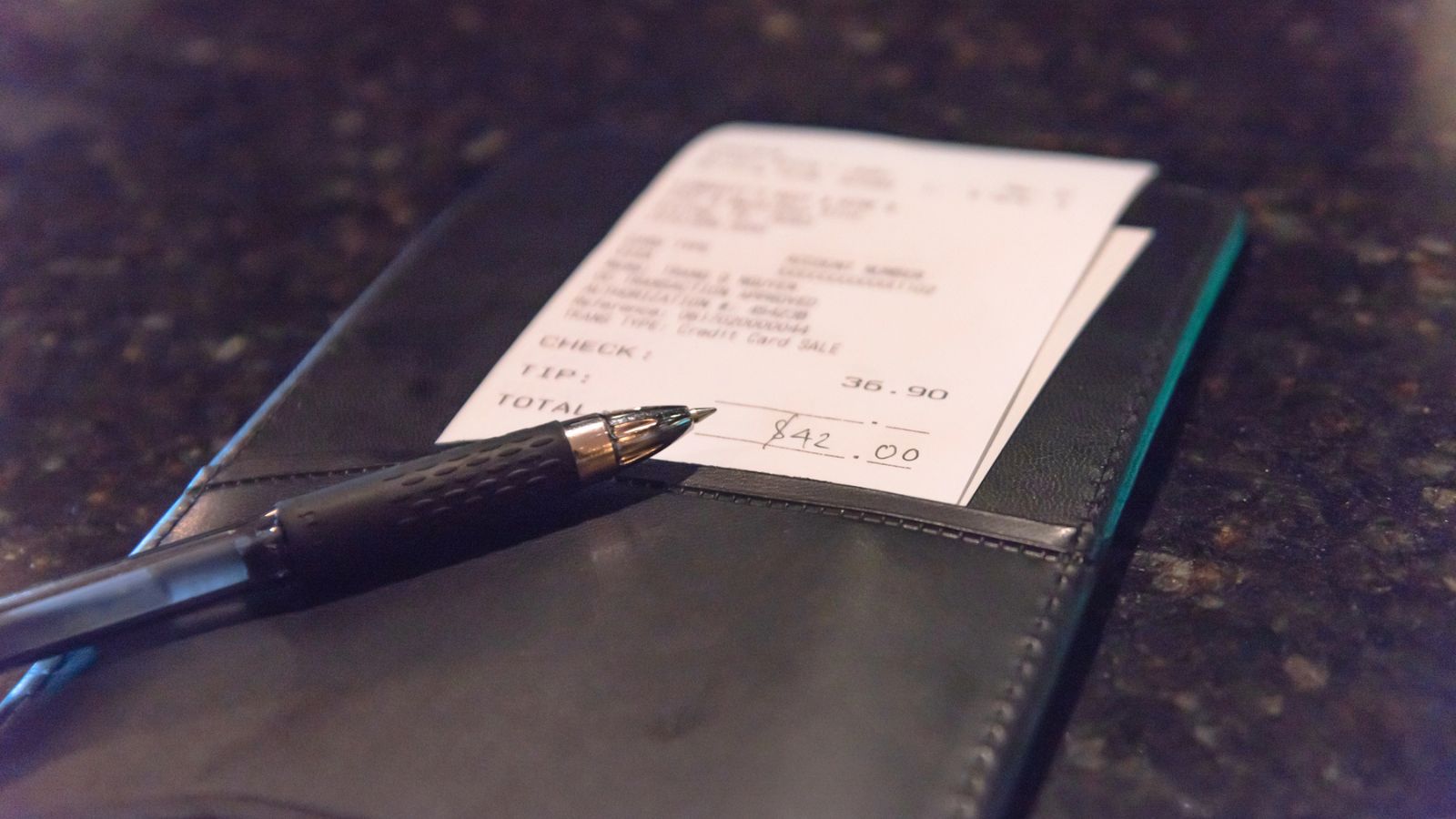
Tipping has also changed the math. Many retirees say they feel pressured to tip more than they used to, even at counter-service restaurants. Our sister site looked at why tipping has started to feel out of control for many Americans.
Eating Out Still Has Its Place
None of this means retirees have stopped eating out entirely. Many still enjoy a meal with friends or family, especially at places that offer good food at fair prices. Some look for senior discounts, early-bird specials or weekday deals that make dining out more affordable.
The difference is that eating out has become more of a special occasion than a regular habit. For many retirees, that makes each meal out feel more meaningful. And when they do go out, they want it to be worth every penny.