New York Lawmakers Voted to Ban 3 Food Additives Found in Bagels, Pizza Dough and Candy, and Now It’s Up to Hochul
New York’s famous bagels and pizza slices could be about to change. State lawmakers have passed a bill that would ban three food additives, including one that most of the city’s slice shops and bagel bakeries have used for decades. The only thing standing between the bill and the law books is Gov. Kathy Hochul’s signature.
Supporters say the additives should have been banned years ago, since several of them are already outlawed in Europe, Canada and California. But hundreds of small business owners are urging the governor to veto it, warning that it could raise food costs and change the taste of New York’s most iconic foods. Here’s what the bill would ban, why it’s so controversial, and what could happen next.
The 3 Additives on the Chopping Block
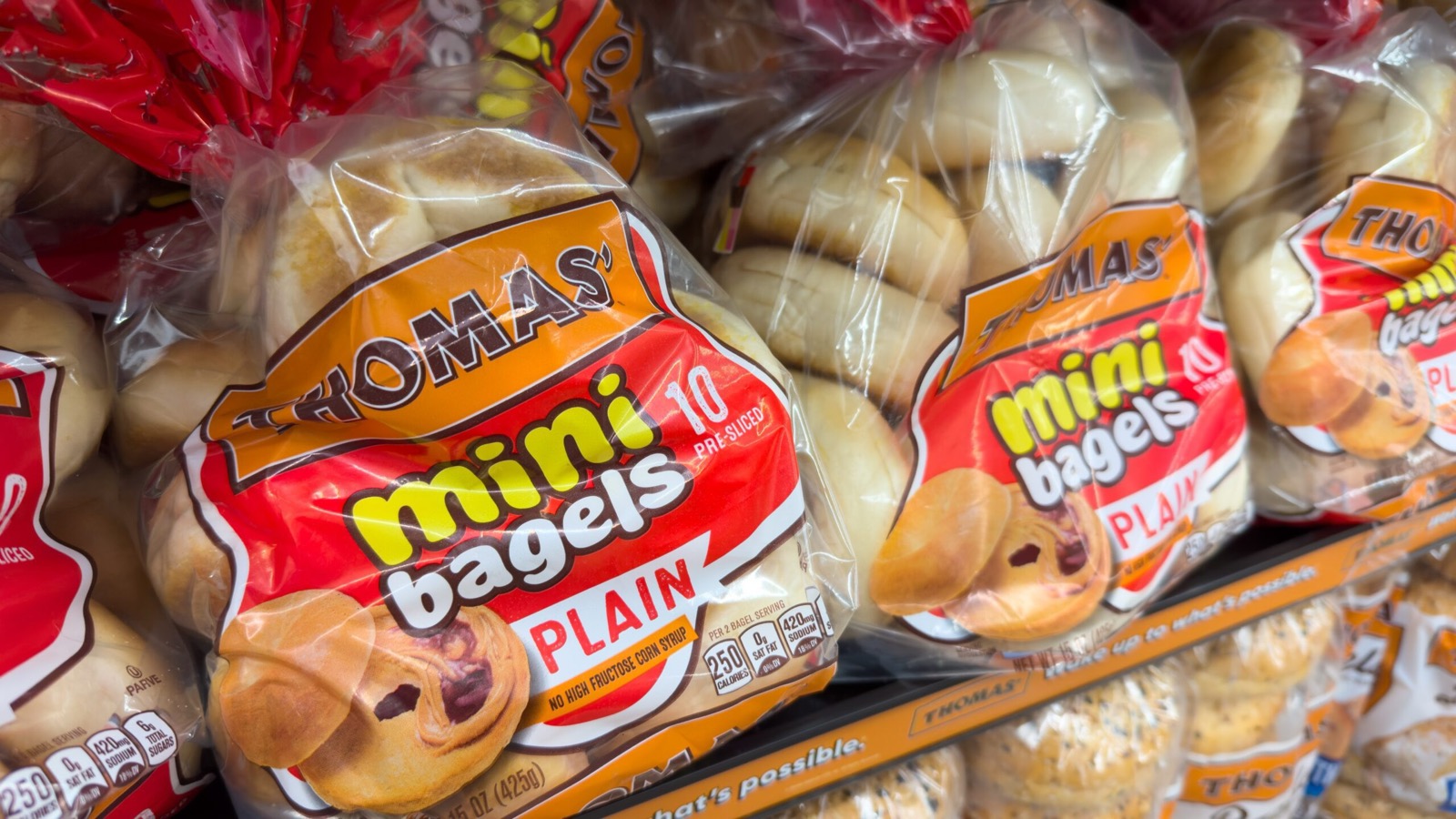
The bill would ban the sale, manufacture and distribution of foods made with three ingredients. The first is potassium bromate, a flour additive used to strengthen dough. The second is propylparaben, a preservative used in some baked goods and snacks. The third is Red Dye No. 3, a bright red coloring found in some candies, frostings and baked goods.
All three have been the subject of safety debates for years. Red Dye No. 3 has already been banned from U.S. food by the FDA under a rule that phases it out, and California’s food additive law, which takes effect in 2027, bans all three of these ingredients plus one more.
Why Bagels and Pizza Are at the Center
Potassium bromate is the ingredient that has New Yorkers talking. It helps dough rise higher, hold its shape and develop a chewy bite in less time. According to an Associated Press report, pizza historian Scott Wiener estimated that around 80% of New York’s pizza and bagel shops rely on flour that contains it.
Many neighborhood slice shops have used the same bromated bread flour since the city’s first grab-and-go pizza parlors opened nearly a century ago. Wiener called the possible ban “an earth-shaking event for New York pizza,” adding that the ingredient is part of the identity of the slice.
Bakers Are Already Testing New Recipes
Some shop owners aren’t waiting. The AP spoke with a Brooklyn pizzeria owner who started experimenting with unbromated flour after learning about the additive and said he actually came to like the results, even though the flour costs a little more. A Queens bagel shop owner said he has been adjusting his family recipe by changing yeast amounts and rise times.
He also warned that matching the classic New York bagel texture without bromate is “a lot more work” and more expensive. Many newer artisan pizzerias already advertise unbromated flour, and General Mills now sells an unbromated version of its popular pizza flour at roughly the same price.
Where These Additives Are Already Banned
Potassium bromate is already outlawed across the European Union, China, India and Canada. California’s ban starts next year as part of a law signed in 2023. That’s a big part of the argument from supporters, who say Americans shouldn’t be eating ingredients that other countries have already pulled.
Critics of the additive point to studies dating back to the 1980s that found it could cause cancer in laboratory animals. The U.S. government still allows it, and federal regulators have long said properly baked bread contains little or none of it. That difference between U.S. and international rules is why several states have started acting on their own.
The Push for a Veto
Not everyone wants the bill signed. More than 300 small business owners across New York have spoken out against it, saying it could make food more expensive at a time when families are already struggling with grocery prices. Food industry groups have also urged a veto, citing an industry-funded estimate that the rules would add hundreds of dollars a year to a typical household’s grocery bill.
The bill’s sponsors and food safety advocates dispute that number. They argue that most manufacturers already make versions of their products without these additives for California and overseas markets, so switching recipes for New York shouldn’t cost much.
It’s More Than Just a Ban
The bill does more than ban three ingredients. It would also require food manufacturers to report safety information to the state about certain ingredients they have declared “generally recognized as safe,” a federal category that lets companies add some substances to food without a full FDA review.
That disclosure piece is a major reason the food industry opposes the bill. Small, independently owned businesses with 100 or fewer employees would be exempt from the reporting rules. The bill also gives businesses a one-year grace period to keep using potassium bromate and to use up existing stock.
What Happens Next
The bill, known as S1239, passed the state Senate and the Assembly, where the vote was 106 to 32. Hochul’s office has said she will review it. In New York, the governor can sign a bill, veto it, or negotiate changes with lawmakers before signing, which happens often near the end of the year.
If she signs it, New York would join California as one of the first states with a broad food additive ban. Several other states, including Michigan, have considered similar bills. Our sister site has covered how states are taking food policy into their own hands, including bans on lab-grown meat.
What It Could Mean for Shoppers Outside New York
Even if you don’t live in New York, a ban there could affect what ends up on your grocery store shelves. Food companies rarely make separate versions of a product for every state. When a big market like California or New York bans an ingredient, manufacturers often reformulate the product everywhere rather than run two recipes.
That’s already happened with some candies and baked goods since California passed its law. Several companies have quietly switched away from Red Dye No. 3 and other targeted additives ahead of the deadline. If New York signs on too, the pressure on national brands to change their recipes would grow even stronger, and shoppers in other states could see new ingredient lists without any law in their own state.
Would You Notice a Difference?
That’s the question pizza and bagel lovers are asking. Some bakers say customers won’t notice anything, and a few argue that slower, longer-fermented dough could even taste better. Others insist the classic New York bagel’s height and springy bite depend on the old flour.
Either way, the fight shows how a single ingredient can stir up strong feelings when it touches a food people love. For New Yorkers, the next slice or everything bagel they buy could soon be made a little differently.