9 Foods Boomers Say Were Never Supposed to Be This Expensive
Baby boomers remember a time when certain foods were cheap, everyday staples. They were the foods families relied on when money was tight, the ones you could always afford no matter what. Now many boomers walk through the grocery store shaking their heads at the prices.
Food prices across the board have risen sharply in recent years. According to the U.S. Department of Agriculture’s Food Price Outlook, grocery prices have climbed well beyond what many families expected, and some items have jumped much faster than others. But it isn’t just inflation that bothers boomers. It’s the feeling that foods meant to be humble and cheap have somehow turned into luxuries.
Many of these foods were once the backbone of a frugal kitchen. Here are nine foods boomers say were never supposed to be this expensive.
1. Eggs
Eggs were always the cheap protein. A dozen eggs could feed a family breakfast, bake a cake or stretch a meal when the budget was tight. Boomers remember eggs costing well under a dollar a dozen for much of their adult lives.
Egg prices have swung wildly in recent years, especially during bird flu outbreaks that wiped out millions of laying hens. Even when prices come down from their peaks, many shoppers say eggs no longer feel like the bargain they once were. For boomers who grew up on eggs as the “poor man’s protein,” that’s hard to accept.
2. Ground Beef
Hamburger was once the go-to budget meat for meatloaf, tacos, casseroles and spaghetti sauce. It stretched easily and fed a crowd. Families who couldn’t afford steak could always afford ground beef.
Today, ground beef prices have hit record highs. The U.S. cattle herd has shrunk, and strong demand has pushed prices up. Many boomers say they never thought they’d see the day when a pound of hamburger cost as much as it does now.
3. Bacon
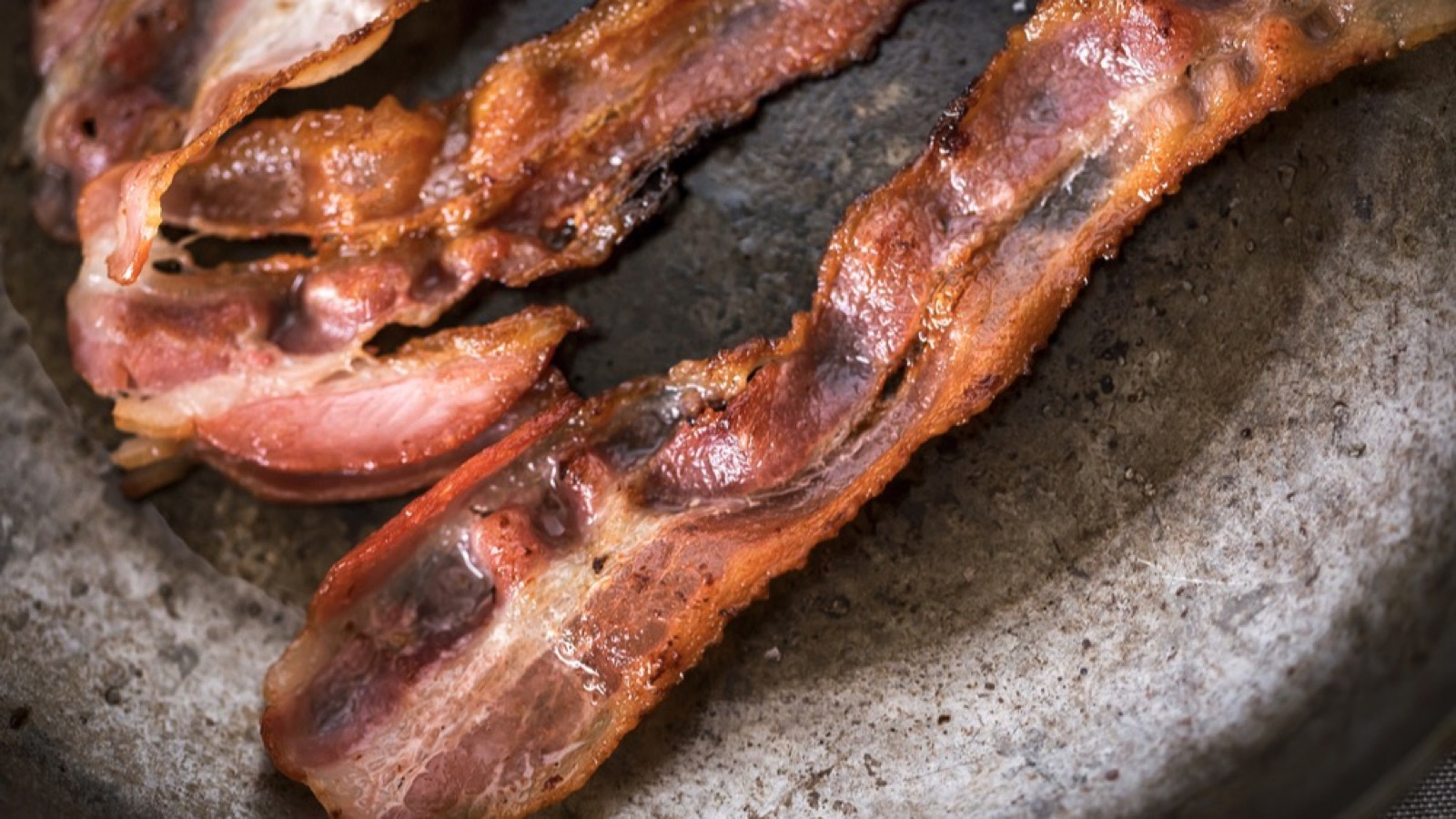
Bacon used to be an everyday breakfast item. Boomers remember their mothers frying a whole pound on Saturday mornings and saving the grease in a can by the stove. It wasn’t a luxury, it was simply part of breakfast.
Now bacon is one of the items many shoppers buy only on sale. Prices have climbed, and packages have gotten smaller. Many boomers say bacon has become a weekend splurge instead of a regular breakfast.
4. Coffee
For many boomers, coffee is non-negotiable. A big can of ground coffee once lasted weeks and cost very little. Coffee was brewed all day in percolators and offered to every visitor.
Coffee prices have risen sharply because of weather problems in growing regions and higher costs throughout the supply chain. Many boomers are now paying more for a bag of coffee than they ever imagined, and some have cut back on the number of pots they brew.
5. Bread
A loaf of plain sandwich bread was one of the cheapest items in the store when boomers were young. Families went through a loaf or two a week, and nobody thought twice about the cost.
Today, even basic bread costs several dollars a loaf, and specialty breads cost much more. Many boomers say bread is a good example of how prices for basic foods have quietly crept up year after year.
6. Butter
Butter was a staple in boomer kitchens. It went on toast, into baking and onto every vegetable. Many families bought it by the pound without much thought about price.
Butter prices have risen significantly, especially around the holidays when baking demand peaks. Some shoppers now buy margarine or wait for holiday sales to stock up. Boomers who remember butter as an everyday item find the price tags frustrating.
7. Canned Tuna
Canned tuna was the classic budget lunch. Tuna salad sandwiches, tuna casseroles and tuna noodle dishes fed families cheaply for decades. Boomers remember buying several cans at a time for very little.
Today, cans are smaller and prices are higher. Many shoppers have noticed that a can of tuna holds less than it used to, a practice known as shrinkflation. For boomers who grew up on tuna casserole, it’s another sign that budget foods aren’t so budget-friendly anymore.
8. Chocolate and Candy Bars
Boomers remember buying candy bars for a nickel or a dime as kids. Even as adults, candy was a cheap little treat at the checkout line. Now a single candy bar can cost well over a dollar.
Cocoa prices surged in recent years because of poor harvests in West Africa, and chocolate makers raised prices and shrank sizes. Holiday candy, especially, has become noticeably more expensive. Many boomers have strong memories of candy bars that cost far less, and some of those candy bars have disappeared entirely.
9. Breakfast Cereal
A box of cereal was once an inexpensive way to feed kids breakfast every morning. Boomers raised their children on boxes of cornflakes, Cheerios and sugary favorites that cost very little.
Today, a large box of name-brand cereal can cost five dollars or more, and boxes have gotten smaller. Many families have switched to store brands or buy cereal only on sale. Boomers who remember filling the pantry with cereal for pocket change can hardly believe the prices.
Why Prices Climbed So Much
There’s no single reason these foods became so expensive. Bird flu, droughts, smaller cattle herds, higher labor costs, transportation costs and packaging changes have all played a role. Some prices spike and fall, while others seem to keep climbing.
For boomers on fixed incomes, these increases can be especially painful. Social Security raises help, but many retirees say grocery prices rise faster than their checks. Many have gone back to the money-saving habits they learned from their parents, from clipping coupons to buying in bulk. Some even feel ripped off by prices they once never noticed.
Some boomers also point out that wages haven’t kept pace for many retirees. A Social Security raise of a few percent can disappear quickly when the price of eggs, coffee and beef jumps by much more, and that gap is felt most at the checkout counter.
A Generation That Remembers
Boomers aren’t just complaining for the sake of it. They lived through decades when these basic foods were truly cheap, and the change feels dramatic. For many, it’s a reminder of how much everyday life has changed since they were raising their own families.
Whether it’s a dozen eggs, a pound of bacon or a can of coffee, the grocery receipt tells the story. And for the generation that remembers when these foods were the cheap ones, it’s a story that’s hard to swallow.