People Who Always Bring a Dish to a Party Often Share These 8 Traits
Every family, church and neighborhood has one. No matter what the invitation says, they show up with something in hand: a casserole wrapped in foil, a plate of cookies, a bowl of potato salad or a homemade pie. Even when the host insists, “Just bring yourselves,” they never come empty-handed.
These are the people who make potlucks work and keep holiday tables full. Their habit isn’t just about food. It often reflects how they were raised and how they see their role in the people around them. Here are eight traits people who always bring a dish to a party often share. They’re general observations, but most of us know someone who fits every one.
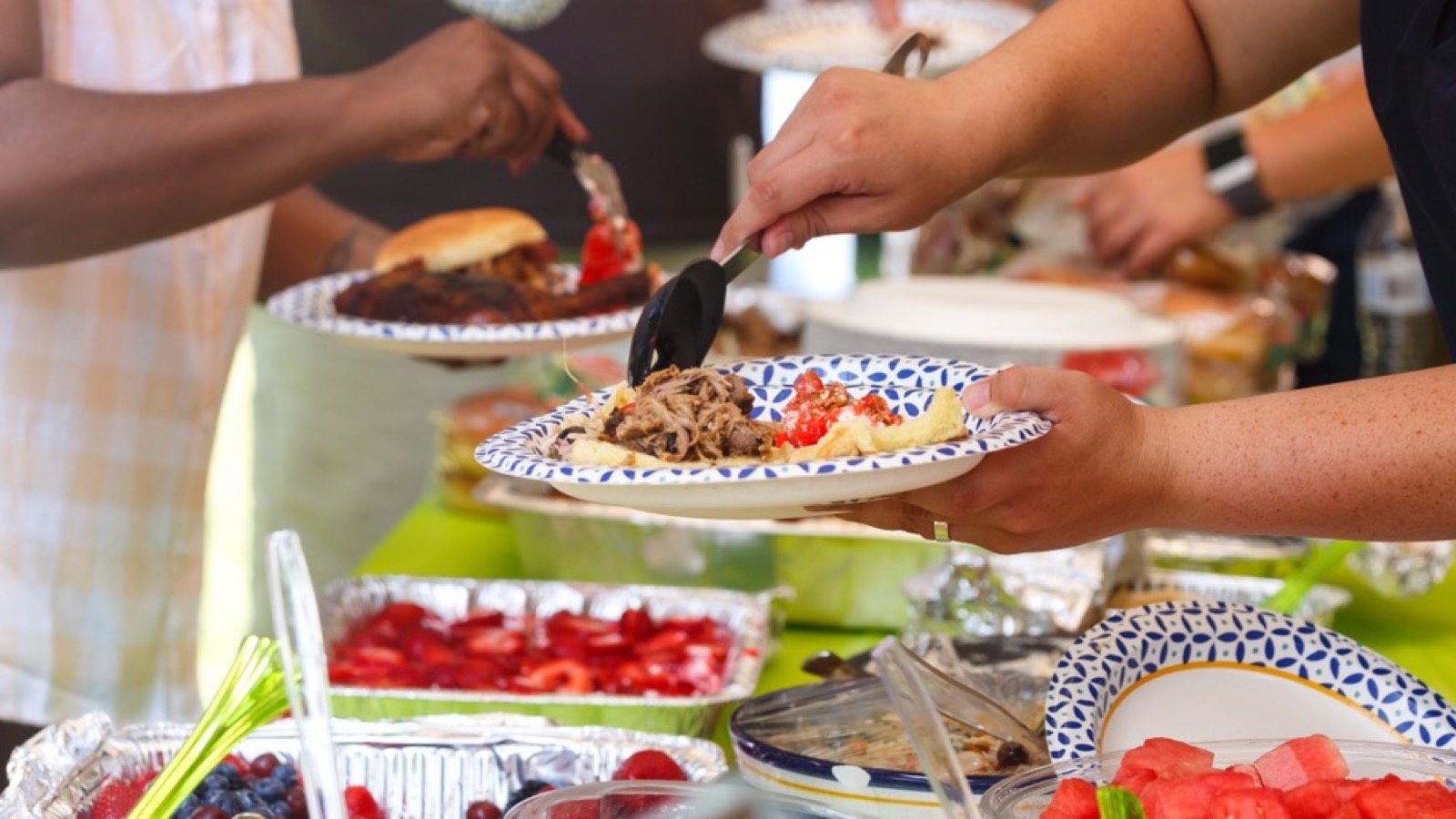
1. They Were Raised to Never Arrive Empty-Handed
Many people who always bring a dish learned the habit from their mothers and grandmothers. In many families, arriving at someone’s house without something to share was considered rude. You brought a pie, a jar of jam or a bottle of something, even if it wasn’t needed.
That lesson stuck. Decades later, they still feel a little uncomfortable walking into a gathering with nothing in their hands. For them, bringing food is a basic courtesy, as automatic as saying please and thank you.
2. They’re Generous
Bringing a dish takes time, money and effort, especially when it isn’t required. People who do it every time tend to be generous in other ways too. They’re the ones who send home leftovers, lend a hand when someone is sick and remember to drop off a meal after a new baby or a funeral.
They don’t do it for credit. They simply like taking care of people, and food is one of the easiest ways to show it. Many friends say these are the people they call first when they need help.
3. They Like Being Useful
Some people feel most comfortable at a party when they have a job. Bringing a dish gives them a purpose: they can set it out, serve it, refill it and wash the bowl afterward. It takes the pressure off making small talk with strangers.
These are often the same people who end up in the kitchen helping the host, carrying trash bags out or wiping down counters while others relax. They’d rather keep busy than sit still, and contributing something makes them feel part of the event.
4. They’re Proud of a Signature Recipe
Many people who always bring a dish have a recipe they’re known for. It might be a seven-layer dip, a green bean casserole, deviled eggs, banana pudding or a family cake recipe. People start to expect it, and some hosts even request it.
That signature dish becomes part of their identity. They take pride in it, guard the recipe carefully and feel a little hurt if someone else brings the same thing. Potluck culture has given many American home cooks their moment to shine, and many of the most famous casseroles that defined family dinners owe their fame to these gatherings.
5. They Think About the Host
People who bring a dish are often thinking about how to make things easier for whoever is hosting. They know that feeding a crowd is expensive and exhausting, and they want to lighten the load. Some will text ahead to ask what’s needed, so they don’t double up on desserts.
That consideration is a sign of good manners and empathy. Etiquette guides have long recommended bringing a small host gift, and these guests take that advice seriously. Many lists of houseguest etiquette tips make the same point.
6. They Grew Up With Community Meals
Many people who always bring food grew up with church suppers, potlucks, family reunions or neighborhood cookouts. In those settings, everyone contributed something, and the meal was a group effort. Showing up without a dish simply wasn’t done.
That background shapes how they see gatherings today. To them, a party isn’t something one person provides for everyone else. It’s something everyone builds together. That’s especially true in the Midwest and South, where covered-dish dinners are a deep-rooted tradition.
7. They’re Reliable
If someone always brings a dish, you can count on them. They remember the date, show up on time and follow through on what they promised. Hosts often say these are the guests they least have to worry about.
That reliability tends to carry over into friendships and family life. They’re the people who show up for hospital visits, help with moves and remember birthdays. Bringing food is just one visible sign of a dependable personality.
8. They Express Love Through Food
For many of these people, cooking is how they show they care. They might not be the most talkative guest, but their homemade dish says what they don’t put into words. A warm casserole after a loss or a batch of cookies for a birthday is their way of saying, “I’m thinking about you.”
This is especially common among older generations, who often grew up in homes where love was shown through meals rather than spoken out loud. Grandmothers who always arrive with something wrapped in foil are often expressing more affection than any card could.
Why Some Hosts Love It and Others Don’t
Most hosts appreciate guests who bring food, especially for large gatherings. But some hosts plan a full menu and feel a little awkward when extra dishes arrive. They may worry about where to put everything or whether to serve it.
Guests who always bring something usually adapt. They might bring a dessert or appetizer that won’t compete with the main meal, or a gift the host can enjoy later. The goal is to help, not to take over, and experienced guests learn to read the situation.
The Guest Every Host Remembers
Hosts often say the guest with the covered dish is the one they remember fondly long after the party ends. They’re the person who quietly refills the punch bowl, asks if anyone needs a ride home and leaves the kitchen cleaner than they found it. Many families have a story about the relative whose pie or casserole became the highlight of every reunion, and those stories get retold for years.
A Tradition Worth Keeping
Bringing a dish to a party is a small habit, but it reflects generosity, thoughtfulness and a sense of community. In a world where many gatherings are catered or ordered online, these guests keep an older, warmer tradition alive.
The next time someone shows up at your door with a covered dish you didn’t ask for, it’s worth seeing it as the gesture it is. They’re not trying to outdo you. They’re simply doing what they were raised to do, and the party is usually better for it.