9 Things That Were Considered Rude in 1975 but Are Normal Now
Manners change with every generation. Behaviors that would have earned a stern look or a lecture in 1975 are now completely ordinary. Many boomers remember being scolded for things their grandchildren do every day without anyone blinking.
Some of these changes reflect more relaxed attitudes, while others come from shifts in work, technology and family life. Older Americans often have mixed feelings about them. Some welcome the freedom, while others miss the formality. Here are nine things that were widely considered rude in 1975 but are normal now.
1. Calling Adults by Their First Names
In 1975, children were expected to address adults as Mr., Mrs. or Miss, followed by their last name. Calling a friend’s parent, a teacher or a neighbor by their first name would have been seen as disrespectful. Even adults often used titles with people they didn’t know well.
Today, many children call adults by their first names, and many adults prefer it. Some families still teach formal titles, especially in the South, where “Miss Linda” or “Mr. Bob” remains common. But in many places, first names are now the norm.
2. Men Wearing Hats Indoors
In 1975, men were expected to remove their hats indoors, especially in homes, churches, restaurants and during the national anthem. Keeping a hat on at the dinner table was considered especially rude.
Today, baseball caps are worn almost everywhere, including restaurants, classrooms and even some churches. Many younger people don’t know the old rule existed. Older Americans often still notice and quietly disapprove, especially at the dinner table.
3. Wearing Jeans to a Nice Restaurant
In 1975, many restaurants had dress codes, and jeans were often not allowed in nicer establishments. Men wore jackets and sometimes ties, and women wore dresses or skirts. Going out to dinner was a dressed-up occasion.
Today, jeans are acceptable in most restaurants, even upscale ones. Casual dress has become the standard for dining out, church services and many workplaces. Some older diners miss the sense of occasion that came with dressing up. It’s one of many old-school etiquette rules that have faded.
4. Dressing Casually for Air Travel
Air travel in the 1960s and 1970s was a special event, and passengers often dressed up in suits, dresses and good shoes. Wearing sweatpants or flip-flops on a plane would have seemed shocking.
Today, many travelers wear leggings, sweatshirts and sneakers for comfort. Airports are crowded, flights are long and comfort has become the priority. Many older travelers remember when flying felt glamorous and say they still dress up a little out of habit.
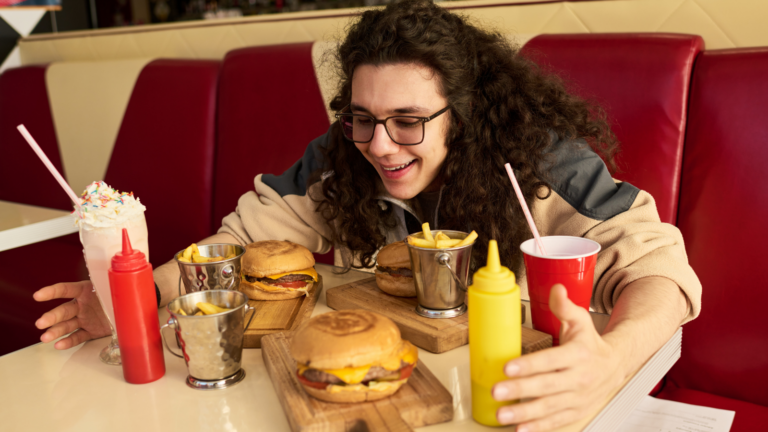
5. Eating While Walking Down the Street
In 1975, eating while walking in public was often considered bad manners. Food was meant to be eaten sitting down, at a table or at least on a bench. Parents told children not to eat on the go.
Today, people eat and drink while walking all the time: coffee cups, breakfast sandwiches, snacks and fast food. Busy schedules and convenience culture have made eating on the go perfectly normal. Few people give it a second thought.
6. Chewing Gum in Public
Many boomers remember being told that chewing gum in public, especially in school, church or at work, was rude and unladylike. Teachers made students spit it out, and some parents forbade it entirely.
Today, gum chewing is common in many settings, though some schools still have rules against it. It’s generally seen as harmless, and many people chew gum to stay alert or freshen their breath. Older Americans may still wince at loud chewing or popping bubbles.
7. Elbows on the Table
“Get your elbows off the table!” was a common phrase at family dinners in 1975. Proper table manners required sitting up straight, keeping elbows off the table and using utensils correctly.
Today, many families are more relaxed about table manners. Elbows on the table are rarely mentioned, and many families eat meals on the couch or at the kitchen counter. Some older adults still follow the rule and teach it to their grandchildren, but it’s no longer strictly enforced in most homes.
8. Women Asking Men Out
In 1975, it was generally expected that men would ask women on dates, pay for dinner and make the first move. A woman asking a man out was considered forward and unusual, and many people would have frowned on it.
Today, women asking men out is common, and splitting the check is widely accepted. Dating apps have also changed the rules, letting anyone make the first move. Many boomer women say they’re glad younger women have more freedom than they did.
9. Using “Ms.” Instead of “Mrs.” or “Miss”
In 1975, the title “Ms.” was still new and controversial. Many people saw it as a political statement tied to the women’s movement, especially after Ms. magazine launched in the early 1970s. Some considered it rude or unnecessary to use it.
Today, “Ms.” is the standard default for women in most business and formal settings, regardless of marital status. Younger women may not realize it was once debated. Many boomer women remember choosing it as a quiet statement of independence.
Why Manners Changed So Much
Many of these shifts reflect broader social changes. Workplaces became more casual, families became busier and attitudes toward gender roles shifted. Technology also changed how people communicate and spend their time.
At the same time, some etiquette experts argue that manners haven’t disappeared but simply changed. Today’s rules focus more on things like phone etiquette, respecting personal space and being inclusive. The Emily Post Institute still publishes etiquette advice that reflects these modern expectations.
Do Older Americans Miss the Old Rules?
Many boomers have mixed feelings. Some appreciate that people are freer to be themselves and dress comfortably. Others miss the formality and respect they associated with old manners, like titles, dressing up and sitting down for meals.
Many grandparents still teach their grandkids a few old-fashioned rules, like saying “please” and “thank you,” writing thank-you notes and taking off hats indoors. These small traditions help keep a bit of the past alive.
Thank-You Notes Are One Rule That Stuck
Not every old rule has faded. Many older Americans still write thank-you notes after gifts, dinners and visits, and they’ve taught their grandchildren to do the same. People who keep up the habit of handwritten thank-you notes are often seen as especially thoughtful, proof that some old-fashioned manners still make a strong impression.
A Reminder That Manners Evolve
What’s considered polite has always changed over time, and it will keep changing. Behaviors that seem normal today may look rude to future generations, just as some old rules seem strange now.
For boomers, looking back on how much has changed can be a source of nostalgia, humor and sometimes frustration. But it’s also a reminder that every generation shapes its own idea of good manners, and that kindness and respect never go out of style.