
People Who Check Their Bank Statements Every Month Often Have These 5 Traits
Checking a bank balance can be a quick stop between other things: open the app, look at the number, move on. Reviewing a statement means looking at the transactions behind that number and asking whether they make sense.
The Consumer Financial Protection Bureau recommends reviewing statements monthly for accuracy, reporting errors immediately, and watching for changes in fees or account terms.
That routine may reflect the five tendencies below, but it is not a personality test. These are practical interpretations of account-monitoring behavior, not scientifically established traits that every monthly statement reader shares.
They Pay Attention to Details
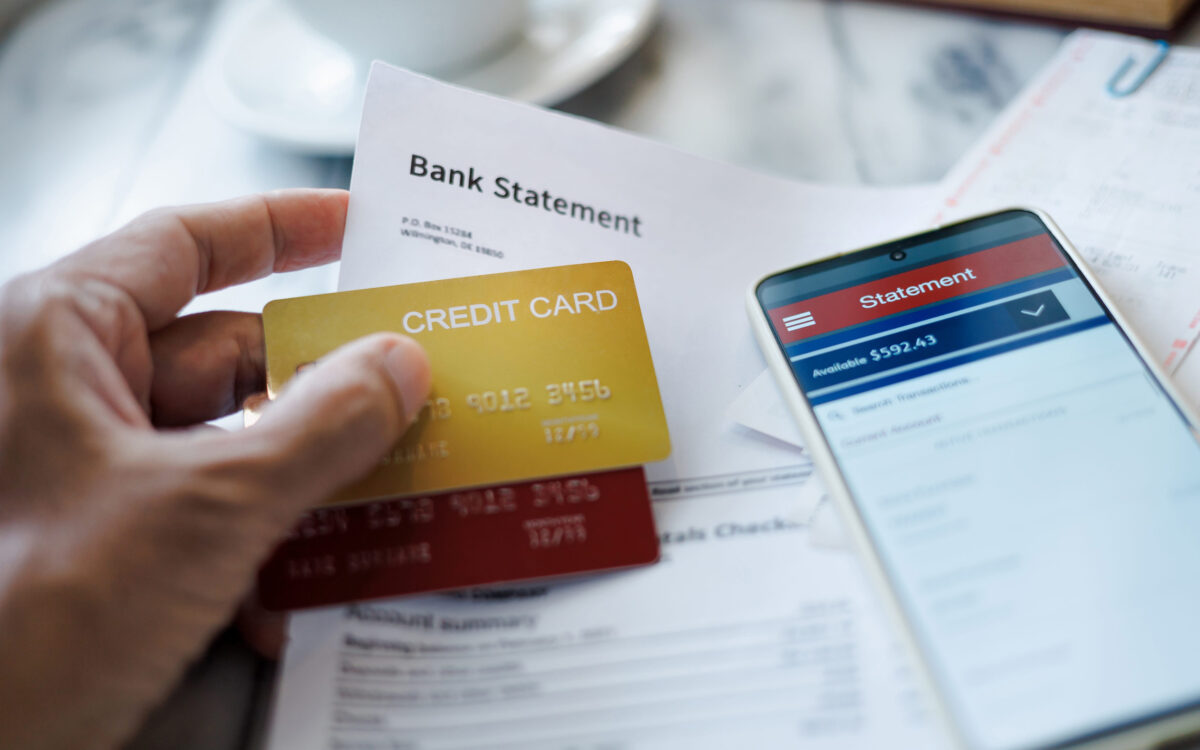
An account balance gives you a total. Individual transactions tell you what contributed to it. Someone who examines those entries is paying attention to amounts, merchant names, deposits, and withdrawals rather than stopping at the summary.
Imagine spotting a small purchase you do not remember making. It would be easy to shrug because the amount seems insignificant. A closer reviewer might pause to figure out what it was.
That pause matters. The CFPB’s guidance on suspicious account activity explains that thieves sometimes test stolen information with a small transaction before attempting more. It recommends examining unfamiliar merchant names, even when the amounts are small.
This shows attention to financial details, not proof that the person is meticulous about everything else.
They Like Staying Organized
For some people, a statement is a monthly checkpoint. Did the paycheck arrive? Did the insurance payment go through? Does that cash withdrawal match the trip to the ATM?
There need not be a spreadsheet involved. The organizational element is having a repeatable way to review what came in and what went out.
The FDIC’s guidance on organizing finances explains that online banking lets customers review deposits and withdrawals, access statements, and check their balances. It also emphasizes tracking automatic withdrawals to help avoid overdrawing an account.
A payment being automatic does not make it invisible to the person reviewing it. Regular checks can reflect a preference for keeping financial records understandable, even when the system is nothing more elaborate than reading a statement.
They Prefer to Be Proactive
Checking an account only after something goes wrong is different from reviewing it when everything seems ordinary.
A person with a regular routine might open the statement each month without having a particular concern. The point is to look, not to wait until a declined payment or another obvious problem demands attention.
The CFPB encourages making account monitoring a habit even when customers are unsure whether their information has been compromised. Online and mobile access can make it easier to examine transactions frequently between statements.
There is an important distinction here: a monthly review is a checkpoint, not a waiting period. If someone notices a suspicious transaction on a random Wednesday, the CFPB advises contacting the bank or card provider immediately. The next statement can wait; reporting the concern should not.
They Are Conscious of Their Spending
A month can feel inexpensive until the transactions are laid out in front of you. Reviewing a statement replaces a general impression with a record of individual purchases.
Someone might notice two streaming subscriptions with overlapping content or a membership they have barely used. Seeing those charges together creates an opportunity to ask whether they still make sense.
The FTC recommends monitoring credit and debit card statements after signing up for free trials so that unexpected charges do not go unnoticed. It also advises checking whether renewal prices match expectations.
Awareness does not require canceling every nonessential expense. A reviewer might decide that both streaming services are worth keeping. What matters here is the chance to evaluate the spending, not an assumption that statement readers spend less than everyone else.
They Take Responsibility for Their Finances
Reading a statement is one part of account management. Following up when something looks wrong is another.
Suppose a charge appears for a service that was canceled weeks earlier. Someone who stays engaged might find the cancellation confirmation, contact the company, and check whether the charge appears again.
The FTC’s guidance on stopping subscriptions recommends keeping cancellation requests and conversation notes, watching statements for continued charges, and disputing charges when appropriate. The CFPB similarly advises keeping correspondence and recording follow-up calls when reporting fraudulent transactions.
Responsibility here means participating in the process: asking questions, contacting the bank when necessary, and retaining useful records. It does not mean earning a particular salary, being debt-free or having every financial difficulty under control.