6 Things Women Say When They No Longer Feel That Spark With Their Husbands
A marriage can look ordinary from the outside while feeling lonely inside. A couple may share a home, raise children, and manage daily responsibilities, yet struggle to find the warmth that once made them feel like partners. Emotional distance can appear in everyday conversations before either person knows how to describe it. Sometimes one partner notices the change first; sometimes both sense it but avoid naming it. Recognizing the feeling is not the same as assigning blame. It creates an opportunity to ask what has changed and what each person needs.
Certain remarks may signal that a woman feels overlooked, disconnected, or tired of repeating concerns. They don’t automatically mean she’s stopped loving her husband, wants to leave, or has lost romantic or sexual interest. Context matters: the words may reflect a difficult week, an unresolved disagreement, or a longer pattern.
“I Feel Like You Notice Everything I Do, Except Me”
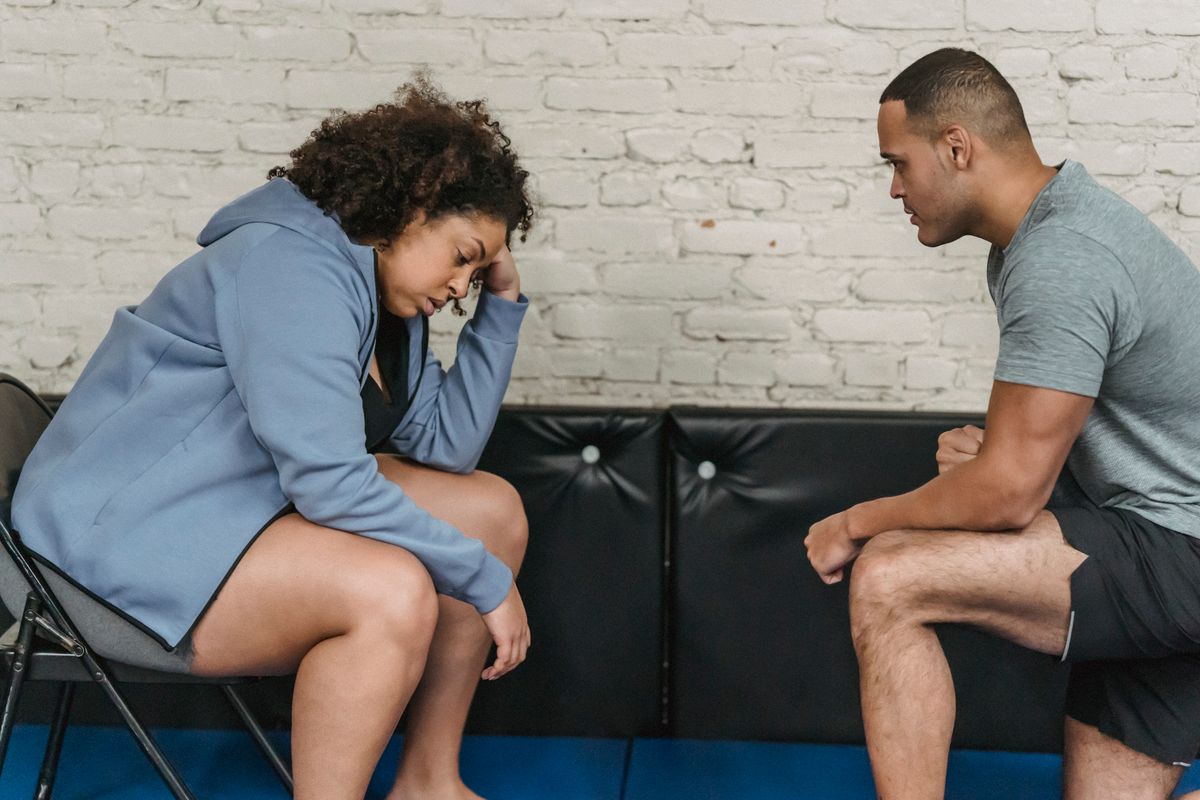
This statement may express frustration about being seen mainly through the tasks a woman completes. A husband might notice dinner, bills, or appointments while overlooking the person behind those responsibilities.
Research published in Psychological Science has examined how appreciation relates to the effects of unequal household labor on relationship satisfaction. The findings highlight the importance of feeling valued, not simply dividing tasks. Go beyond making a chore chart: ask what recognition, attention, or shared responsibility would help each partner feel considered.
“We Are More Like Roommates Than a Married Couple”
A couple can become efficient at running a household and still feel that their relationship has lost its sense of togetherness. Conversations may focus on errands, children, money, and schedules. Time spent together becomes practical rather than enjoyable.
This comment does not necessarily mean affection has disappeared; shared experiences may be scarce. Research suggests that novel, exciting activities together can support relationship quality. Partners might start with something simple: taking a walk somewhere new, cooking a meal together, or setting aside time to talk without handling household business. The aim is to make room for experiences that feel shared rather than routine.
“I Miss the Little Things You Used to Do”
Small gestures show that someone is thinking about a partner. A message, hug, cup of coffee,or question about an important event can help a person feel remembered. When they fade, a woman may miss everyday affection more than grand romantic occasions.
Research on perceived partner responsiveness links feeling understood, cared for, and appreciated with greater intimacy. Couples do not all need the same gestures. One person may value touch; another may prefer practical help or conversation. Ask which small actions matter now instead of assuming an old routine will restore closeness.
“I Miss Talking to You About Things That Aren’t Problems”
When most conversations involve complaints, decisions, or responsibilities, partners can begin to feel like colleagues managing a project. A woman who says this may be asking for curiosity and companionship, not another discussion about what needs fixing.
Feeling heard matters in close relationships. Research on partner responsiveness examines how people experience being understood and cared for. Couples can make space for ordinary conversation by asking about interests, sharing something amusing, or discussing enjoyable plans. Show interest without turning every exchange into problem-solving.
“It’s Not About the Dishes. It’s That I’ve Asked You So Many Times.”
A disagreement about dishes may represent something larger than a single household task. Repeated requests can leave someone feeling that their concerns are not being taken seriously. The frustration may be less about the chore than about having to notice, explain, remind, and follow up.
Research on household labor and relationship satisfaction suggests that fairness and appreciation matter as much as the practical division of work. Rather than arguing about whether dishes matter, discuss how responsibilities are assigned and whether the arrangement feels fair. Clear ownership may reduce reminders and help both people feel respected.
“I Don’t Tell You How I Feel Anymore Because It Always Becomes an Argument”
This remark may signal that a woman is holding back because past conversations felt exhausting or unproductive. She may expect criticism, defensiveness, interruption, or unresolved disagreement.
A meta-analysis by Schrodt, Witt, and Shimkowski examined the demand-withdraw communication pattern, in which one partner presses for discussion while the other avoids or retreats. The pattern is associated with relationship difficulties, although it does not explain every couple’s experience.
Rebuilding safer conversations requires listening without immediate defensiveness, taking breaks when emotions run high, and returning to the subject. If the pattern persists, a couples therapist may help.
Key Takeaways
These statements can point to feeling overlooked, disconnected, or unheard, but none proves that love or attraction has ended. Household fairness, appreciation, responsiveness, and shared experiences can influence how connected partners feel. The most helpful response is usually curiosity: ask what the words mean, listen carefully, and discuss practical changes together.
No single sentence explains a marriage. What matters is the surrounding pattern and whether both partners want to understand each other. Treat these remarks not as proof of rejection, but as invitations to talk honestly.
Closeness begins with listening, taking concerns seriously, and following through. Small, consistent changes often matter more than dramatic promises. Both partners should be able to speak honestly, explain their needs, and help shape a relationship in which affection and everyday cooperation have room to grow.