Forget Milk and Cream: This One Ingredient Makes Scrambled Eggs So Much Better
Scrambled eggs are one of those breakfast staples that seem almost impossible to get wrong. Crack a few eggs, whisk them, melt some butter in a pan, and stir until they are ready. Simple enough. But if you have ever wondered how to make your scrambled eggs creamier, richer, and a little more interesting without adding milk or cream, there is another ingredient worth trying.
The secret is cottage cheese.
Yes, the same mild, soft cheese you might normally enjoy with fruit, toast, or crackers can give ordinary scrambled eggs a delicious upgrade. When you add it to eggs during cooking, cottage cheese adds a creamy texture and a gentle cheesy flavor without needing a separate splash of milk or cream.
It is also easy to find in American grocery stores, with several brands and package sizes available. The trick is knowing how much to use and how it changes the finished dish.
Why Cottage Cheese Works So Well in Scrambled Eggs
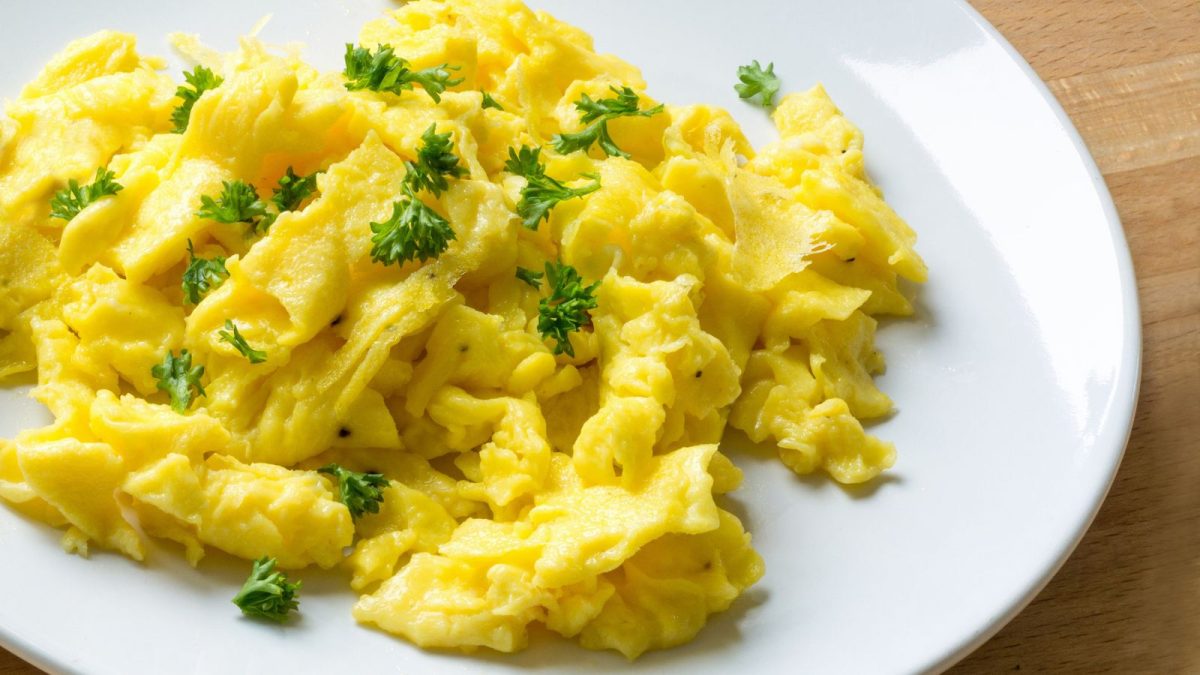
Cottage cheese might not be the first ingredient you think of when making breakfast, but it makes a surprisingly good addition to scrambled eggs.
Unlike milk, cottage cheese brings soft curds and a creamy consistency to the mixture. As the eggs cook, the cheese blends into the dish, creating a richer texture. Its flavor is relatively mild, so it does not overpower the natural taste of the eggs.
How the cheese is incorporated also makes a difference. When stirred directly into the eggs, it can leave small, soft curds throughout the finished dish. For anyone who prefers a smoother consistency, blending the cottage cheese with the raw eggs before cooking is another option.
The result is a familiar breakfast with a slightly different texture and a gentle cheesy taste. It is a simple way to change up an everyday meal without introducing a long list of unfamiliar ingredients.
The Secret Is Getting the Right Amount
Adding cottage cheese does not mean filling your frying pan with it. A modest amount is enough to experiment with the texture and flavor.
Allrecipes uses one-quarter cup of cottage cheese with four large eggs. Daisy’s version uses half a cup for the same number of eggs, while Simply Recipes uses two tablespoons with three eggs.
These different measurements show that there is no single required ratio. However, starting with approximately one tablespoon per egg is a practical approach if you are trying the combination for the first time.
You can adjust the quantity depending on how noticeable you want the cheese to be. A smaller amount adds subtlety, while a larger portion makes cottage cheese a more prominent part of the dish.
The key is to find a balance that suits your taste, rather than assuming more cheese automatically means better scrambled eggs.
Blending Versus Leaving the Curds
One interesting thing about cottage cheese is that it gives you some control over the final texture.
Some people enjoy the small curds because they add a little character to the eggs. Others prefer smooth scrambled eggs, with no noticeable pieces of cheese.
Both preferences are easy to accommodate. Blending cottage cheese with the eggs before cooking creates a more uniform mixture. This helps distribute the cheese throughout the eggs and makes the curds less noticeable.
Alternatively, adding the cottage cheese while the eggs are already cooking allows more of its original texture to remain.
Daisy and U.S. Dairy both feature approaches that involve blending or using cottage cheese directly from the container. Good Housekeeping also describes different ways to incorporate it, depending on the texture someone prefers.
There is no need to turn breakfast into a complicated kitchen experiment. The difference is simply whether you want a smoother finish or small pockets of creamy cheese.
Not Every Tub Costs the Same
For anyone interested in trying this idea, cottage cheese is available in different varieties and package sizes at American grocery stores.
Daisy Brand Cottage Cheese 4% is one example. Its 16-ounce container was listed at $3.99 at Target when checked on November 19, 2026. The brand also publishes a scrambled egg recipe featuring cottage cheese.
Good Culture Classic 4% Milkfat Simply Cottage Cheese is another option. Its 16-ounce container was listed at $4.29 at Target. The product information identifies it as a 4% milkfat variety.
For shoppers interested in a larger container, Good & Gather 4% Milkfat Small Curd Cottage Cheese comes in a 24-ounce package. Target listed it at $2.99 when checked.
These prices are retailer-specific examples, not fixed prices across the United States. They vary by location and availability.
There is also no need to assume that the most expensive container will produce the best scrambled eggs. The available product information does not establish a winning brand through a side-by-side cooking comparison. A plain, small-curd cottage cheese is a sensible place to start.
Cottage Cheese Brings More Than Creaminess
Cottage cheese’s appeal isn’t limited to its texture. It also contributes protein to the finished dish.
For example, Good Culture Classic lists 14 grams of protein per half-cup serving. Using one-quarter cup in a batch of scrambled eggs contributes approximately seven grams of protein from the cottage cheese alone. That amount is based on the cheese contribution, not the total protein in the finished breakfast.
Another detail worth remembering: cottage cheese contains sodium. Good Culture Classic lists 380 milligrams per half-cup serving. Since the cheese already contributes some saltiness, it makes sense to taste the finished eggs before adding more salt.
And despite the headline, cottage cheese is still a dairy product. The idea is to avoid adding a separate splash of milk or cream, not to make a dairy-free breakfast.
A Little Patience Makes a Difference
The cooking process matters just as much as the ingredient itself. One mistake worth avoiding is using excessive heat for too long.
Allrecipes notes that prolonged high heat can cause the whey in cottage cheese to separate, potentially leaving the eggs watery. Keeping the cooking temperature moderate and allowing the eggs to come together gradually can help preserve the intended creamy texture.
Remember that cottage cheese doesn’t behave the same way in every recipe. The final result depends partly on the amount used and whether you blend it or fold it into the eggs. That is why experimenting with a small quantity first is a sensible approach.
The Simple Ingredient Worth Giving a Chance
Sometimes, making an everyday breakfast more interesting does not require a complicated recipe or an expensive shopping trip. Cottage cheese offers a simple way to give scrambled eggs a creamy texture and a mild cheesy flavor without adding milk or cream separately.
It may not replace everyone’s favorite scrambled egg method, but it’s a worthwhile alternative to try. The next time you reach for eggs in the morning, that little tub of cottage cheese in the refrigerator might deserve a place on the breakfast table.