9 Things You Should Never Store in Your Garage in Winter
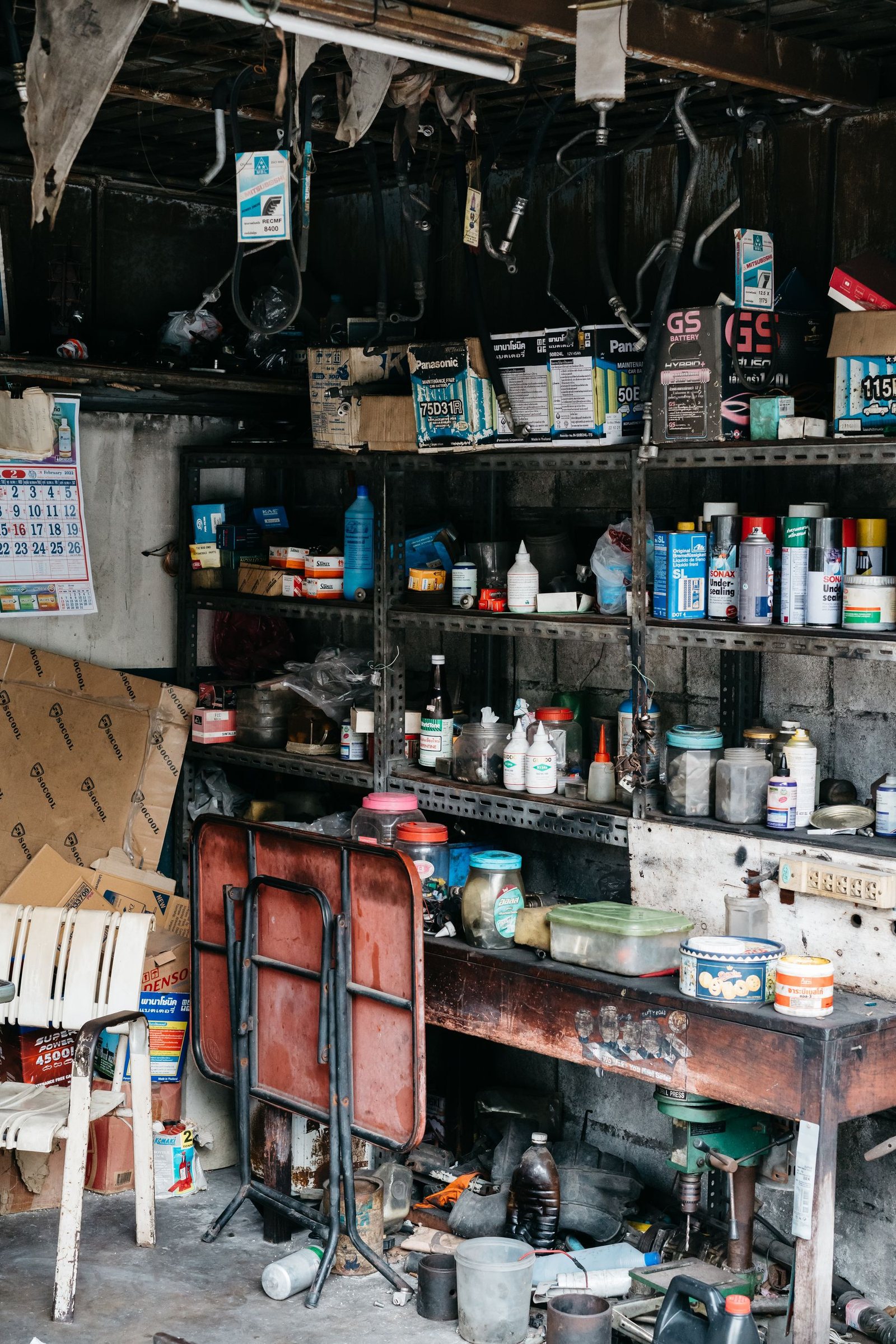
The garage is the catch-all of the American home. It holds the half-used paint, the extra case of soda, the old laptop and the boxes nobody has opened since the last move. That works fine in spring and fall, but winter changes the rules.
Most garages are not heated or insulated, so they swing between freezing nights, damp thaws and dry, frigid air. Before the next cold snap, move these nine things somewhere warmer: paint, canned goods, propane tanks, drinks, electronics, pet food and birdseed, important papers and photos, liquid household products, and anything stored in cardboard boxes.
1. Latex Paint
Leftover paint is one of the most common things people stash in the garage, and one of the easiest to ruin. Benjamin Moore recommends storing paint between 60 and 80 degrees Fahrenheit and specifically warns garage owners to make sure it does not freeze.
Water-based paint that freezes can turn lumpy or stringy and may never mix smoothly again. Move the cans to a basement shelf or a closet, and keep a list of colors so touch-ups are easy. It is one of the simplest steps on any list of things homeowners should handle before the first freeze.
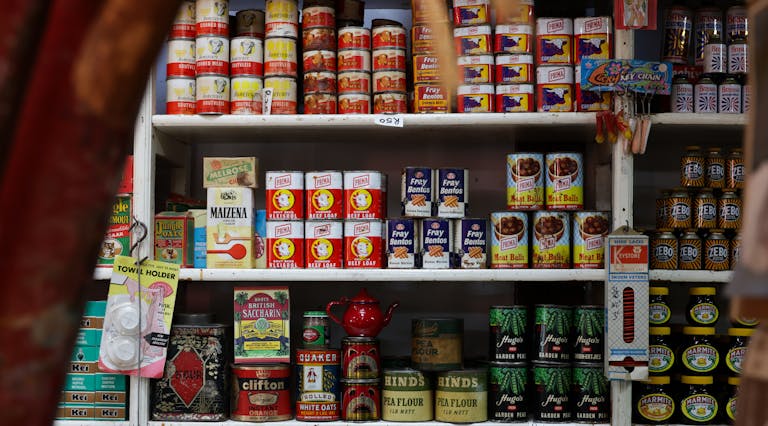
2. Canned Goods
That overflow pantry shelf in the garage is convenient, but cans do best in steady conditions. North Dakota State University Extension advises keeping canned and packaged foods in a cool, dry place and away from spots exposed to high or low temperature extremes.
Freezing can push lids and seams out of shape, and damp garage air can cause rust on the outside of cans. Keep the extras in a pantry, a hall closet or under a bed instead.
3. Propane Tanks
It is tempting to roll the grill tank into the garage for the winter, but that is exactly what propane suppliers say not to do. Ferrellgas says to never store cylinders in enclosed or poorly ventilated spaces, including garages, sheds and basements, and to keep them outdoors in a well-ventilated area instead.
Set the tank upright outside, away from doors and windows, and follow the guidance from your propane supplier. Many people store the grill cover and tools in the garage while the tank stays outside, along with a few other outdoor items like the garden hose, which belongs on a reel after you put your hose away for winter.
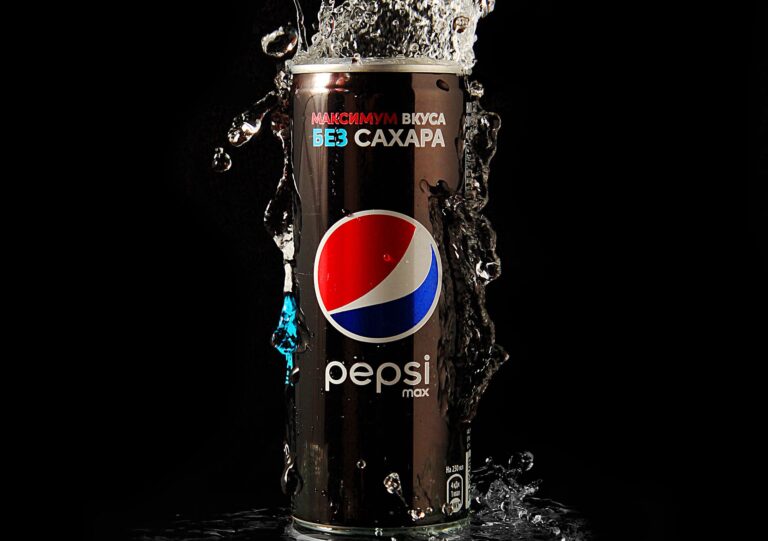
4. Soda, Beer and Wine
Liquids expand as they freeze, and cans and glass bottles do not have much room to spare. A single cold night can leave you with a sticky mess of split cans or a cracked wine bottle.
Bring drinks inside or keep them in an insulated cooler in the house. If you stock up for holiday parties, a cool basement or spare closet works much better than the garage. The same freezing problem applies to gear that holds water, which is why it pays to store your pressure washer the right way before the first freeze.
5. Electronics
Old laptops, spare TVs, printers and game consoles often end up in garage storage. Cold alone is not always the problem. Condensation is. When cold electronics are brought into a warm room, moisture can form inside, and garages also get damp during thaws.
Manufacturers list storage temperature ranges in their manuals, and many garages dip below them in January. Store electronics in a closet inside the house, ideally in their original boxes.
6. Pet Food and Birdseed
When it gets cold, mice and other critters look for a warm, sheltered spot with a food supply. A bag of kibble or birdseed in the garage is basically a welcome sign.
If you must keep pet food or seed in the garage, use a sealed metal or heavy plastic bin. Better yet, move it indoors. The same goes for anything pests love, which is why it pays to know the things never to do with a winter firewood pile, too. A simple bin-and-shelf setup, like the ones in these DIY projects that make life easier, keeps everything off the floor and out of reach.
7. Important Papers and Family Photos
Tax records, birth certificates and old photo albums do not belong in a damp garage. Moisture and temperature swings can cause mildew, curling and stuck-together pages, and a box on the floor is easy to forget about until it is too late.
Keep vital papers in a fireproof, waterproof box inside the house. You can also scan important documents and photos so you have digital backups.
8. Liquid Cleaners, Glue and Caulk
Many household liquids are water-based, which means they can freeze. Laundry detergent, some cleaning sprays, wood glue, latex caulk and adhesives can separate or stop working after a hard freeze. Check the label, since many list a storage temperature, and move anything that says “protect from freezing” indoors.
9. Anything in Cardboard Boxes
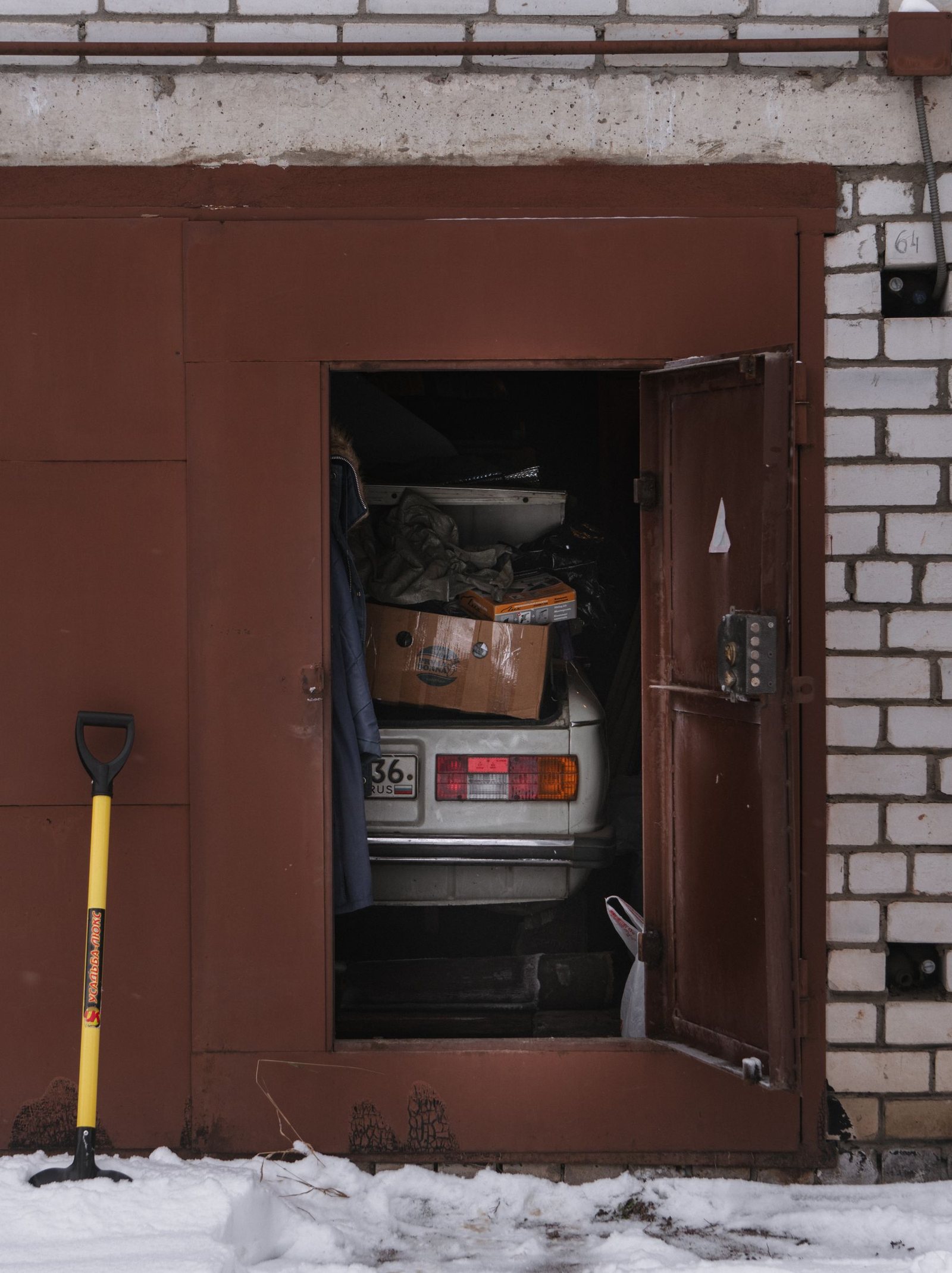
Cardboard soaks up moisture, sags and attracts pests looking for nesting material. Holiday decorations, spare bedding, clothes and keepsakes are better off in sealed plastic bins, ideally inside the house or up on shelves rather than on the cold concrete floor. Label each bin so you can find the wreath without opening every lid.
A Quick Winter Garage Checklist
- Move paint, canned goods, drinks and liquid products indoors.
- Keep propane tanks outside, upright and in a ventilated spot.
- Store electronics, papers and photos in the house.
- Seal pet food and birdseed in metal or heavy plastic bins.
- Swap cardboard boxes for lidded plastic bins on shelves.
A few minutes of shuffling now can save you a lot of money and frustration come spring. Your garage can still hold the snow shovels, the rakes and the holiday lights, just not the things that cannot handle the cold.