Costco Is Selling Out of Generators as Shoppers Stock Up After a Week of Tech Outages
Costco shoppers have been filling their carts with a lot more than holiday turkeys and pumpkin pies this month. According to a new report from Mizuho Securities, Americans have been rushing to buy backup generators, bottled water, rice, canned goods and batteries after a string of high-profile technology failures left many people uneasy.
The numbers are striking. As of Sunday night, November 15, 21 of the 26 higher-priced generators listed on Costco’s website were sold out, including whole-home backup systems priced at close to $7,000. Analysts say the wave of emergency shopping is one reason Costco is on pace for some of its strongest U.S. sales growth in years. Here’s what’s behind the rush, what officials are saying and what shoppers should know before they join it.
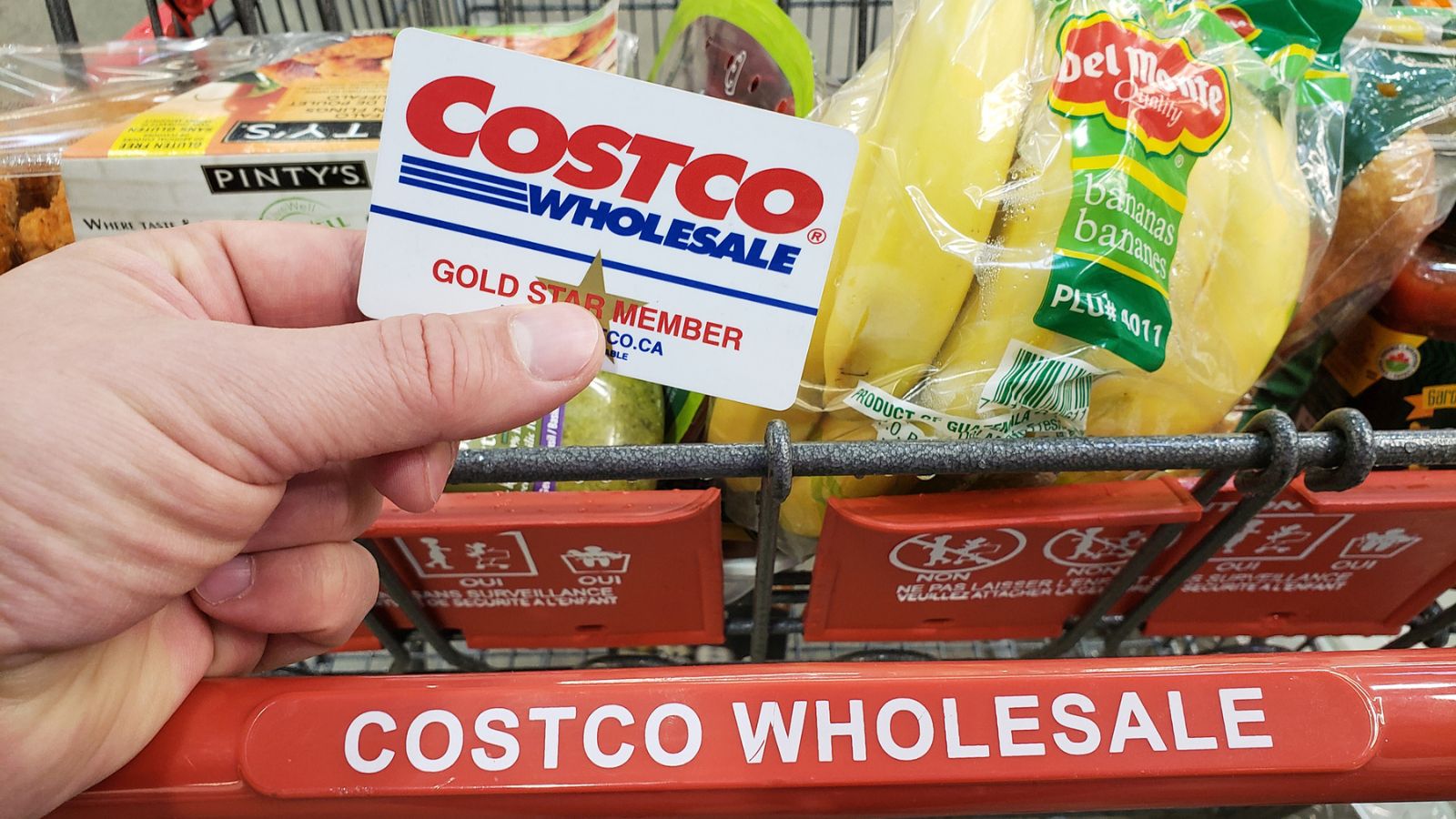
What Mizuho Found at Costco
Mizuho analyst David Bellinger told investors that a series of disruptions has sparked a surge in emergency preparedness shopping at the warehouse chain. As Fox Business reported, he pointed to “consumer anxiety following the Microsoft Outlook outage, the ground stoppage for all U.S. airline flights, and apocalyptic concerns flaring up across social media.”
The generator shelves on Costco’s website emptied first, but they weren’t the only thing moving. Shoppers have also been “pantry-loading,” a retail term for stocking up on large amounts of nonperishable food and household basics. Mizuho estimated that Costco’s U.S. sales growth jumped to between 11% and 12% in late October and stayed strong into November, a pace the company hasn’t seen since mid-2022.
The Outages That Set Off the Worry
The shopping surge follows a run of tech problems that touched millions of Americans in a short span. On November 12, a software bug in Microsoft’s systems disrupted Outlook email, calendars and meeting invitations around the world. A Microsoft executive apologized publicly for the disruption.
The very next day, a technical issue linked to router installations at the Federal Aviation Administration forced a nationwide ground stop of flights. The FAA said airlines canceled roughly 12,462 flights as a result. United Airlines had its own separate technology problem, and JPMorgan Chase customers ran into a software issue that slowed some banking services earlier this week.
Officials Say the Problems Aren’t Connected
With so many failures in such a short time, social media quickly filled with theories that something bigger was going on. Some posts claimed the outages were part of a coordinated cyberattack, and others urged people to stock up before a wider breakdown.
So far, there’s no evidence to support those claims. ConsumerAffairs reported that Secretary of State Marco Rubio said there was no evidence the recent outages were connected. The companies involved have blamed software bugs, maintenance and technical changes, not a malicious attack. JPMorgan also said the slowdown on its end came from a software bug.
What Costco Itself Has Said
Costco’s chief financial officer, Gary Millerchip, acknowledged the stronger demand in comments to Bloomberg, according to ConsumerAffairs. He said the retailer noticed increased purchases of rice, canned goods, water, paper products, generators and batteries toward the end of October. He also noted that the buying appeared to be influenced by concerns spreading on social media.
Not all of Costco’s sales growth comes from worried shoppers, though. The holiday season is already underway, and many families are stocking up for big gatherings and looking for bulk deals on everyday items. Analysts say both trends are likely playing a role in the warehouse club’s strong numbers this month.
Walmart, Sam’s Club and Home Improvement Stores Could See It Too
Mizuho believes Costco won’t be the only retailer to benefit. The firm said Walmart and Sam’s Club are also likely to see a boost from shoppers buying extra groceries and household necessities. Home Depot and Lowe’s could see more demand for generators and other emergency equipment as well.
For shoppers, that may mean some items are harder to find in certain stores over the next few weeks. Popular generator models, large cases of water and bulk rice could sell out faster than usual, especially in areas where social media posts have spread widely. Store shelves are generally being restocked, but availability can vary by location.
How Much Emergency Food Is Actually Recommended
Being prepared is a reasonable goal, and it doesn’t require buying a $7,000 generator. The federal government’s Ready.gov site suggests a basic emergency kit with water, nonperishable food, a flashlight, a battery-powered or hand-crank radio, extra batteries, a first aid kit and any important medications. Its general guideline is at least one gallon of water per person per day for several days.
That kind of kit can be built slowly, a few items at a time, without emptying store shelves or a family’s budget. Many families already have much of it on hand. Keeping some pantry staples stocked has long been common advice, especially before winter storm season.
A Word of Caution About Generators
Anyone buying a generator for the first time should understand the safety rules before using it. Portable gas-powered generators give off carbon monoxide, which can be deadly in an enclosed space. The Consumer Product Safety Commission warns that they should only be used outdoors, far away from doors, windows and vents.
Generators should never be run inside a home, garage, basement or crawl space, even with a door open. A battery-operated carbon monoxide alarm inside the home adds another layer of protection. Many generator-related deaths happen during winter power outages, when people bring units closer to the house to stay warm.
Why People Panic-Buy in the First Place
Panic buying isn’t new. Americans saw it during the early days of the pandemic, before hurricanes and ahead of major snowstorms. When people see empty shelves or hear that others are stocking up, they often worry they’ll miss out if they wait.
Social media can make that feeling spread much faster. A single video showing a sold-out generator display or a cart full of water can reach millions of viewers in a day. That kind of attention can turn a small uptick in shopping into a much bigger rush, even when there’s no new threat.
What Shoppers Should Keep in Mind
For most families, the best approach is steady preparation rather than a sudden spree. Buying a few extra cans of soup, a case of water and fresh batteries on regular trips adds up over time. It also leaves enough on the shelves for neighbors who may truly need those items.
The recent outages are a reminder that the systems people rely on every day can fail without warning. But according to officials, nothing so far suggests a bigger collapse is on the way. Keeping a modest emergency supply at home is sensible. Racing to the warehouse store because of a viral post usually isn’t.