10 Grocery Foods Retirees Say Aren’t Worth the Price Anymore
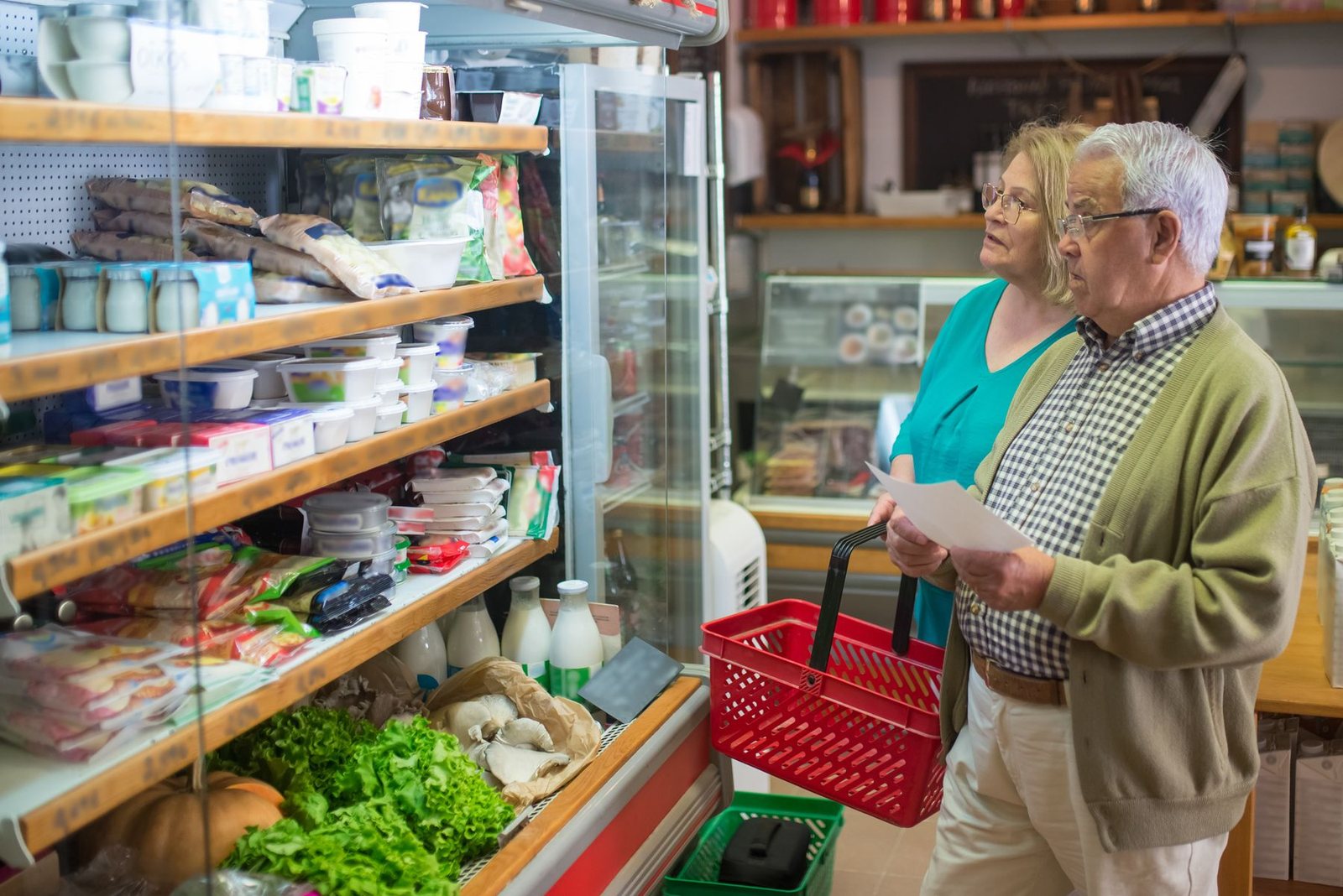
When you live on a fixed income, every trip down the grocery aisle turns into a little math test. Retirees have watched the prices of some favorites climb year after year, and many have decided certain items simply are not worth it anymore.
Here are 10 foods older shoppers say they now skip, buy less often or replace with something cheaper that tastes just as good.
1. Premium Steaks
Beef has been one of the biggest sticker shocks at the meat counter. A Purdue University analysis found retail beef prices rose about 16% from September 2024 to September 2025, with cattle herds at their smallest in decades. Many retirees now save ribeyes for birthdays and buy chuck roasts or ground beef for everyday meals.
2. Single-Serve Coffee Pods
Coffee prices have been bumpy thanks to crop problems in Brazil and Vietnam, and pods are the priciest way to brew it. Plenty of older coffee drinkers have gone back to a basic drip machine and a big can of ground coffee, which costs a fraction of the price per cup. It is one of those things nobody tells you about retirement: small daily habits add up fast.
3. Name-Brand Cereal
A big box of brand-name cereal can cost more than a pound of chicken. Retirees say the store-brand versions taste nearly identical, and many have switched to old-fashioned oats, which go further and work for breakfast all week. Smart swaps like that show up on these lists of things shoppers over 60 refuse to pay full price for.
4. Bagged Salad Kits
Salad kits are convenient, but you pay a lot for a few cups of chopped lettuce and a packet of dressing. Older shoppers say a whole head of romaine and a homemade vinaigrette make more salad for less money, and the lettuce often keeps better too. Add a handful of shredded carrots or leftover chicken, and a simple side salad turns into lunch for two.
5. Candy and Chocolate Treats
Sweets have been climbing fast. According to Food Dive’s report on USDA forecasts, prices for sugar and sweets were projected to rise 6.7% in 2026, well above their usual pace. Many retirees now bake a batch of cookies instead of buying boxed chocolates, and humble homemade treats are a big part of these budget foods that even wealthy people eat.
6. Pre-Cut Fruit and Vegetables
Those plastic cups of cut melon and trays of veggie sticks can cost two or three times more than the whole produce. Retirees say a few minutes with a good knife is a fair trade. Just keep cutting boards clean and avoid the kitchen mistakes that make cooks cringe, like dull knives and crowded counters.
The same thinking carries into the holidays, which is why so many older shoppers have trimmed these things retirees quietly stopped buying for Christmas.
7. Bottled Water
Cases of bottled water are heavy to haul and add up over a month. Many retirees have switched to a pitcher filter and a few reusable bottles. It saves money, saves trips and saves space in the pantry.
8. Deli Meat From the Counter
Sliced turkey and ham from the deli counter can run well past $10 a pound. Older cooks say roasting a turkey breast or a small ham on Sunday gives them sandwich meat for most of the week at a much lower cost per pound.
9. Specialty Snack Chips
Fancy kettle chips and veggie crisps come in big bags that are mostly air. Retirees say store-brand pretzels or a pot of stovetop popcorn scratch the same itch for less. A bag of popcorn kernels lasts for weeks.
10. Frozen Dinners for One
Single-serve frozen meals look cheap until you add up a week’s worth. Many older shoppers now cook a pot of soup, chili or casserole, portion it into containers and freeze their own. It tastes like home and costs far less per meal.
Cooking in batches also cuts down on waste, which matters when you are shopping for one or two. Label each container with the date so the oldest meals get eaten first, and you will rarely have to toss forgotten leftovers at the back of the freezer.
Not every price is climbing, of course. USDA forecasters expected egg prices to fall sharply in 2026, which is good news for anyone who loves a simple breakfast. The real lesson from retirees is to pay attention, swap when it makes sense and save the splurges for the foods that truly feel special.