9 Things You Should Never Store Above the Fridge
That flat spot on top of the refrigerator is one of the most tempting pieces of real estate in the kitchen. So it fills up with bread, wine, cereal boxes, the air fryer and that stack of takeout menus nobody reads.
The catch is that the top of the fridge is warmer and shakier than it looks. A refrigerator works by pulling heat out of its interior and releasing it into the room, and its motor hums along all day. That makes the space up there a poor match for anything that prefers cool, still, dark storage, and it can crowd the appliance itself.
1. Cooking Oils
Oils are near the top of the “please move me” list. Penn State Extension advises keeping oils in a cool, dark place and notes that opened vegetable oil keeps its best quality for roughly one to six months. Nut and seed oils such as walnut, sesame and hazelnut turn rancid even faster, and steady warmth speeds that along.
A lower cabinet away from the stove is a better home, and those pricey specialty oils can go in the refrigerator itself. If they turn cloudy, Penn State says they usually clear again at room temperature. Keeping oil near the heat is one of those small habits that shows up on lists of kitchen mistakes we are all a little guilty of.
2. Spices and Dried Herbs
Spices lose their color and aroma when they sit somewhere warm. The same Penn State guidance recommends airtight containers in a dry place away from sunlight and heat, and it specifically warns that a spice rack above the stove “quickly reduces the quality of those flavorings.” The top of the fridge is a milder version of the same problem.
Give ground spices a sniff after about six months. If the aroma has faded, so will the flavor in your chili.
3. Wine
Wine racks on top of refrigerators are practically a kitchen design cliché, but wine professionals are not fans. In an interview with The Drinks Business, one expert said the top of the refrigerator “checks every box for bad wine storage.” Wine prefers about 55°F, and even a few degrees warmer can push it toward flat, cooked flavors.
Vibration from the motor and bright kitchen light do not help either. A closet shelf or small wine fridge is kinder.
4. Bread
Bread seems like a natural fit up there, especially if your counter is crowded. But appliance experts quoted by Tom’s Guide say the warmth makes bread go stale faster. A bread box on the counter or a cool pantry shelf usually keeps a loaf nicer for longer, and the freezer is the move for anything you will not finish in a few days.
If counter space is the real issue, a few simple DIY projects like a pull-out shelf or a wall rack can free up a better spot.
5. Flour and Baking Supplies
Flour, baking powder, baking soda and yeast all do best somewhere cool and dry. Penn State Extension says to keep flour in airtight containers away from warm places, and to refrigerate whole wheat flour year-round because it turns rancid quickly. If you bake a lot, like when you are working on a perfect honey cake, it pays to keep these staples fresh. It is the same thinking behind keeping certain things off display, as in these items that shouldn’t live on the kitchen counter, and choosing the right spot inside the appliance too, like the foods that don’t belong in the refrigerator door.
6. Canned Goods and Pantry Overflow
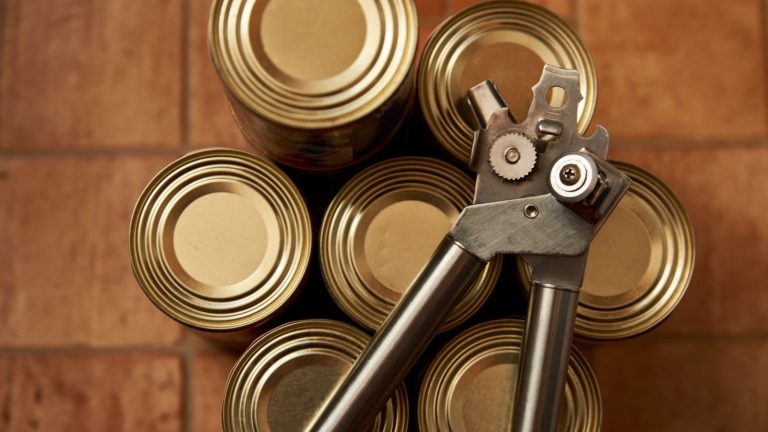
When the pantry is full, extra cans often migrate upward. The USDA Food Safety and Inspection Service recommends storing canned and other shelf-stable foods in a cool, dry place, ideally below 85°F, and away from stoves and other heat sources. The agency also notes that canned foods slowly change in taste and texture over time, so warm storage is not doing them any favors.
Heavy cans add weight to a spot that was not designed as a shelf, too. Follow USDA guidance and keep them in a cupboard, rotating older cans to the front.
7. Chocolate and the Candy Stash
Hiding the candy up high is a time-honored parenting tactic, but chocolate is sensitive to warmth. It can soften, and when it cools again it may develop a dusty white “bloom” on the surface. A cool cupboard keeps holiday treats looking their best.
8. Small Appliances
Toaster ovens, air fryers and microwaves often get parked on top of the fridge to save counter space. Experts told Tom’s Guide that heat from the refrigerator and poor ventilation can make these appliances run hot, and that heavy items can block the airflow the fridge needs to stay cool. KitchenAid’s installation guidance calls for a small gap at the top and sides for ventilation and recommends keeping the fridge away from other heat sources, since extra heat makes it run longer.
9. Paper Goods, Cookbooks and Cleaning Supplies
Paper towels, cookbooks and cloth bags pile up easily, but appliance makers quoted by Tom’s Guide say flammable items do not belong near heat sources. Cleaning products are a poor fit too: warmth can make volatile chemicals evaporate, and a leak could drip down onto the appliance. Keep cleaners in a separate cabinet away from food.
So what can go up there? Designers suggest light, rarely used items in matching baskets, like a holiday platter or the turkey roasting rack, as long as nothing blocks the ventilation gap. A quick clear-out this weekend will leave your oils fresher, your spices brighter and your fridge breathing a little easier.