7 Grocery Coupons Boomers Clipped Every Sunday Morning
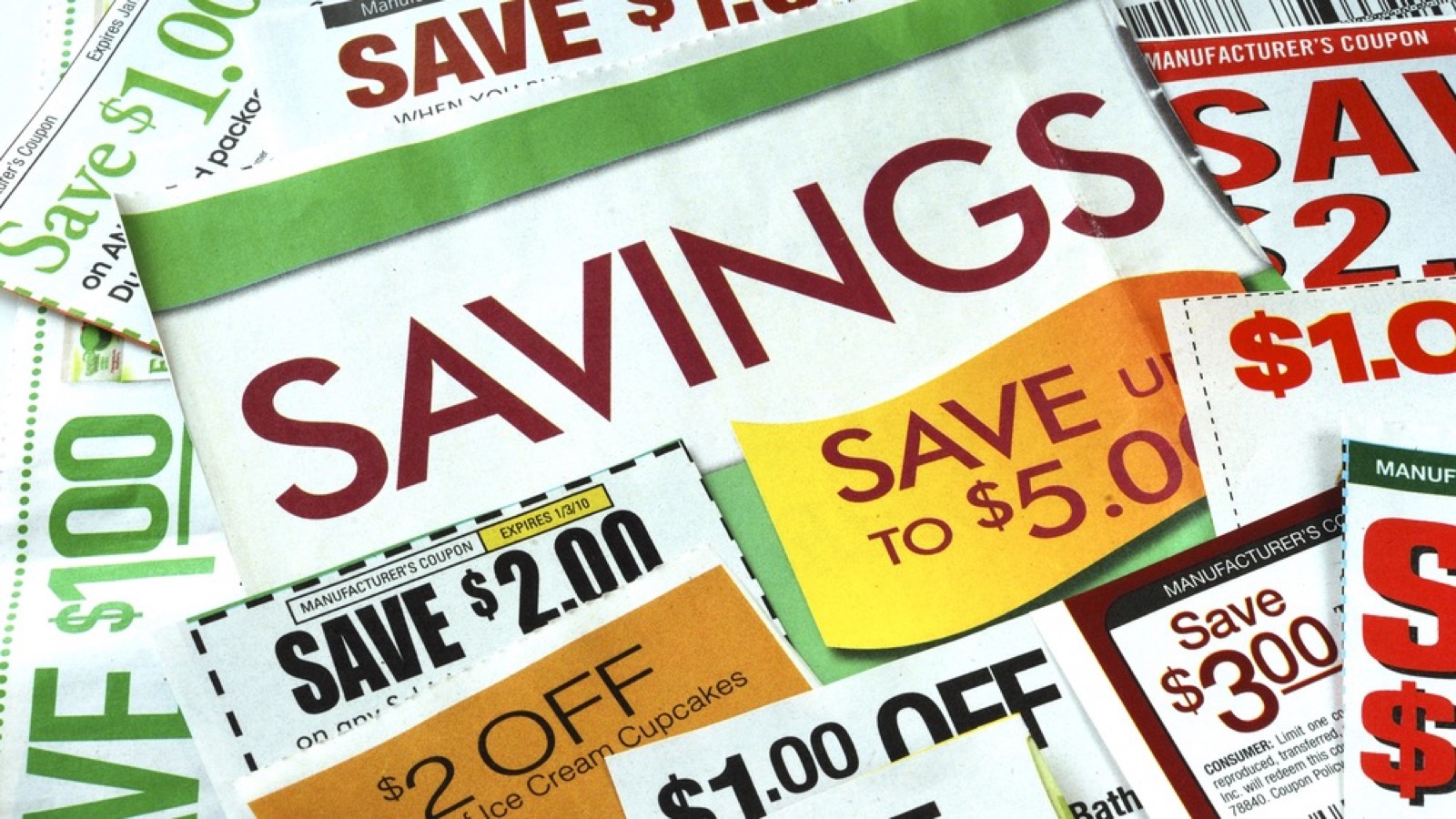
For many boomer families, Sunday morning had a ritual that had nothing to do with church or pancakes. The thick Sunday newspaper landed on the porch, and before anyone read the comics or the sports page, Mom pulled out the glossy coupon inserts. Armed with a pair of scissors, a cup of coffee and a little accordion file, she spent the next hour clipping her way to a cheaper grocery bill.
Couponing was serious business in the 1970s and 1980s. Food prices rose sharply during those years, and a stack of coupons could make a real difference for a family on a tight budget. Kids often helped cut along the dotted lines, learning early lessons about saving money. Here are seven grocery coupons boomers clipped every Sunday morning, and why the memory still makes so many people smile.
1. Cents-Off Coupons for Breakfast Cereal
Breakfast cereal coupons were among the most common in the Sunday paper. Brands competed fiercely for shelf space and loyalty, so they offered 10, 15 or 25 cents off a box of corn flakes, raisin bran or sugary kids’ cereals. Families with several children went through cereal quickly, so these coupons got clipped every single week.
Kids often begged their moms to clip coupons for the cereals with the best prizes inside. A coupon could be the deciding factor between the brand Mom wanted and the one with cartoon characters on the box. For many boomers, cereal coupons are a reminder of crowded breakfast tables and toy surprises at the bottom of the box.
2. Coffee Coupons Worth Real Money
Coffee was a household staple in boomer homes, and it wasn’t cheap, especially after prices spiked in the late 1970s. Coffee coupons were some of the most valuable in the paper, sometimes offering 40 or 50 cents off a big can. Moms who drank coffee all day were especially happy to see them.
Brands like Folgers and Maxwell House ran frequent promotions, and loyal coffee drinkers often stuck with whichever brand had the best coupon that week. Some families stocked up when a good deal came along, filling the pantry with cans. The smell of fresh coffee and the snip of scissors went together on many Sunday mornings.
3. Laundry Detergent and Household Cleaners
Couponing wasn’t just about food. Moms clipped coupons for laundry detergent, dish soap, floor cleaner and bleach, all items that families used constantly. With big families and lots of dirty clothes, detergent was a major expense, so a good coupon could save a noticeable amount over a month.
Some detergent boxes came with free gifts inside, like towels or drinking glasses, which made certain brands even more appealing. Combining a coupon with a sale price felt like a small victory. Many boomers still remember their mothers comparing prices in the cleaning aisle with a stack of coupons in hand.
4. Canned Soup and Vegetables
Canned goods were the backbone of many boomer pantries. Coupons for soups, canned vegetables, tomato sauce and fruit cocktail showed up regularly in the Sunday inserts. Moms used them to stock up on items that could become quick weeknight dinners or emergency meals.
A good coupon on canned soup could mean buying several cans at once, especially during cold months. Casseroles, stews and quick lunches often started with a can or two from the pantry. These coupons helped families stretch their budgets while keeping the shelves full, and many boomers still keep a well-stocked pantry today.
5. Name-Brand Snacks and Cookies
Snack coupons were a treat for the whole family. Moms might clip coupons for cookies, crackers, chips or snack cakes, especially when they were planning lunches or a party. Kids paid close attention to these and lobbied hard for their favorites.
Some snack coupons offered “buy one, get one free” deals, which felt like a jackpot. Others offered a small discount that made name brands more affordable than they would otherwise be. Many boomers remember the excitement of finding a coupon for their favorite cookie and seeing it end up in their lunchbox that week.
6. Frozen Dinners and Convenience Foods
As more mothers went back to work in the 1970s and 1980s, convenience foods became more popular. Coupons for frozen dinners, boxed macaroni and cheese, instant mashed potatoes and frozen vegetables helped busy families save time and money. These foods weren’t as cheap as cooking from scratch, so coupons made them easier to justify.
Frozen TV dinners were a special treat for many kids, often eaten in front of the television on a Friday night. A coupon could turn that occasional splurge into a regular part of the week. Boomers remember the foil trays, the compartments for each food and the joy of a coupon that made it possible.
7. Double Coupon Days
Some of the most exciting coupons weren’t for a single product at all. Many grocery stores ran “double coupon” days, when the store would double the value of manufacturer coupons up to a certain amount. A 25-cent coupon suddenly became worth 50 cents, and smart shoppers planned their trips around these days.
Stores advertised double coupon promotions in the Sunday paper alongside their weekly sales flyers. Moms would carefully match coupons to sale items to get the biggest savings possible. Some even shopped at more than one store to take advantage of different deals. Many people who grew up with this say their mothers were the original extreme couponers.
Teaching Kids to Save
For many boomer children, helping Mom clip coupons was their first lesson in money. They learned to compare prices, look for deals and understand that small savings add up. Some grown children say they still feel a thrill when they find a good coupon, thanks to those Sunday mornings.
Why the Sunday Coupon Ritual Mattered
For boomer families, clipping coupons wasn’t just about saving money. It was a weekly routine that brought a sense of control during years when prices kept climbing. Moms took pride in how much they saved, and some kept a running tally of their weekly savings on the back of the receipt.
Couponing has changed a lot since then. Paper inserts are thinner, and many deals now come through store apps and digital loyalty programs. According to Valassis, which has tracked coupon trends for years, shoppers still use coupons, but how they find them looks very different. For boomers, though, nothing replaces the memory of scissors, coffee and a stack of Sunday coupons spread across the kitchen table.