7 Old Restaurant Rules Diners Followed Without Thinking
Eating out used to come with its own set of unwritten rules. In the 1950s, 1960s and 1970s, people dressed up for dinner, waited patiently to be seated and followed customs that everyone simply understood. Going to a restaurant was often a special occasion, and diners treated it that way.
Many of those rules have faded as restaurants have become more casual and dining habits have changed. Some were about manners, others about money, and a few were simply about the way things were done at the time. Here are some old restaurant rules diners followed without thinking, many of which would surprise younger people today.
1. Dressing Up to Eat Out
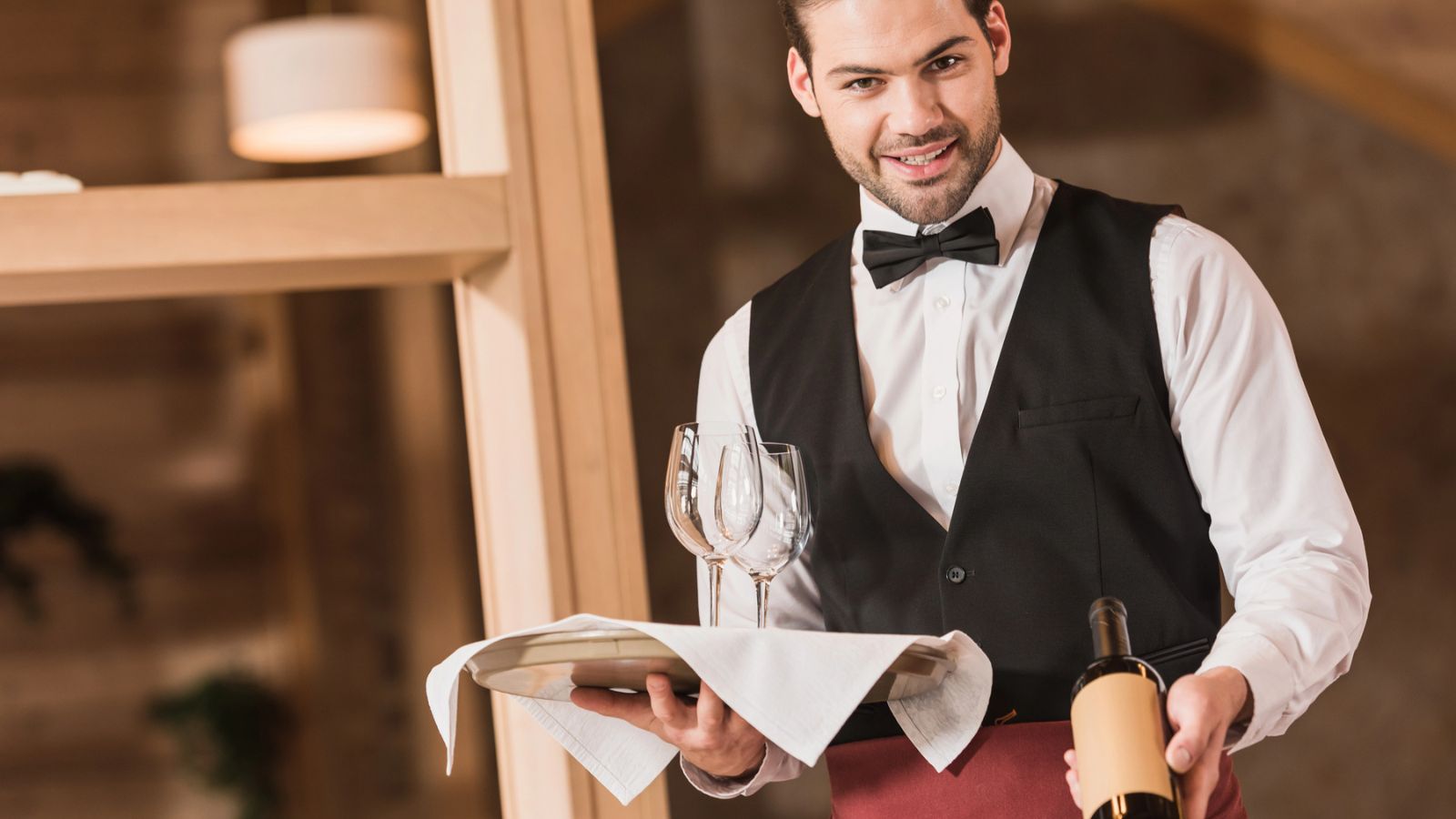
In earlier decades, going out to eat was an event, and people dressed for it. Men often wore jackets and ties, and women wore dresses, stockings and sometimes hats or gloves. Even casual family restaurants saw diners in their Sunday best.
Many fine dining restaurants once required men to wear jackets, and some even kept spare jackets at the door for guests who forgot. Today, most restaurants have relaxed dress codes, and jeans are welcome almost everywhere. Older diners often remember how special it felt to dress up for a night out, and some still prefer to put on nice clothes when they go to a restaurant.
2. Waiting to Be Seated, No Matter What
In the past, diners never seated themselves at a restaurant unless a sign said it was allowed. They waited at the entrance for a host or hostess to lead them to a table. Walking straight to an empty table would have been considered rude.
This rule still exists in many sit-down restaurants, but more casual places now let customers seat themselves. Fast-casual restaurants, where people order at a counter, have also changed expectations. Older diners often notice younger customers walking in and choosing a table without waiting, something that would have been unthinkable decades ago.
3. Ordering for the Table
In some restaurants, it was common for one person, usually the man, to order for the entire table. Women would tell their date or husband what they wanted, and he would place the order with the waiter. This was seen as polite and gentlemanly at the time.
Today, most people order for themselves, and the old custom can seem outdated. Some couples still enjoy the tradition for nostalgic reasons, but it is no longer expected. Many younger diners are surprised to learn that this was once standard practice in fine restaurants.
4. Tipping 10 to 15 Percent
Tipping customs have changed significantly over the decades. In the mid-20th century, a tip of 10 to 15 percent was considered generous for good service. Many people left loose change or a dollar or two on the table.
Today, standard tipping in sit-down restaurants is often 18 to 20 percent or more, and tip screens at counters suggest tips even for quick service. Older diners sometimes find modern tipping expectations surprising. The changes have sparked plenty of debate about how much is appropriate, as reported in pieces about whether tipping has gone too far.
5. Smoking at the Table
For decades, smoking was allowed in most restaurants. Ashtrays sat on tables, and many diners lit cigarettes after their meal or even between courses. Some restaurants had smoking and nonsmoking sections, though the smoke often drifted everywhere.
Smoking bans began spreading in the 1990s and 2000s, and today most states and cities ban smoking in restaurants. The CDC has long warned about the effects of secondhand smoke, which helped drive those changes. Younger people often find it hard to imagine a time when smoking at the dinner table was normal.
6. Keeping Elbows Off the Table
Table manners were taken seriously in restaurants. Diners were taught to keep their elbows off the table, place napkins on their laps and avoid talking with their mouths full. Using the wrong fork could be a source of embarrassment at a formal dinner.
While good manners are still valued, many of these rules have relaxed. Casual dining has made people less concerned about strict etiquette. Older generations often notice when younger diners put their phones on the table or forget to use their napkins. For many, good table manners are still a sign of respect for others at the table.
7. Paying in Cash
In earlier decades, most diners paid for their meals with cash. Credit cards were less common, and many restaurants did not accept them at all. People carried enough cash to cover the bill and the tip.
Today, credit cards, debit cards and mobile payments are the norm, and some restaurants no longer accept cash. Splitting the bill is also easier than ever with apps and card readers. Older diners often remember the ritual of counting out bills and coins at the end of a meal, a habit that has become increasingly rare.
Why These Rules Shaped a Generation
The old rules of dining out reflected a time when eating at a restaurant was a special treat for many families. People dressed up, followed proper manners and treated the experience with care. These customs were part of the social fabric of the time.
Many of these rules have changed, but some still have value. Waiting to be seated, practicing good table manners and treating staff with respect remain important today. For older generations, remembering these customs is a reminder of how much dining out has changed and how special it once felt to share a meal at a restaurant. Avoiding the classic dining blunders is still a good habit, whatever the decade.
How Restaurants Changed With the Times
As more women entered the workforce and families became busier, eating out became more common and more casual. Fast-food chains and family restaurants offered quicker, cheaper meals that did not require dressing up. Over time, even many sit-down restaurants relaxed their rules to welcome a wider range of diners.
The change made eating out easier and more affordable for many families. It also meant that some of the old rituals, like dressing up and waiting to be seated by a host in a jacket, slowly faded. Older diners often say they appreciate the convenience but miss some of the sense of occasion.
A Mix of Old and New
Today’s diners enjoy more freedom and flexibility than ever before. Casual dress, easy payment options and relaxed rules make eating out more accessible for many people. At the same time, some of the charm of the old dining experience has faded.
Many restaurants now try to recreate that old-fashioned feel, with classic menus, white tablecloths and attentive service. These places often attract diners who want to experience a bit of the past. Whether people prefer the old rules or the new freedom, the memories of dining out in earlier decades remain a cherished part of American life.