7 Kitchen Appliances That Were Supposed to Change Everything and Flopped
Every few years, a new kitchen gadget comes along promising to make cooking faster, easier and more fun. Television ads, department store demonstrations and glossy magazine spreads convinced millions of families that they needed the latest device. Some of those appliances became kitchen staples, like the microwave and the slow cooker.
Others, however, ended up in the back of a cabinet or at a garage sale. They were too complicated, too messy or simply not as useful as advertised. Here are some kitchen appliances that were supposed to change everything but ended up as flops for many households.
1. The Electric Knife
The electric knife became popular in the 1960s and 1970s, especially for carving holiday turkeys and roasts. It had two serrated blades that moved back and forth when plugged in, making slicing seem effortless. Many families received one as a wedding gift.
While some people still use electric knives, many found them noisy and awkward. They were often used only once or twice a year, mainly at Thanksgiving. Today, many electric knives sit unused in kitchen drawers, while home cooks rely on a good sharp knife instead. The electric knife was one of the gadgets that filled 1960s kitchens across the country.
2. The Bread Machine
Bread machines became a huge trend in the late 1980s and 1990s. They promised fresh homemade bread with almost no effort. Users simply added ingredients, pressed a button and woke up to the smell of warm bread.
At first, many families loved them. But over time, some found the loaves had an odd shape, with a hole in the bottom from the mixing paddle. Others got tired of the noise and the space the machine took up on the counter. Many bread machines ended up stored away, although they have enjoyed a small comeback in recent years.
3. The Fondue Pot
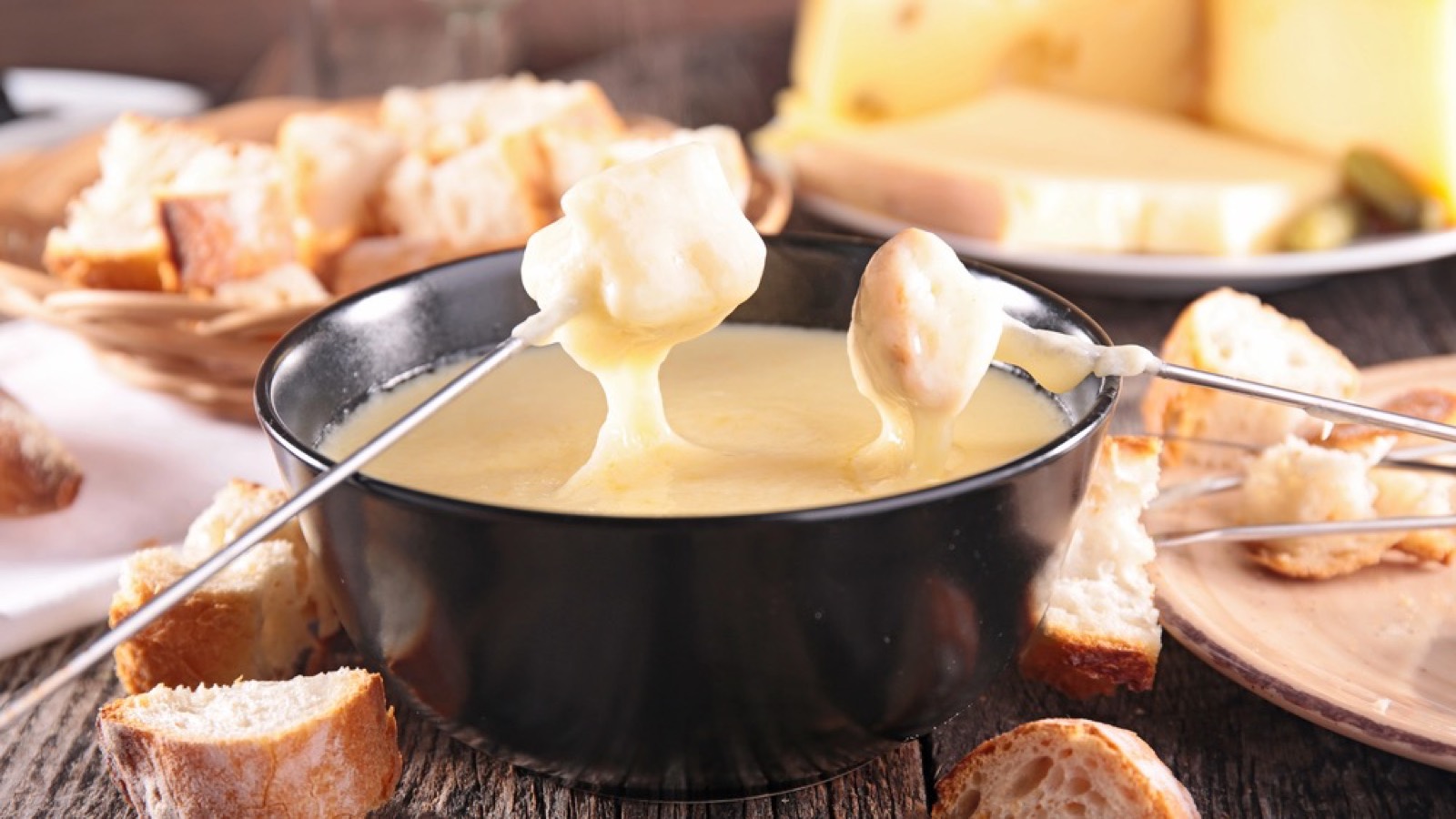
Fondue pots were a hit in the 1960s and 1970s, when fondue parties became a popular way to entertain. Guests dipped bread into melted cheese or fruit into melted chocolate using long forks. The fondue pot was a must-have for stylish hosts.
The trend faded by the 1980s, and many fondue pots ended up in basements and thrift stores. Some people found them messy and complicated to clean. While fondue is still enjoyed at some restaurants and special occasions, the fondue pot is no longer the centerpiece of home entertaining. The history of fondue itself goes back to Switzerland, long before it became an American party trend.
4. The Electric Egg Cooker
Electric egg cookers promised perfectly cooked eggs every time. Users added water, placed eggs in a special tray and let the machine do the work. Some models could poach, scramble or hard-boil eggs.
While egg cookers still have fans, many people found them unnecessary. Boiling eggs in a pot on the stove was just as easy for most cooks. The cookers also took up space and required extra cleaning. Many egg cookers were used a few times and then forgotten.
5. The Salad Shooter
The Salad Shooter was a handheld electric slicer that became popular in the late 1980s and early 1990s. It promised to slice and shred vegetables and cheese directly into a bowl. Television ads made it look fast and fun.
Some people loved the Salad Shooter, but others found it hard to aim and difficult to clean. Food sometimes flew in unexpected directions, leaving a mess on the counter. As food processors and pre-cut vegetables became more common, the Salad Shooter faded from many kitchens.
6. The Hot Dog Toaster
Hot dog toasters were small appliances designed to cook hot dogs and toast buns at the same time. They looked like regular toasters but had slots for hot dogs and buns. Kids especially loved the idea.
While they seemed fun, many families found hot dog toasters impractical. They could only cook a few hot dogs at a time, and cleaning the grease could be a chore. Most people went back to cooking hot dogs on the grill or stovetop. Today, hot dog toasters are often seen as quirky novelty items.
7. The Electric Can Opener With Extras
Electric can openers became common in the 1960s, and some models came with extra features like knife sharpeners and bottle openers. They promised to make opening cans quick and easy. Many kitchens had one mounted on the wall or sitting on the counter.
While electric can openers are still used today, many people switched back to manual can openers. Electric models could be bulky, noisy and prone to breaking. Many cans also now have pull-tab lids, making can openers less necessary. The fancy all-in-one models became less popular as kitchens moved toward simpler tools.
Why Some Appliances Fail
Many kitchen appliances fail because they solve problems people do not really have. Others are too complicated or take up too much space. Some are fun at first but lose their appeal once the novelty wears off.
The most successful appliances tend to save real time and effort, like microwaves, dishwashers and slow cookers. They become part of daily life rather than occasional use. Appliances that only work for one task or require extra cleanup often end up forgotten. Many people later sell these gadgets at garage sales or donate them to thrift stores.
Gadgets and Nostalgia
Today, many of these flopped appliances have become nostalgic collectibles. People find them at thrift stores, estate sales and online marketplaces. Some buy them for fun or to recreate the kitchen of their childhood.
Even if these appliances did not change everything, they tell an interesting story about how families cooked and entertained over the decades. They reflect the hopes and trends of their time, from fondue parties to homemade bread. For many people, seeing one of these gadgets brings back memories of family kitchens and holiday meals.
The Lesson for Today
Modern kitchens are full of new gadgets, from air fryers to smart ovens. Some will likely become essentials, while others may end up in the back of the cabinet. History shows that not every appliance lives up to the hype.
Before buying the latest kitchen gadget, many people ask whether they will really use it often. Choosing tools that fit everyday cooking habits can save money and kitchen space. Still, part of the fun of cooking is trying new things, even if some of them do not work out as planned.