Texas and Utah Hit by Deadly Flash Floods as Severe Storms Leave at Least 8 People Dead Across the U.S.
A deadly combination of flash floods, powerful thunderstorms, extreme heat, and wildfire smoke has turned parts of the United States into a patchwork of weather emergencies, leaving at least eight people dead, hundreds rescued, and millions facing dangerous conditions.
The destruction has stretched across thousands of miles, from the steep valleys of Texas Hill Country to the narrow canyons of southern Utah and the storm-swollen rivers of Arizona. What made this week especially dangerous was not one single disaster, but several weather threats happening at the same time, forcing communities to battle rushing water, dangerous temperatures, and unhealthy air.
The Hidden Danger: Flood Risks Continue Even After the Rain Stops
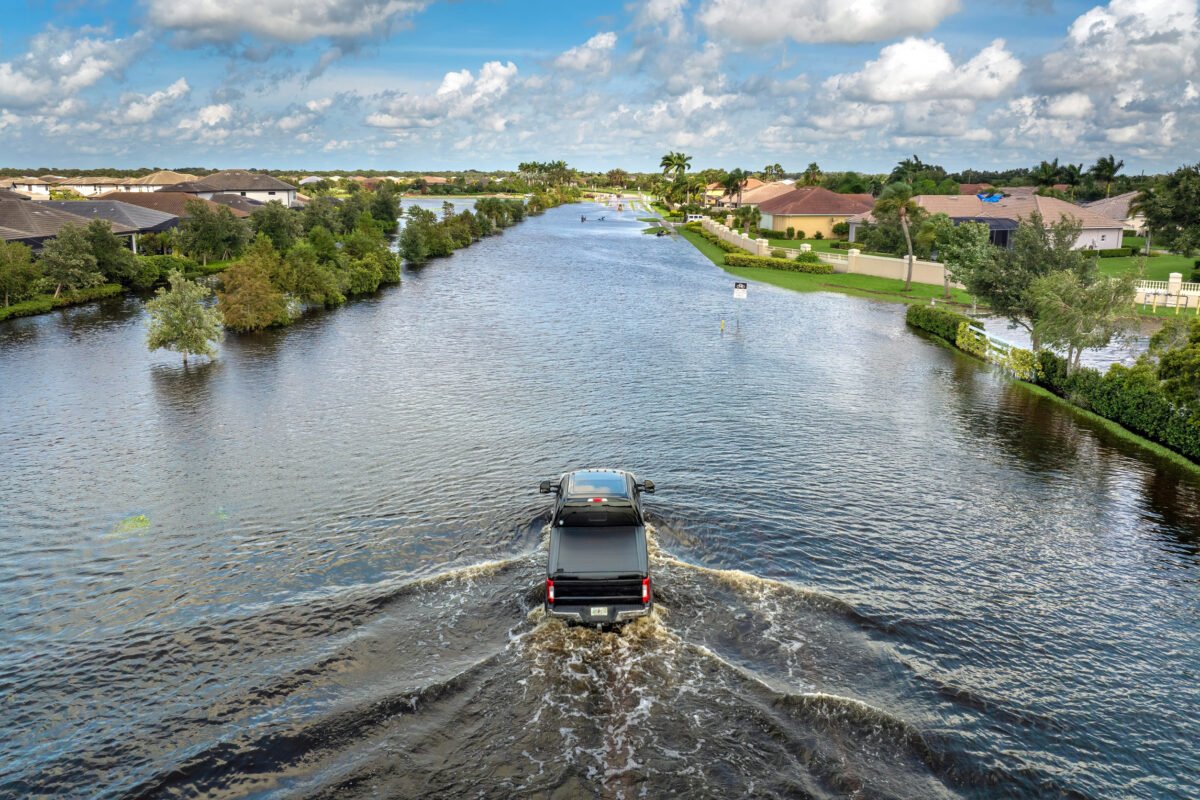
Flood dangers often continue long after the skies clear, and that became painfully clear across parts of Texas. Although heavy rainfall began easing by July 17, officials warned that rivers could keep rising as water continued moving downstream from surrounding areas. More than 27 inches of rain fell in some parts of Texas Hill Country since July 14, overwhelming waterways and forcing emergency crews to rescue people from homes, vehicles, and other dangerous locations.
Texas Gov. Greg Abbott warned residents that the threat was not over, explaining that rivers would continue rising even after the heaviest rain passed. The disaster showed why flooding can be unpredictable, with clear skies creating a false sense of safety while dangerous conditions remain. Water flowing through rivers, streams, and low-lying areas can stay deadly for hours or even days after a storm moves away.
Why Texas Hill Country Can Turn Into a Flood Trap
Texas Hill Country’s scenic landscape, winding rivers, and outdoor attractions make it a popular destination, but those same features can increase flood risks during extreme rainfall. The region’s steep terrain allows water to rush downhill quickly, while rocky ground reduces how much rain can soak into the earth. This combination can send large amounts of water into creeks and rivers with little warning.
At least two people died in the Texas flooding, including a 65-year-old man swept away in his RV near Comfort and a 74-year-old man who drove into floodwaters in Uvalde County. Their deaths highlight one of the most important flood safety lessons: never underestimate moving water. A road that appears passable may contain powerful currents capable of carrying away vehicles and putting lives at risk.
A Family Adventure in Utah Becomes a Flash Flood Tragedy
A family trip to enjoy Utah’s outdoors ended in heartbreak after sudden flooding struck near Sunglow Campground in southern Utah. The family arrived on July 17 near Bicknell for hiking and canyoneering when heavy rainfall triggered dangerous flood conditions. The Wayne County Sheriff’s Office said the family was believed to have been caught in floodwaters caused by the intense storm activity.
Search and rescue teams recovered the victims over several days, and the Provo Fire Department confirmed that Fire Captain Spencer Long and his family members were among those killed. The department expressed deep sorrow over the loss, describing the community as heartbroken. The tragedy showed how quickly a peaceful outdoor adventure can become a life-threatening emergency when flash floods strike.
The Outdoor Adventure Warning Experts Want People to Remember
As hiking, camping, and outdoor recreation continue growing in popularity, officials are warning visitors about the hidden dangers of flash floods. Canyons, washes, and river areas can become extremely hazardous because water from storms miles away can suddenly rush into narrow spaces. A clear sky above a hiking trail does not always mean the area is safe.
Experts recommend checking weather forecasts before entering remote areas and avoiding locations where water can collect or move rapidly. The greatest danger may not come from the storm directly overhead but from rainfall happening upstream. Understanding these risks can help prevent more tragedies during outdoor adventures.
Arizona Man’s Death Shows How Quickly Water Can Change
Arizona faced its own deadly reminder of how quickly flood conditions can become dangerous. The Pima County Sheriff’s Department said 29-year-old Ernesto Ojeda was swept into the Santa Cruz River after storm activity caused water levels in the Julian Wash to rise. His family became concerned after learning he had been near the area during worsening weather conditions.
Authorities later recovered Ojeda’s body, adding another name to the growing list of victims from the severe weather outbreak. The tragedy showed that even familiar locations can become dangerous when heavy rain changes water conditions. Floodwaters can rise quickly, making rivers, washes, and drainage areas extremely risky during storms.
The Storms Didn’t Just Flood Roads; They Disrupted America’s Travel Network

The severe weather created problems far beyond the communities directly hit by flooding. In the Northeast, heavy rain flooded roads across New York City and surrounding areas, leaving motorists stranded and creating widespread disruptions. The travel chaos showed how quickly storms can affect daily life even outside the hardest-hit areas.
More than 1,200 flights were canceled on July 19 as airlines struggled with weather-related delays and disruptions. Thunderstorms can affect aviation by creating dangerous flying conditions, airport restrictions, and problems with aircraft and crew schedules. A storm in one region can create a ripple effect that impacts travelers across the country.
A Second Emergency: Dangerous Heat Moves Across the Southeast
While floodwaters threatened some communities, extreme heat created another serious danger across the Southeast. Forecasters warned that heat indexes could climb above 110 degrees, creating dangerous conditions for millions of residents. The National Weather Service said prolonged heat can become increasingly dangerous when high temperatures continue for several days.
The greatest risks are faced by older adults, children, outdoor workers, and people without reliable cooling options. Unlike floods or storms, extreme heat often develops without dramatic warnings, but it can place severe stress on the body. Officials urged residents to stay hydrated, limit outdoor activity, and check on vulnerable neighbors.
Wildfire Smoke Adds Another Layer of Risk
While storms and heat dominated much of the weather coverage, wildfire smoke from Canada created another major health concern. Air quality alerts remained active across several states, including Illinois, Indiana, Michigan, Minnesota, New York, Ohio, Wisconsin, Idaho, and Oregon. The smoke created hazy skies and dangerous breathing conditions for many residents.
People with respiratory problems, older adults, and children faced the greatest risks from the polluted air. Canadian officials reported hundreds of active wildfires, sending smoke across borders and affecting communities far from the flames. The smoke added another challenge to an already difficult week of extreme weather.
What This Week Revealed About America’s Weather Risks
The latest disasters showed how multiple weather threats can happen at the same time across different parts of the country. Some communities battled rising floodwaters, while others faced extreme heat or unhealthy air caused by wildfire smoke. The combination created a complex emergency requiring different responses in different regions.
Floods require rescue operations and evacuation plans, while heat waves require cooling resources and health precautions. Smoke events require residents to monitor air quality and reduce exposure. Together, these challenges showed how unpredictable and widespread modern weather emergencies can become.
How to Stay Safer During Extreme Weather
Experts continue reminding people that preparation can save lives when dangerous weather arrives. Simple actions such as avoiding flooded roads, checking forecasts before outdoor activities, and paying attention to emergency alerts can reduce risks. Staying informed is often the first step toward staying safe.
Residents are also encouraged to take heat warnings seriously, monitor wildfire smoke conditions, and keep emergency supplies available during severe weather seasons. While communities recover from this week’s tragedies, officials say awareness and preparation remain critical. Extreme weather may be unpredictable, but being ready can make a life-saving difference.