California Animal Rescue Horror Deepens as Mass Graves, Missing Dogs, and No Arrests Fuel Public Outrage
A Northern California animal rescue once trusted as a lifeline for unwanted dogs is now at the center of a widening criminal investigation after authorities uncovered mass graves, hundreds of animal remains and a mystery that stretches across more than 20 California counties.
Investigators say they recovered 117 intact canine remains from two burial sites at Miranda’s Rescue Animal Sanctuary in Fortuna, a Humboldt County facility that had described itself as a no-kill rescue. The discovery has shaken animal advocates, shelters, and pet owners who believed dogs transferred there were getting a second chance. Instead, authorities are now trying to determine how many animals survived, how many died, and whether shelters were misled.
The case began in April when the Humboldt County Sheriff’s Office said it received credible information involving allegations of felony animal abuse, animal cruelty, fraud and conspiracy. By June 23, a second search warrant had brought local, state, and federal agencies to the 50-acre property on Sandy Prairie Road, where investigators excavated open fields looking for buried animals.
What Investigators Found at the Fortuna Property
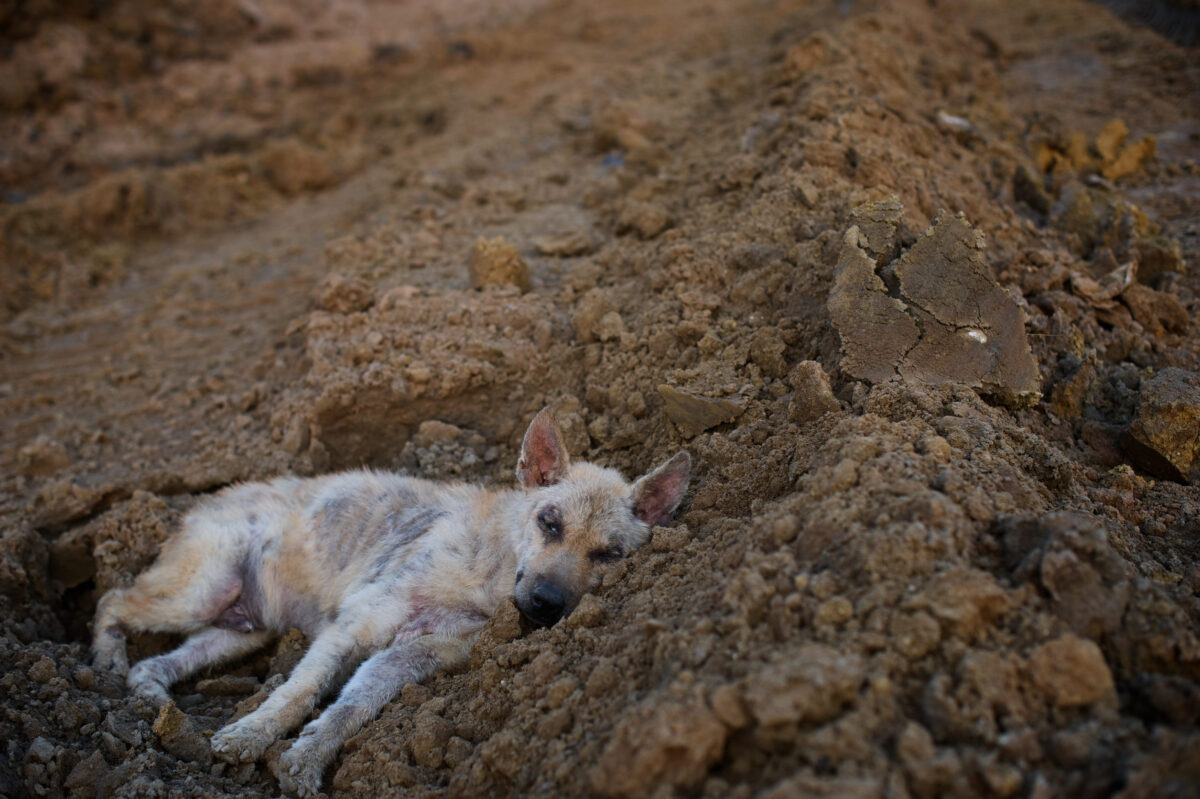
The numbers are grim. Authorities reported 117 intact dog remains, 21 canine skulls, hundreds of additional bones, and loose microchips. Forensic veterinarians and federal investigators X-rayed 70 of the recovered dogs and found bullet fragments in many of them. Officials said the preliminary cause of death for many appeared to be gunshot wounds, though forensic examinations are continuing.
Investigators also found an area inside a barn where they believe dogs may have been killed. The Associated Press reported that more than 600 dog collars were discovered nearby. That detail has become one of the most haunting parts of the case because collars can carry names, licenses, tags, and clues that connect a dead animal to a shelter, a family, or a paper trail.
Humboldt County Sheriff William Honsal called the scene “horrific,” but he also warned the public that the case is far from simple. At a June 29 briefing, he said the investigation remains active and complex, with investigators reviewing physical evidence, financial records and microchip data before any decision is made about possible criminal charges.
Hundreds of Animals Are Still Unaccounted For
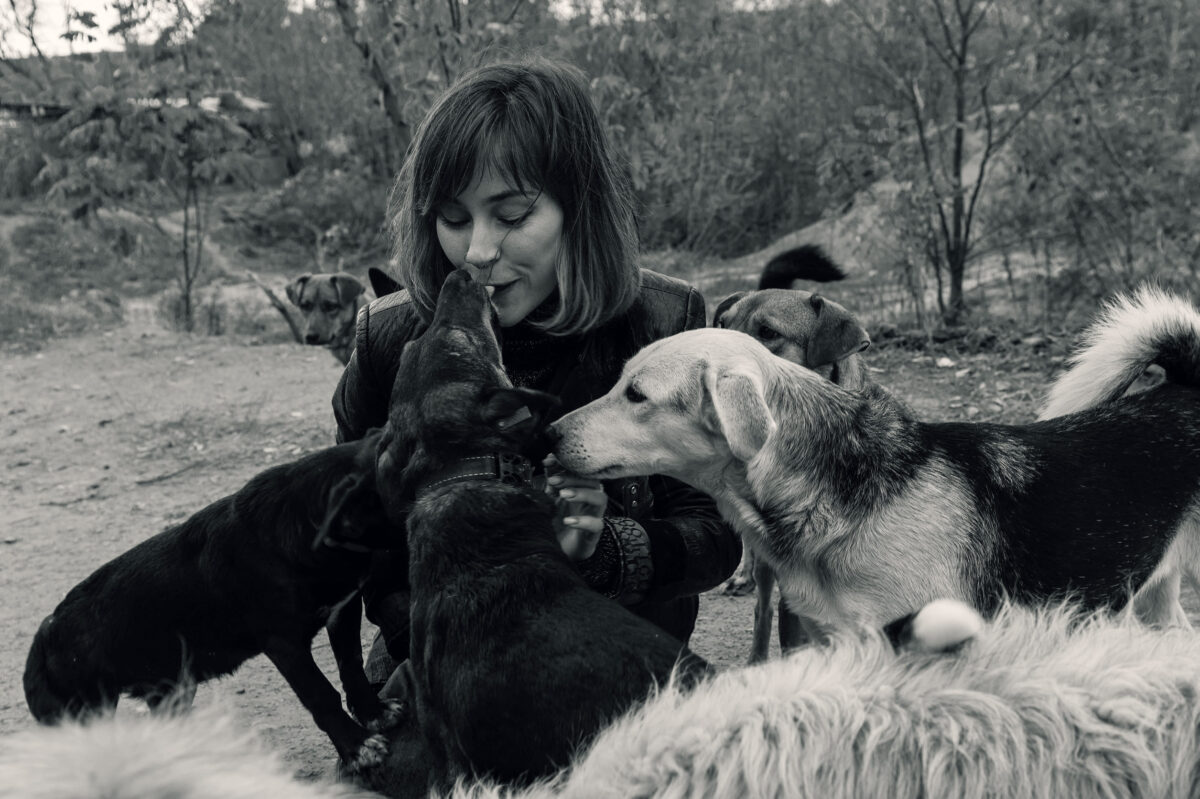
The biggest question is not only what happened to the dogs found in the ground. It is what happened to the hundreds of animals still missing from the records.
According to investigators, shelters and private citizens transferred more than 900 animals to Miranda’s Rescue since January 2025. Authorities have verified only a small fraction of adoptions, leaving roughly 730 animals unaccounted for. Patch reported that shelters often paid transfer fees ranging from hundreds to several thousand dollars per animal, believing those animals would be placed into care or adoption.
That is why investigators are looking beyond animal cruelty. The case also involves possible fraud, theft, and conspiracy. Authorities are examining whether shelters were led to believe transferred dogs would be adopted while some may have been euthanized or killed instead. Importantly, officials have said the shelters themselves may be victims in the alleged scheme.
No arrests have been made. Shannon Miranda, the founder of Miranda’s Rescue, has not been charged. In a statement reported by the Associated Press, Miranda said the rescue does not euthanize animals simply to make space, but said euthanasia may occur in rare cases involving terminal illness or serious danger to people or other animals.
Why No One Has Been Arrested Yet

For many people watching the case unfold, the absence of arrests has been difficult to understand. Protesters have demanded action, and animal lovers across California have reacted with grief and fury. But Honsal has urged patience, saying the case must move through the criminal justice system rather than be driven by social media outrage.
“This case will not be solved in the public forum,” Honsal said, according to the San Francisco Chronicle. He also asked the public to “take a breath” as investigators continue their work.
That does not mean the case is slowing down. The Sheriff’s Office has assigned detectives and a sergeant to the investigation full time. The inquiry now involves the FBI, the California Department of Justice, the California Attorney General’s Office, the U.S. Department of Agriculture, the USDA Office of Inspector General, the USDA Animal and Plant Health Inspection Service, and federal prosecutors in the Northern District of California.
When investigators finish gathering evidence, the case is expected to be submitted to prosecutors, who will decide whether to file charges. That step matters because prosecutors must prove more than public suspicion. They need records, witnesses, cause-of-death findings, financial evidence, and a clear chain connecting alleged acts to specific criminal violations.
The Bigger Problem California May Now Have to Face

Beyond the horror of the remains, the Miranda’s Rescue case has exposed a troubling gap in oversight. Patch reported that Miranda’s Rescue operated as an unlicensed animal sanctuary, not as a licensed public animal shelter. Because sanctuaries are not regulated the same way, authorities cannot simply revoke a shelter license or immediately shut the operation down.
That has turned this investigation into something larger than one property in Fortuna. California’s overcrowded shelters often rely on private rescues to take animals they cannot house. Many of those rescues do compassionate, difficult work. But when animals are transferred out of public systems into private hands, the public may not always know what happens next.
For families, shelter workers and donors, the case cuts deep. A dog sent to a rescue is not supposed to vanish into paperwork. A transfer fee is not supposed to buy silence. A no-kill label is not supposed to become a question mark.
About 50 live animals, including dogs, cats, and birds, reportedly remain at the sanctuary while investigators monitor their condition and care. Authorities are asking anyone with information about animals transferred to Miranda’s Rescue within the past year to contact the Humboldt County Sheriff’s Office.
For now, the ground has given investigators part of the story. The records, microchips, and witnesses may have to tell the rest.