9 Things You Should Never Store in Plastic Containers
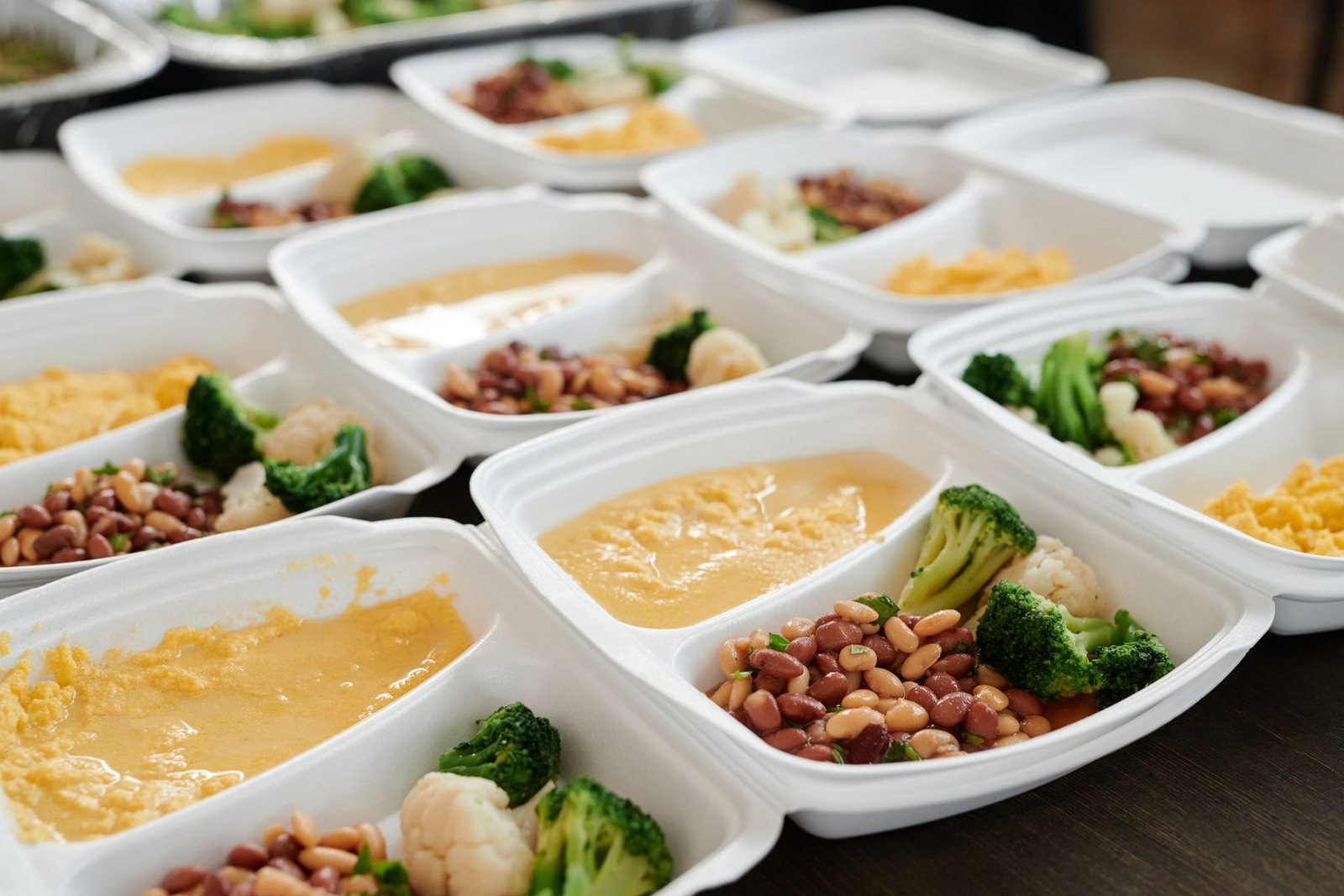
Plastic food containers are the workhorses of most kitchens. They stack, they’re light, and they’re the first thing most of us grab when there’s a pot of leftovers on the stove. But a few foods and household items are hard on them, and the result is a cabinet full of orange-tinted tubs, lids that smell like last month’s stir-fry and bottoms that no longer sit flat.
The nine things to keep out of plastic are tomato sauce, turmeric dishes, garlic and onion leftovers, boiling-hot liquids, cooking oil, sharp knives, beets and berries, coffee and spices, and anything headed for the oven. Here’s why each one causes trouble and what to use instead, with Thanksgiving leftovers just around the corner.
1. Tomato Sauce and Chili
Tomato-based sauces are the classic container stainers. The red-orange color settles into the plastic, especially when the sauce is warm, and it can linger through dozens of washes. Michigan State University Extension specifically advises against microwaving tomato sauce in plastic containers and suggests a light coat of unflavored cooking spray inside the container if you do use one.
If a stain won’t budge after a soak, MSU Extension’s advice is simple: recycle the container or toss it. A glass container with a snap lid is the easier choice for spaghetti sauce, chili and lasagna leftovers, though glass has its limits too, and there are a few things you should never store in Mason jars.
2. Turmeric-Heavy Curries
Turmeric gives curries, golden rice and many soups their beautiful yellow color, and it gives plastic the same color permanently. Even a short stay in the fridge can leave a container with a yellow cast that never quite fades.
Glass, stainless steel or ceramic dishes with lids are better homes for anything with a lot of turmeric, curry powder or saffron.
3. Garlic and Onion Leftovers
Strong aromas are just as stubborn as stains. As home-improvement retailer Lowe’s explains, plastic is porous, which means it can absorb food smells, and it recommends keeping pungent foods in dedicated containers or sealed bags. That’s why a tub that held garlic shrimp can make tomorrow’s fruit salad taste faintly savory.
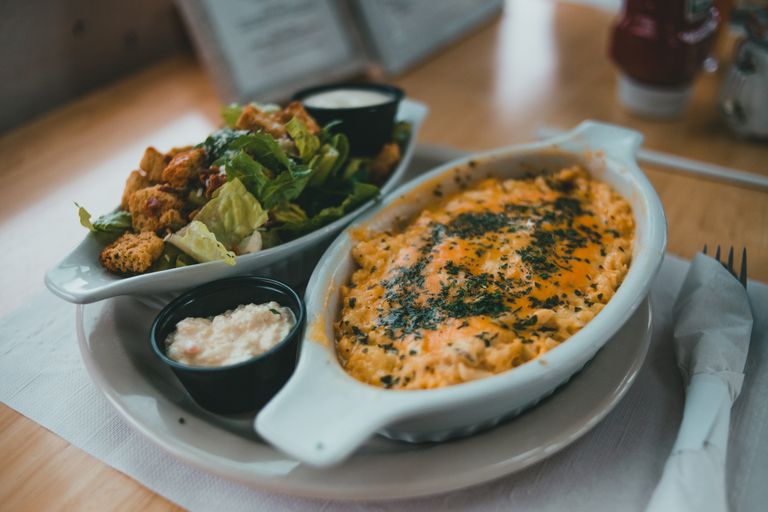
A garlicky dish like creamy pesto pasta or a bowl of caramelized onions keeps better in glass. If a plastic tub has already picked up an odor, MSU Extension suggests scrubbing it with a paste of baking soda and water or soaking it in undiluted vinegar, then washing it again.
4. Boiling-Hot Soup, Stock and Gravy
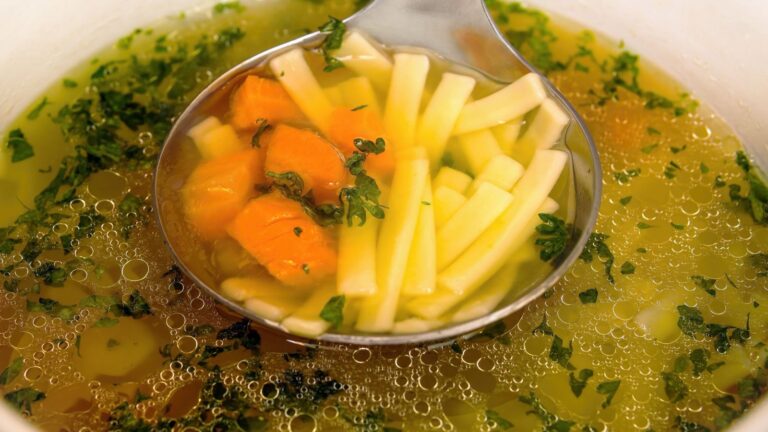
Pouring hot stock or gravy straight from the stove into a thin plastic tub is one of the most common kitchen mistakes, and it shows. Very hot liquids can soften plastic, leaving the container warped so the lid no longer snaps shut.
MSU Extension says any plastic container that cannot hold its shape in hot water or the microwave should be tossed or recycled. Let soups and gravies cool a bit in the pot or ladle them into a heatproof glass dish first. For freezer storage, think about what each item needs, since some dishes are on the list of Thanksgiving leftovers you should never freeze anyway.
5. Cooking Oil
Bulk cooking oil is tempting to decant into a spare plastic jug, but it leaves a greasy film that’s hard to wash out, and plastic that has held other foods can pass along stray flavors. Olive oil in particular tastes best when kept in its original dark bottle or a glass cruet, away from heat and light.
MSU Extension recommends wiping grease out of containers with a paper towel before washing, which hints at how stubborn oily residue can be.
6. Sharp Knives and Kitchen Tools
Plastic bins seem like a handy place to toss paring knives, peelers and skewers, but blades scratch and gouge the plastic and get dull knocking against each other. A Tupperware product instruction sheet is blunt about it: “Do not use knives or sharp objects.” A knife block, a magnetic strip or blade guards work better, and a wall-mounted knife rack is one of those DIY projects that make life much easier.
7. Beets and Berry Compotes
Roasted beets, cranberry sauce, blueberry compote and red cabbage all carry deep pigments that cling to plastic the same way tomato does. Your cranberry sauce will look and taste just as good in a glass jar, and you’ll avoid a pink-tinted tub.
8. Coffee Beans and Ground Spices
Coffee and spices are packed with aromatic oils, and plastic tends to hold on to them. Store coffee in a plastic tub and the container may smell like French roast for months, while your beans can pick up whatever was in there before. Ground cumin, chili powder and smoked paprika behave the same way.
An airtight glass jar or an opaque metal canister keeps their flavor where it belongs.
9. Anything Headed for the Oven or Broiler
Most plastic storage containers are made for the fridge and the cupboard, not for high heat. The same Tupperware sheet notes that the product isn’t suitable for the oven or grill, and many containers carry similar warnings. Even the dishwasher can be tough on them. Tupperware expert Corinne Brown told Reader’s Digest to put dishwasher-safe containers on the top rack, since the bottom rack sits closer to the heating element and can melt them.
If a dish needs to be reheated in the oven, store it in an oven-safe baking dish from the start.
Keep the Plastic You Love Looking New
Plastic containers are still great for sandwiches, cut vegetables, crackers, dry goods and cooled leftovers that don’t stain. Check the care label, keep the heat moderate and save glass for the saucy, smelly and steaming-hot jobs. Your containers will last longer, and your fruit salad will taste like fruit salad.