8 Thanksgiving Leftovers You Should Never Freeze
The freezer feels like the perfect answer to a fridge stuffed with Thanksgiving leftovers. Wrap it up, label it, and future you will thank you, right?
Not always. Some holiday favorites simply do not survive the trip. Cooperative Extension food specialists list several common foods that turn limp, watery, rubbery or soggy once they thaw, and a lot of them land on the Thanksgiving table. Here are eight leftovers better enjoyed in the next few days than saved for January.
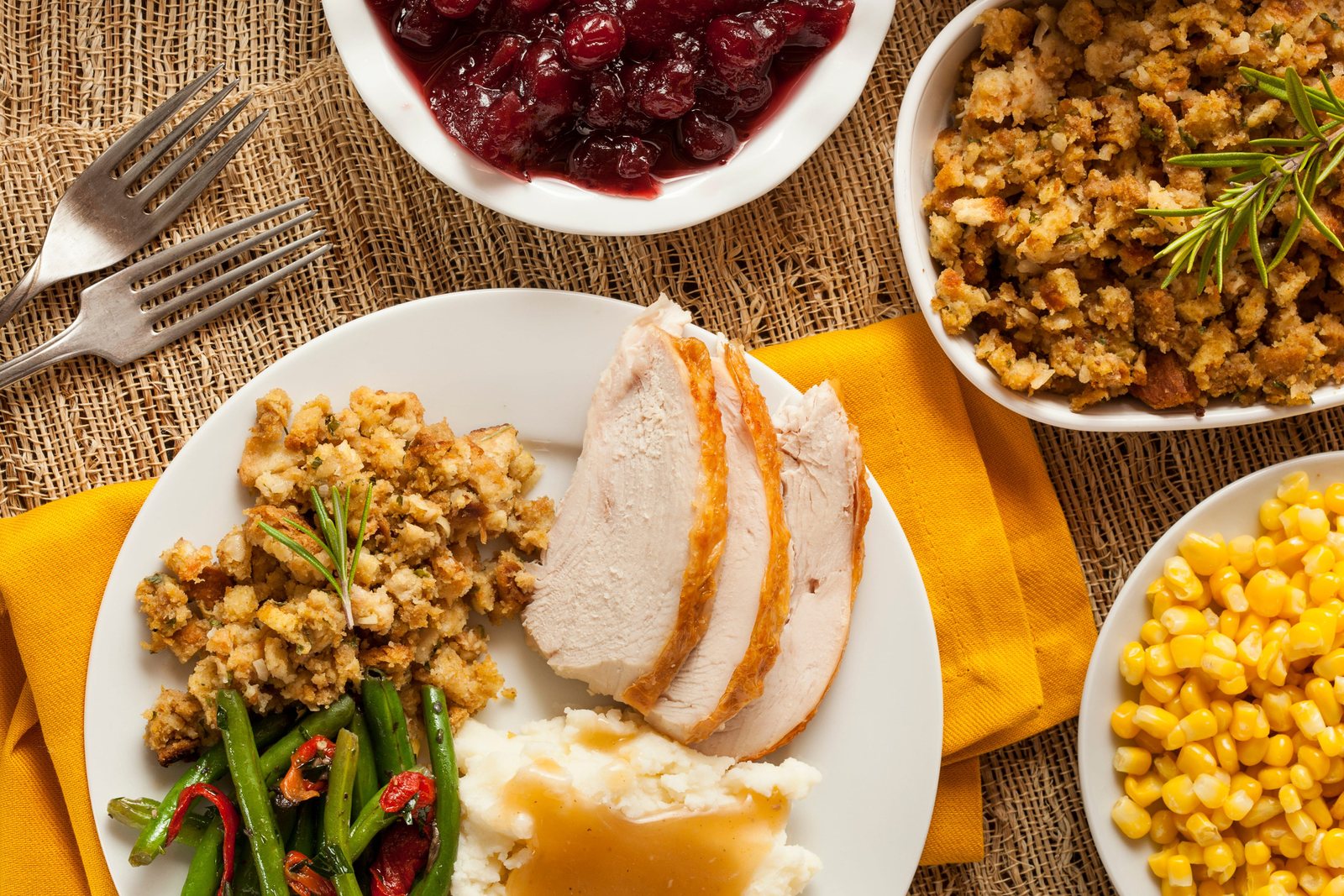
1. Tossed green salad
Lettuce is mostly water, and freezing is not kind to it. Oregon State University Extension’s guide to foods that do not freeze well says raw lettuce and other salad vegetables turn “limp, water-logged” and quickly develop off colors, aromas and flavors.
Dressing makes it worse, since the leaves are already wilting by the time the meal ends. Eat leftover salad the next day, or better yet, store undressed greens separately so they stay crisp in the fridge. It is one of those kitchen mistakes plenty of cooks are guilty of.
2. The relish and veggie tray
Celery sticks, cucumber slices and radishes fall into the same category. University of Missouri Extension’s Freezing Basics guide lists celery, cucumbers and radishes among the salad vegetables that come out limp and waterlogged.
If you have a mountain of leftover crudités, chop them into soups, stir-fries or a weeknight stock instead. Cooked into a dish, celery holds up just fine.
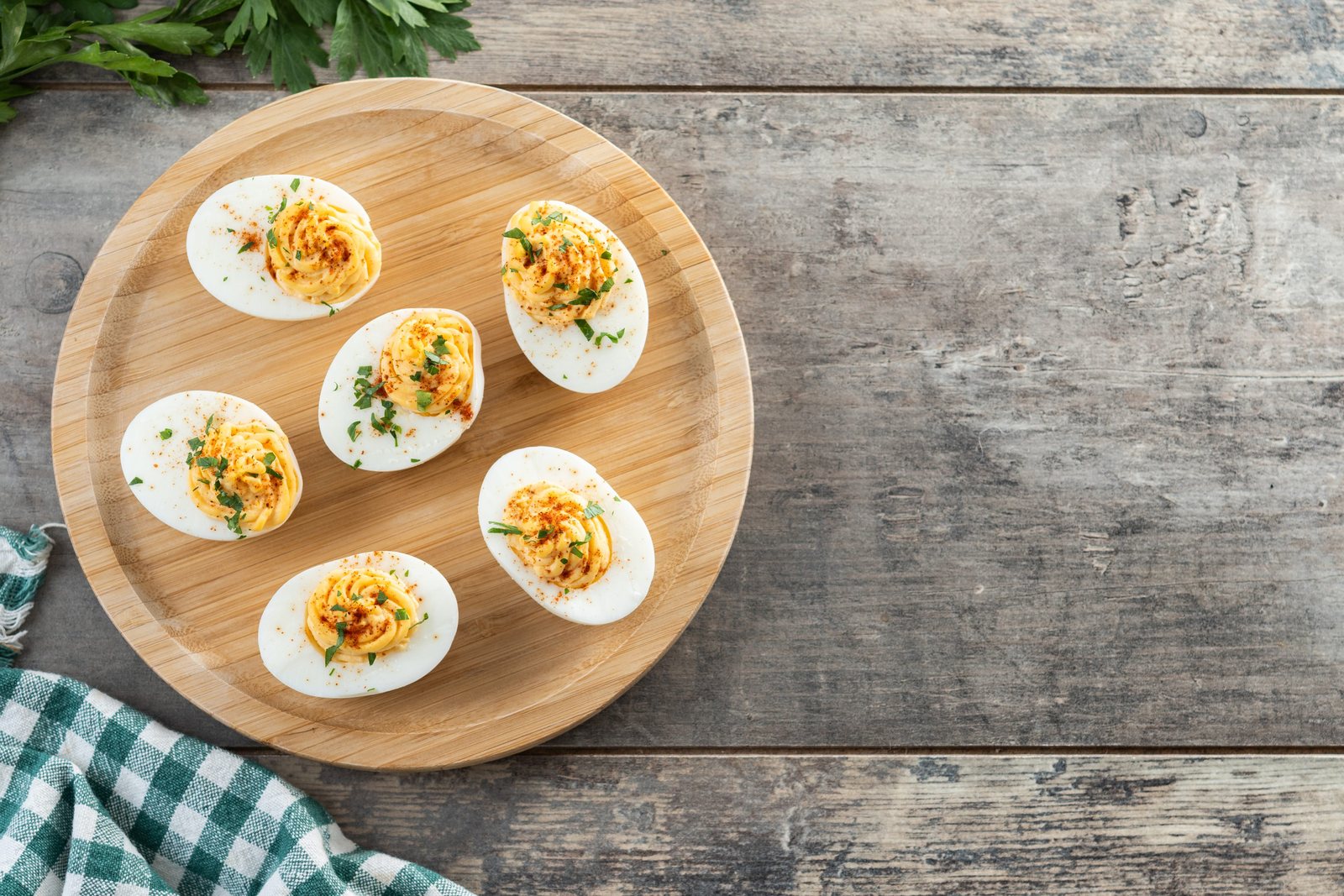
3. Deviled eggs
Deviled eggs vanish fast at most gatherings, but if a few are left, do not stash them in the freezer. Oregon State Extension notes that cooked egg whites turn “soft, tough, rubbery, spongy” after freezing.
The creamy filling does not fare much better, since mayonnaise tends to separate. Deviled eggs are a fridge-only leftover, and they are best enjoyed within a couple of days, which is rarely a problem. They are a classic on the list of leftover dishes families look forward to more than the feast.
4. Cream and custard pies
That coconut cream or chocolate cream pie is a freezer heartbreak waiting to happen. According to University of Missouri Extension, cream and custard fillings separate, become watery and turn lumpy after thawing, and meringue toughens.
The watery filling also soaks into the crust, so even if the flavor holds, the texture will not. Fruit pies and many baked pies are much better candidates for the freezer. Save the cream pies for second helpings this weekend.
5. Gelatin salads and molds
The cranberry gelatin mold or retro Jell-O salad may be a family tradition, but it does not belong in the freezer. Oregon State Extension says gelatin “weeps” after freezing, meaning liquid seeps out and the shape slumps.
Keep molded salads covered in the refrigerator and enjoy them within a few days. That kind of make-it-last thinking is one of the boomer habits that are making a comeback.
6. Fried foods
Fried turkey skin, fried onion toppings, fritters and anything else with a crunchy coating lose their best quality in the freezer. Extension guides from both Oregon State and the University of Missouri say most fried foods lose their crispness and become soggy, with French fries and onion rings as the notable exceptions.
If you really want to plan ahead, it is smarter to freeze components before frying, a strategy that works well alongside the tips in these foods you can freeze ahead to make Thanksgiving easier. And if budget matters, simple dishes like the humble foods even wealthy families love are often the ones that reheat best.
7. Potato salad and other mayo-based salads
Potato salad, macaroni salad and creamy turkey salad are all poor freezer choices. Oregon State Extension says potato and macaroni salads become watery and tough or mushy, and mayonnaise and salad dressings separate. Mississippi State University Extension’s dos and don’ts of freezing food also lists potato salad and mayonnaise among foods that do not freeze well.
If you want to use up leftover turkey later, freeze the plain meat and mix it with fresh mayonnaise when you are ready to make sandwiches.
8. Baked potatoes and boiled potato chunks
Here is the surprise: mashed potatoes are not on the do-not-freeze list. Mississippi State Extension notes that mashed potatoes freeze well, but cooked chunks of potato do not. University of Missouri Extension says baked or boiled potatoes become soft, crumbly, waterlogged and mealy.
So if you have leftover roasted potatoes, enjoy them within a few days or mash them before freezing. Your future shepherd’s pie will be better for it.
A few smarter freezer moves
A little planning helps the leftovers you do freeze taste their best:
- Freeze turkey meat on its own, without gravy or dressing mixed in.
- Mash potatoes before freezing rather than freezing whole or chunked pieces.
- Skip freezing dishes with crumb or cheese toppings; extension guides say those toppings get soggy.
- Expect milk-based sauces and gravies to separate a bit, and whisk them well when reheating.
The bottom line
The freezer is a great tool for Thanksgiving leftovers, but not a magic one. Crisp salads, veggie trays, deviled eggs, cream pies, gelatin molds, fried foods, mayo-based salads and potato chunks are all happier eaten fresh. Plan a leftover lunch or two this weekend, and save your freezer space for the turkey, stuffing and mashed potatoes that really can wait.