8 Food Fads From the 1990s That Seem Bizarre Now
Every decade has its food trends, and the 1990s had some truly strange ones. It was the era of clear sodas, neon drinks with floating balls, fat-free everything and sun-dried tomatoes on every menu. Companies were experimenting wildly, and shoppers were happy to try almost anything that looked new and exciting.
Looking back, some of those fads seem almost unbelievable. Gen Xers and older millennials remember them fondly, or with a little embarrassment, while younger people often can’t believe they were real. Some vanished quickly, while a few have made surprise comebacks. Here are eight food fads from the 1990s that seem bizarre now.
1. Crystal Pepsi
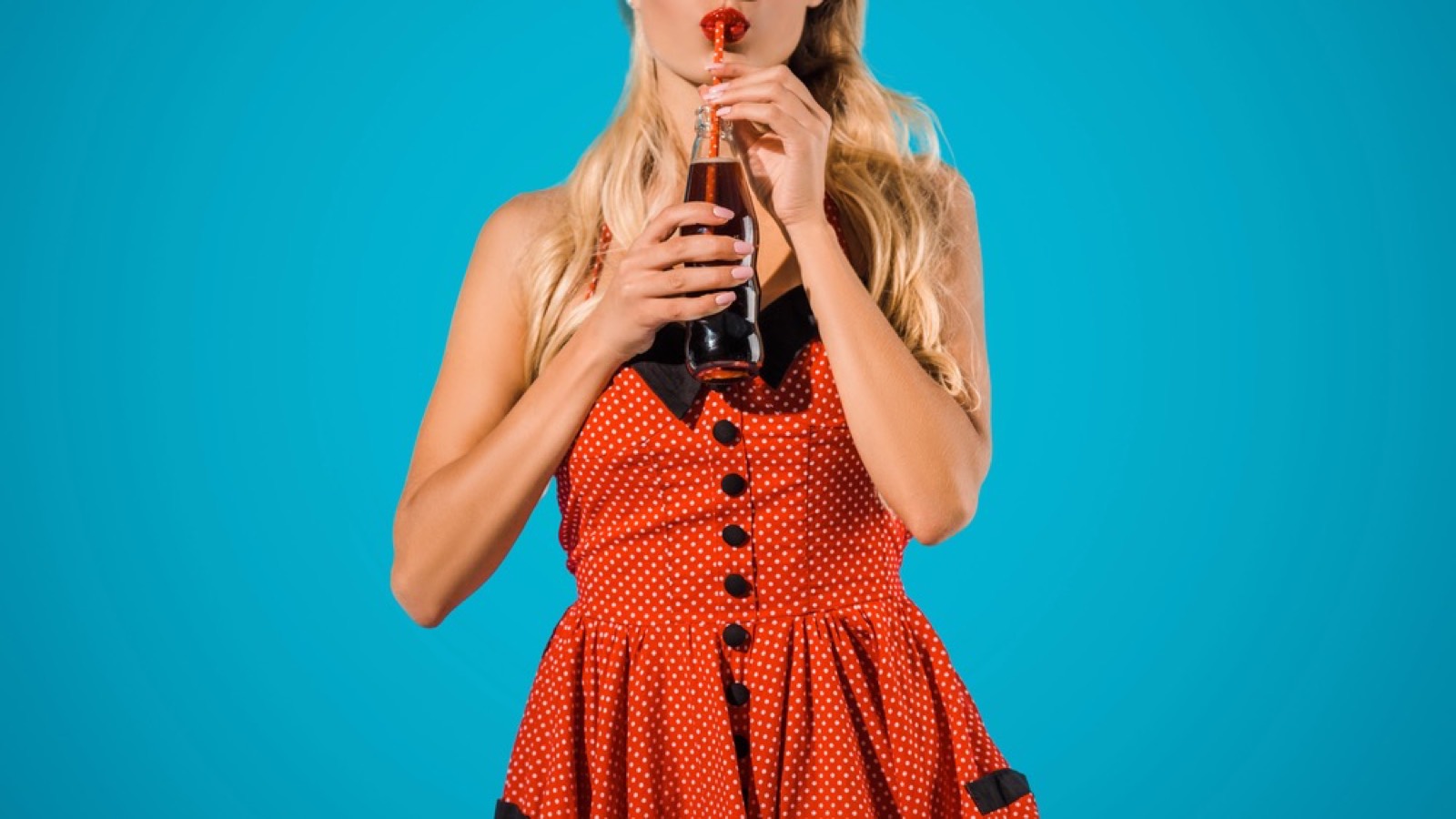
In 1992, Pepsi launched Crystal Pepsi, a clear, caffeine-free cola. The idea was to tap into a trend that linked clear products with purity and lightness. The launch was huge, with heavy advertising and a lot of curiosity from shoppers.
But many people found the experience confusing. It looked like a lemon-lime soda but tasted like cola, and the novelty wore off quickly. Crystal Pepsi was pulled from shelves after a short run. Decades later, Pepsi brought it back for limited releases, and nostalgic fans snapped it up. Today, Crystal Pepsi is often cited as one of the most famous product flops in marketing history.
2. Zima
Zima, a clear malt beverage from Coors, arrived nationally in 1994 and became one of the most talked-about drinks of the decade. It was marketed as a new alternative to beer, and its clear look fit right into the same trend as Crystal Pepsi.
Zima sold very well at first, then quickly became the punchline of late-night jokes. Sales dropped, and it was discontinued in the U.S. in 2008. It made brief limited returns in later years, mostly as a nostalgia item for people who remembered it from their 20s.
3. OK Soda
In 1993, Coca-Cola launched OK Soda, a drink aimed squarely at Gen X. The marketing was deliberately odd and ironic, with gloomy cartoon artwork on the cans and slogans that seemed to make fun of advertising itself. Even the flavor was hard to describe.
OK Soda was tested in a few markets but never caught on, and it was quietly discontinued within a couple of years. Today, it’s a cult favorite among collectors and marketing fans, who see it as a perfect example of how strange 1990s branding could get.
4. Orbitz Drinks With Floating Balls
Orbitz, introduced in 1997, was a fruit drink filled with small, chewy gel balls that floated in the bottle. It looked like a lava lamp or a science experiment, and its flavors had names that matched its unusual look.
People were curious, but many found the texture off-putting. Orbitz disappeared within about a year. It’s often remembered as one of the strangest drinks ever sold, and photos of it still pop up in nostalgic lists of ’90s products.
5. The Fat-Free Snack Craze
In the early 1990s, fat-free snacks were everywhere. SnackWell’s cookies, launched by Nabisco in 1992, became a huge hit, especially the Devil’s Food cookie cakes. Stores had trouble keeping them in stock, and shoppers stocked up whenever they could.
The trend led to fat-free versions of chips, cheese, salad dressings and desserts. Many of these products were loaded with sugar to make up for the missing fat, and the fad faded by the end of the decade. Today, people often look back on the fat-free era as one of the most dramatic food crazes of the ’90s.
6. Fruitopia
Coca-Cola introduced Fruitopia in 1994 as a colorful fruit drink with a hippie-style, peace-and-love image. Its flavors had names like Strawberry Passion Awareness and Fruit Integration, and its ads were full of swirling colors and philosophical slogans.
Fruitopia was a big hit at first, especially with teenagers. Over time, it was scaled back in the U.S. and eventually became hard to find, though it lived on in some fountain machines and other countries. For many ’90s kids, it’s a memorable taste of the decade.
7. Surge Soda
Surge, launched by Coca-Cola in 1997, was a bright green citrus soda aimed at teens and marketed as an extreme, high-energy drink. Its commercials were loud and action-packed, and it quickly built a devoted following.
Surge was discontinued in the early 2000s, and fans spent years campaigning for its return. Coca-Cola eventually brought it back in 2014, first through online sales, thanks in large part to social media pressure. It’s one of the best-known examples of a ’90s product revived by nostalgia.
8. Sun-Dried Tomatoes on Everything
In the late ’80s and ’90s, sun-dried tomatoes became the ingredient of the moment. Restaurants put them on pizzas, pasta, salads, sandwiches and even bagels. Grocery stores sold them in jars of oil, and home cooks added them to recipes to feel fancy.
The trend faded as chefs moved on to new ingredients, and sun-dried tomatoes became something of a joke about ’90s dining. They’re still around, but no longer the must-have ingredient they once were. Many people who lived through the era laugh about how they seemed to appear on every menu.
Why the 1990s Were So Experimental
The 1990s were a time of big marketing budgets and bold product launches. Companies were trying to reach younger consumers who were drawn to novelty, irony and bright colors. Clear products, extreme flavors and unusual packaging were all part of the effort to stand out.
The decade also saw shifting ideas about food, with low-fat diets and “light” products dominating grocery aisles. Many of these trends seem odd in hindsight, but they reflected what shoppers wanted at the time. They fit right in with other ’90s rituals that quietly disappeared.
The Nostalgia Comeback
In recent years, many ’90s foods have returned for limited runs. Crystal Pepsi, Surge and Zima all came back briefly, often after fan campaigns. Companies know that nostalgia sells, especially to adults who want to relive their childhood or teenage years.
Some of these comebacks are hits, while others fade quickly once the novelty wears off. But they show how strong the connection is between food and memory, and how a strange drink from 1993 can still spark excitement decades later. Many Gen Xers say these products remind them of things they grew up doing that kids today will never experience.
A Decade of Delicious Weirdness
The food fads of the 1990s were colorful, strange and sometimes short-lived, but they’re a big part of what makes the decade memorable. They capture a time of optimism, experimentation and a willingness to try something new.
For people who were there, these products bring back memories of mall food courts, sleepovers and road trips. For younger generations, they’re a reminder that every era has its own odd ideas about what tastes good.