9 Things You Should Never Store in Mason Jars
Mason jars hold just about everything in a modern kitchen: overnight oats, leftover soup, flour, pens on the desk and the occasional bouquet of grocery-store tulips. They’re sturdy, cheap and easy to wash, so it’s tempting to treat them as the answer to every storage question.
But a few things simply don’t do well in a glass jar. Some can crack the glass, some lose flavor faster than they would elsewhere, and a couple just turn into a soggy mess. Here are nine to keep out of your jars, plus what to use instead.
1. Soup or Broth Filled to the Brim for the Freezer
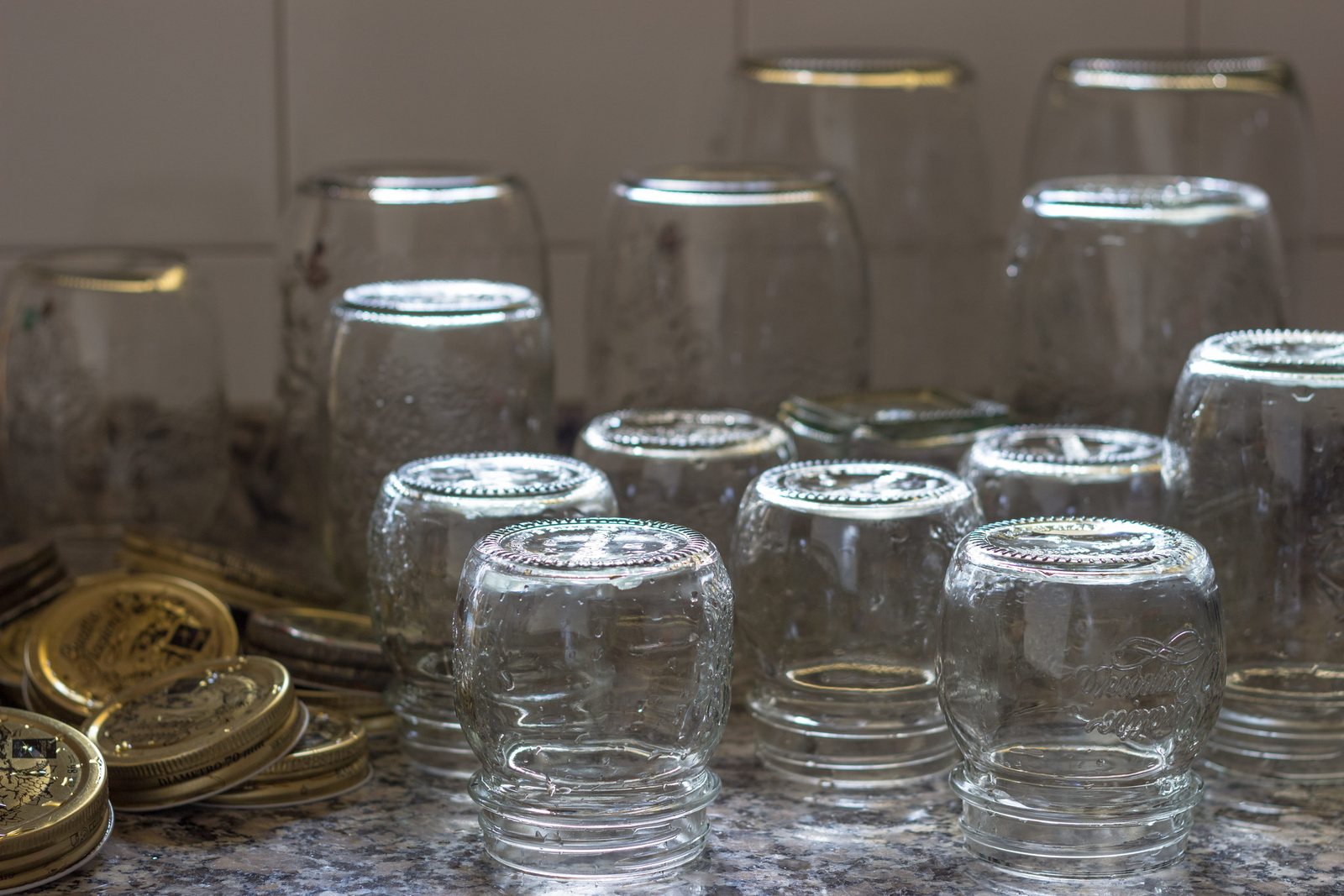
Liquids expand as they freeze, and a jar filled to the top has nowhere for that extra volume to go. The National Center for Home Food Preservation at the University of Georgia warns that expansion of the liquid could cause jars to break at the neck, and that regular glass jars break easily at freezer temperatures.
Leave room at the top instead. Ball’s own freezing guide recommends leaving ½-inch headspace in rigid containers, and more is better for brothy soups. It’s one of those kitchen mistakes almost everyone makes once and never again.
2. Anything Frozen in a Jar With “Shoulders”
Not all mason jars are freezer-friendly, even with headspace. Ball says jars with tapered or straight sides are freezer safe, while jars with shoulders (the ones that curve in below the neck) are not. Frozen food pushes up into that narrow neck and stresses the glass.
If you freeze a lot of stock, chili or applesauce, a few wide-mouth straight-sided jars are worth keeping just for the freezer. Bonus: the frozen block slides out much more easily, which makes life easier when you’re freezing dishes ahead of Thanksgiving.
3. Soda, Seltzer and Other Fizzy Drinks
Pouring half a can of soda into a mason jar to save for later sounds thrifty, but a two-piece canning lid isn’t designed to hold carbonation the way a bottle cap is. The bubbles escape and you’re left with a flat, syrupy drink by the next afternoon.
Shaking a jar of something fizzy is also a good way to make a sticky mess when you open it. Keep carbonated drinks in their original bottle with the cap screwed tight.
4. Hot Bacon Grease or Liquid Straight Off the Stove
Plenty of cooks keep a jar of bacon drippings by the stove, but pouring sizzling-hot fat into a cool jar is asking for a crack. South Dakota State University Extension advises that to keep jars in good condition you should avoid sudden temperature changes, including setting a hot jar on a cool surface.
Let grease and soups cool for a bit before they go into glass, and set the jar on a folded towel rather than a cold countertop. It’s the same patience that makes so many simple DIY projects around the house go smoothly.
5. Coffee Beans on a Sunny Counter
A row of clear jars filled with coffee beans looks lovely, but it’s not great for flavor. The National Coffee Association says coffee’s biggest enemies are air, moisture, heat and light, and it specifically advises people to avoid clear canisters that let light compromise the taste.
An opaque, airtight canister in a cool cupboard keeps beans tasting fresher. If you love the look of jars, keep them inside a closed cabinet.
6. Spices in Clear Jars Above the Stove
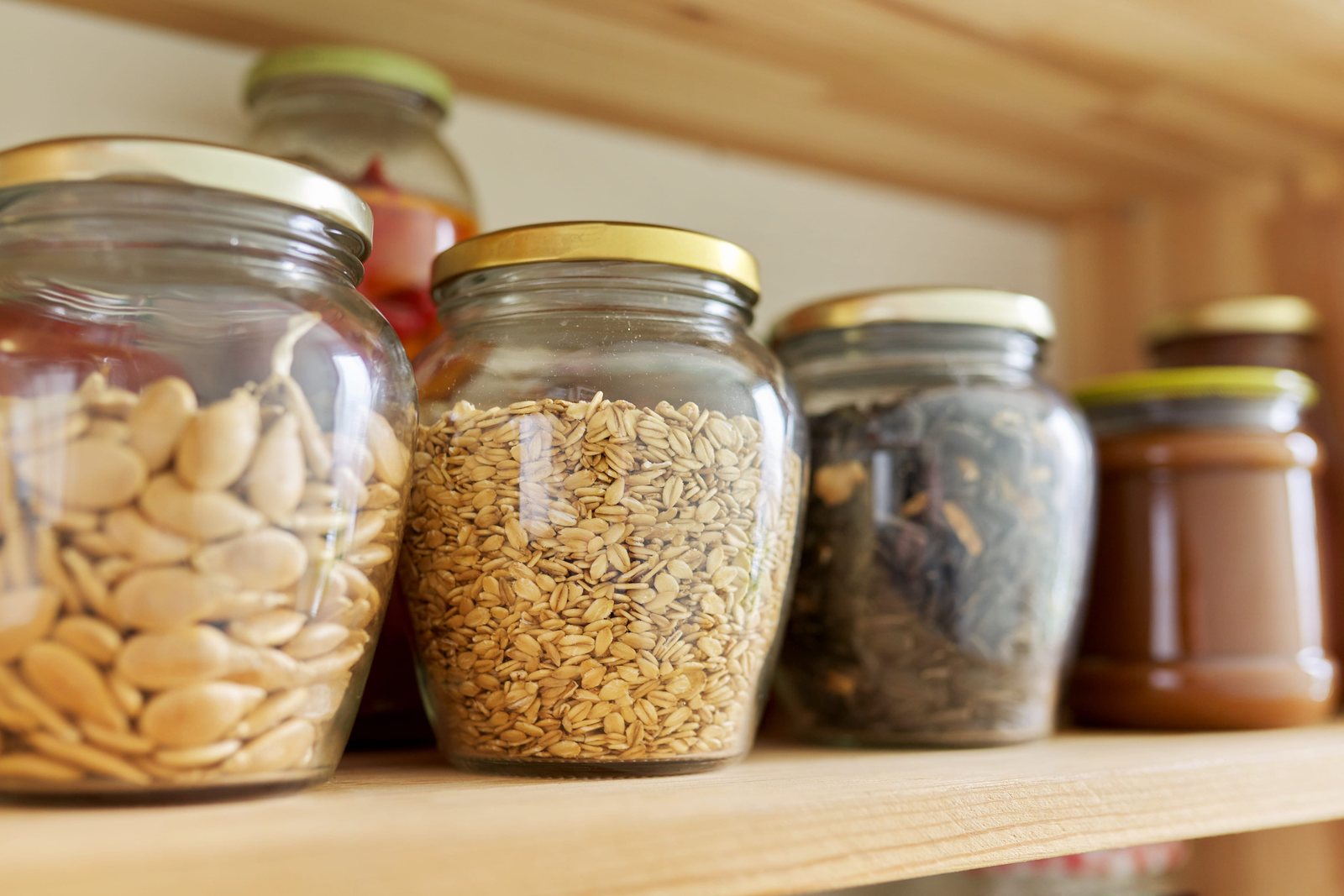
Decanting spices into matching little jars is a popular weekend project, and it can look beautiful. The trouble is where those jars often end up. McCormick recommends keeping herbs and spices away from heat, moisture and direct sunlight, and specifically says to avoid storing them over the stove, dishwasher or sink or near a window.
Clear jars are fine in a drawer or a dark cabinet, much like the old-school pantry habits making a comeback. Just keep them off the open shelf next to the range, and if you’re also rethinking plastic, these are the things that don’t belong in zipper bags either.
7. Olive Oil by the Window
Pouring a big tin of olive oil into a pretty glass jar by the window is a common move, and a bad one for flavor. The North American Olive Oil Association’s storage guidance says to keep olive oil away from windows and fluorescent lighting, and away from the stove or oven, and to use it within a few months of opening.
A dark bottle or tin in a cool cupboard keeps it tasting fresh. A small jar on the counter for daily use is fine if you refill it often.
8. Salad Already Tossed With Dressing
Mason jar salads are a lunchbox favorite, but only when they’re layered right. Toss everything together on Sunday and the lettuce will be limp and soggy by Tuesday.
Put dressing on the bottom, sturdy vegetables like carrots and cucumbers next, and greens on top. Shake it into a bowl only when you’re ready to eat.
9. Vinegar-Heavy Foods Under Metal Lids for the Long Haul
Fridge pickles, salsa and homemade dressings are tasty in jars, but tangy, wet foods can leave metal lids and bands looking rusty and hard to unscrew after a while.
Plenty of cooks swap in plastic or stainless storage caps for jars that live in the fridge. They’re reusable, easy to wash and won’t leave a ring of rust on your shelf.
Mason jars are still among the most useful things in any kitchen. A little headspace, a cooler spot and the right lid go a long way toward keeping your food tasting the way it should and your jars in one piece.