9 Old-School Pizzeria Traditions That Are Fading Fast
For a lot of Americans, the neighborhood pizzeria was the center of the universe. It was where Little League teams celebrated, where teenagers went on first dates and where families ended up on Friday nights when nobody wanted to cook. The smell of baking dough and oregano hit you the moment you opened the door, and the man behind the counter probably knew your name.
Pizza is more popular than ever today, but the way we buy and eat it has changed. Apps, delivery drivers and national chains have replaced many of the small family shops that once anchored every town. Along the way, some beloved traditions have quietly slipped away.
If you grew up eating pizza in the 1960s, 1970s or 1980s, many of these will sound familiar. Here are old-school pizzeria traditions that are fading fast, and why so many people still miss them.
1. Watching the Dough Get Tossed
At an old-school pizzeria, the show started the moment you walked in. The pizza maker stood near the front window, stretching and spinning dough high in the air while kids pressed their noses to the glass. It was part cooking, part performance, and it made waiting for a pie feel like entertainment.
Many modern pizza places use dough presses or pre-portioned crusts to speed things up, and the kitchen is often hidden in the back. Some traditional shops still toss dough by hand, but watching a skilled pizza man work the dough has become a rare treat. For many people, it was one of the best parts of the whole experience.
2. Red-Checkered Tablecloths and Candles in Bottles
The classic pizzeria look was hard to miss. Red-and-white checkered tablecloths covered every table, and a candle stuck in a straw-covered Chianti bottle provided the mood lighting. Wood paneling, framed photos of Italy and maybe a mural of Venice finished the scene.
These details were more than decoration. They told customers they were in a family-run Italian place, even if it sat between a laundromat and a hardware store. Many newer pizzerias have a modern, minimalist look with metal chairs and bare tables. The cozy, slightly kitschy charm of the old places is slowly disappearing.
3. Pizza by the Slice at the Counter
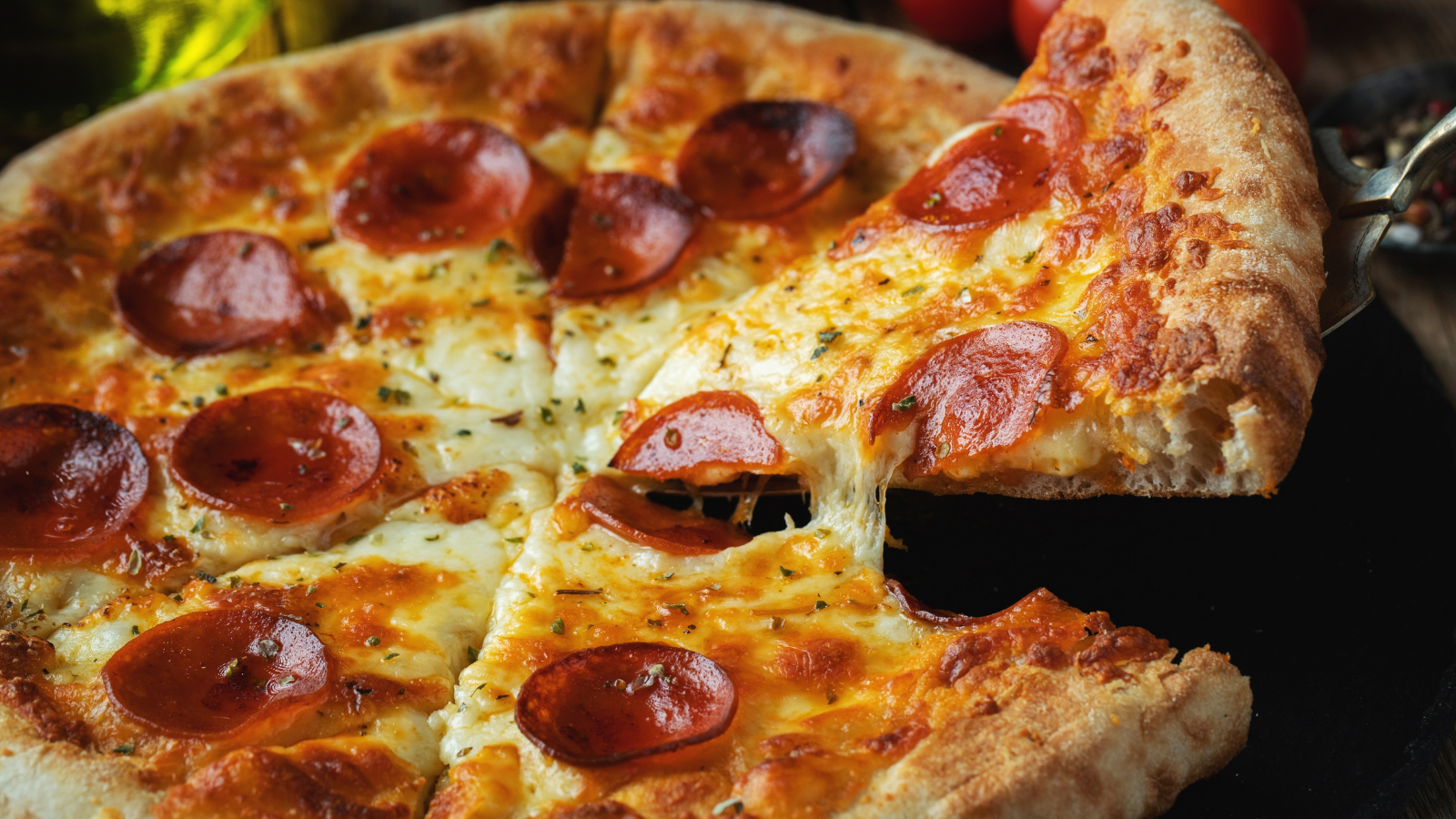
In many towns, especially in the Northeast, grabbing a slice was a daily ritual. You walked up to the counter, pointed at a pie under the glass and watched it go back into the oven for a quick reheat. A slice and a soda made a cheap, fast lunch for workers and students alike.
Slice shops still exist, especially in New York City, but rising rents and costs have pushed many of them out. Some places now sell only whole pies through delivery apps. Folding a hot, greasy slice in half and eating it standing up on the sidewalk is one tradition that people from the East Coast still guard fiercely.
4. The Jukebox and the Pinball Machine
Old pizzerias were also hangouts. A jukebox in the corner played the latest hits, and a pinball machine or arcade game kept kids busy while their parents waited for dinner. Teenagers could spend an entire evening there with a few quarters and one large pepperoni.
Today, most kids are more likely to be looking at a phone than feeding coins into a machine. Many pizzerias removed their games to make room for more tables or because they simply stopped making money. Those who remember the sounds of a pinball machine mixed with the clatter of the kitchen often say it was part of the flavor.
5. Calling In Your Order on the Phone
Before apps, ordering a pizza meant picking up the phone. You dialed the number from a magnet on the fridge, gave your order to whoever answered and waited for them to read it back. Regulars often didn’t have to say much at all, because the person on the other end knew exactly what “the usual” meant.
Online ordering is faster and more convenient for many people, and the big chains pushed it hard. As a result, phone orders have dropped sharply at many restaurants. Some older customers still prefer to call, saying they like talking to a real person who can answer questions about toppings and timing.
6. Paper Plates, Shakers and Red Pepper Flakes on Every Table
At a classic pizzeria, every table had the same set of glass shakers: grated Parmesan, crushed red pepper and sometimes dried oregano. Pizza came on a metal tray with a stack of paper plates and a pile of thin napkins. It was simple, messy and perfect.
Many restaurants have switched to single-serving packets or keep shakers behind the counter for cleanliness reasons. That change sped up during the pandemic and never fully reversed. It may seem like a small thing, but many diners miss shaking on as much cheese and pepper as they liked.
7. Birthday Parties in the Back Room
For generations of kids, a birthday party at the pizzeria was the height of luxury. The back room was decorated with streamers, the staff brought out pitchers of soda and the birthday child sometimes got to try tossing dough. Pizza parlor parties were a huge part of childhood in the 1970s and 1980s.
Some of that tradition moved to big entertainment chains with games and animatronic shows. Smaller pizzerias have also cut back on hosting large parties as costs have risen. Many grown-ups still have photos of themselves in paper hats, surrounded by friends and a giant sheet pizza.
8. The Owner Knowing Your Family
At a family-owned pizzeria, the owner wasn’t a faceless manager. He was often an Italian immigrant or the son of one, working seven days a week alongside his wife and kids. He knew your parents, asked about your grades and sometimes slipped you a free garlic knot.
As many longtime owners retire, their children often choose different careers rather than taking over the family business. That has led to closures in towns across the country. According to this American pizza history, much of American pizza culture grew out of these immigrant-run shops, and losing them means losing a piece of local history.
9. Cash Only and a Handwritten Ticket
Many old pizzerias were cash only. Orders were written by hand on small paper tickets and stuck on a spindle or clipped to a line above the oven. The total was added up on a calculator or in the cashier’s head, and change came out of a well-worn register.
Today, most places take cards and print tickets from a computer. Many customers appreciate the convenience, but some miss the simple, personal feel of the old system. A handwritten ticket with your name scribbled at the top felt like proof that a real person was making your pizza.
Why These Traditions Matter
Pizza has become one of the most popular foods in America, served everywhere from gas stations to fine restaurants. Big chains like the one started by Pizza Hut’s co-founder helped make that happen, bringing pizza to small towns that had never seen it. But the independent pizzeria was where many Americans first fell in love with it.
If you still have an old-school pizzeria in your town, it may be worth a visit this week. Order a pie, sit at a checkered table and enjoy a little piece of the past. Places like that are getting harder to find, and the people who run them often have stories worth hearing.