7 Discontinued Kids’ Cereals With Mascots Hardly Anyone Remembers
Saturday mornings in the 1960s and 1970s had a familiar soundtrack. Cartoons blared from the television, spoons clinked against bowls and kids begged their parents for whatever cereal was being advertised between episodes. Cereal companies knew exactly what they were doing, and nearly every box came with a cartoon mascot designed to win kids over.
Some of those mascots became household names that are still with us today, like Tony the Tiger and Cap’n Crunch. But for every hit, there were plenty of cereals that came and went, leaving behind only fuzzy memories and the occasional vintage box sold at collector shows. Their mascots were just as colorful and their commercials just as catchy, but they couldn’t hold on to a spot on the shelf.
If you grew up eating cereal in front of the TV, some of these may ring a bell. Others might surprise even the most devoted cereal fan. Here are discontinued kids’ cereals with mascots that hardly anyone remembers today.
1. Sir Grapefellow and Baron Von Redberry
In 1972, General Mills launched two cereals that went to war with each other, at least in their commercials. Sir Grapefellow was a grape-flavored cereal with a British fighter pilot mascot, while Baron Von Redberry was a berry-flavored cereal led by a German flying ace. The two characters battled in the skies over boxes of sweetened oats and marshmallows.
The idea was clever, borrowing from the World War I flying ace craze that also inspired Snoopy’s battles with the Red Baron in the “Peanuts” comic strip. But the cereals didn’t last long. Both were discontinued within a few years, and today they’re remembered mostly by collectors and fans of vintage cereal history.
2. Freakies
Freakies, introduced by Ralston in 1972, came with not one mascot but a whole gang of them. The Freakies were seven odd little creatures, including Boss Moss, Gargle, Grumble, Hamhose, Cowmumble, Snorkeldorf and Goody-Goody. They lived in a “Freakies Tree,” and the boxes often included small plastic figures of the characters.
Kids loved collecting the toys, and the cereal developed a cult following. Freakies faded in the late 1970s, though the brand has made brief comebacks over the years. For many Gen Xers and younger boomers, just hearing the name brings back memories of digging through the box for the next prize.
3. Punch Crunch
Punch Crunch was a Quaker Oats cereal introduced in the mid-1970s, built as a spinoff of Cap’n Crunch. Its mascot was Harpoon, a friendly hippo in a sailor suit who served aboard the Cap’n’s ship. The cereal itself was a fruity, pink and red version of the classic crunchy corn and oat pieces.
Harpoon didn’t have the staying power of his famous captain. Punch Crunch disappeared after a few years, while Cap’n Crunch went on to become one of the most enduring cereals of all time. Quaker has released other spinoffs since then, but Harpoon the hippo remains a deep cut that only true cereal fans recall.
4. Fruit Brute
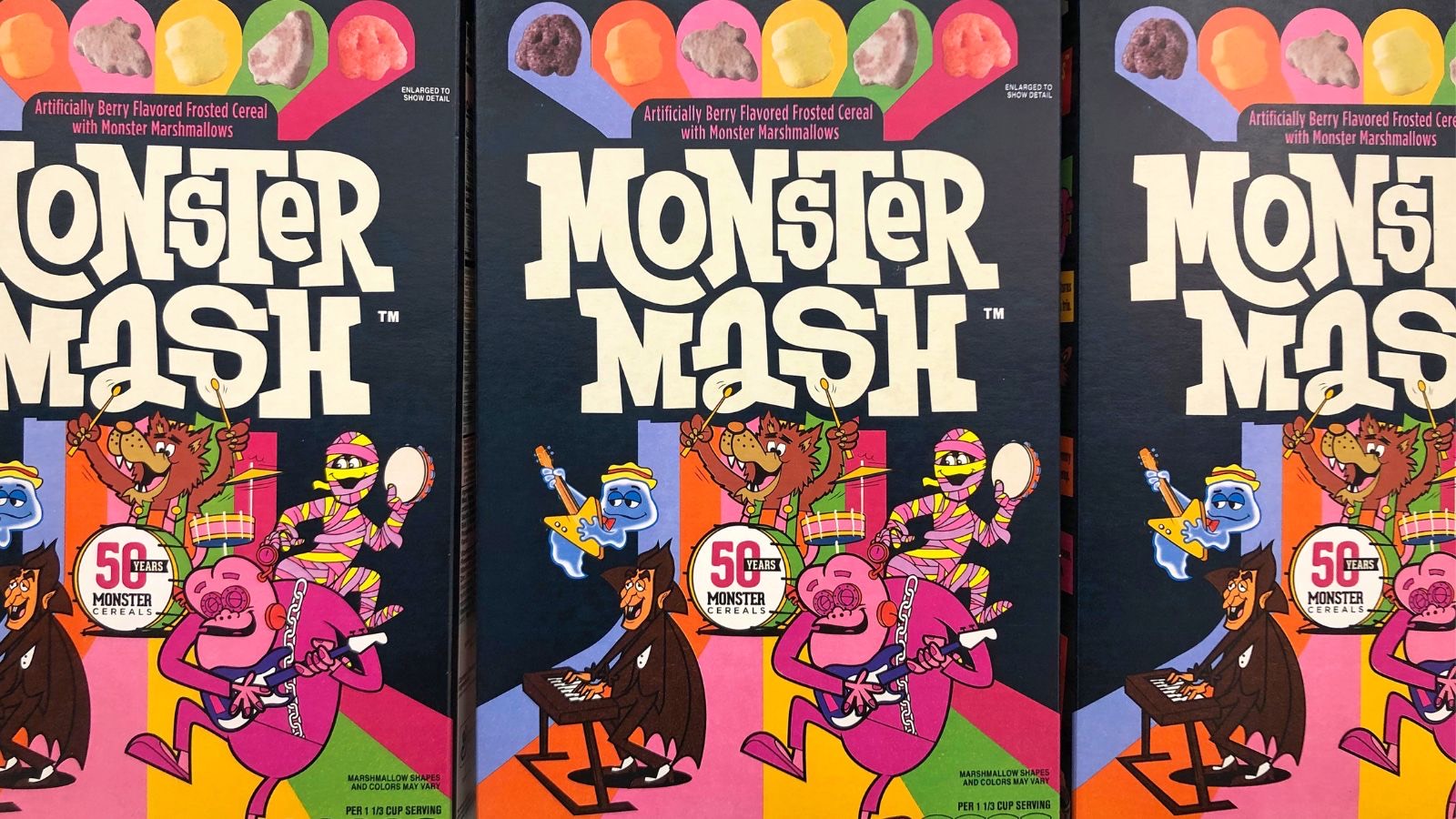
Before Boo Berry and Count Chocula became Halloween staples, General Mills had a werewolf. Fruit Brute was introduced in 1974 as part of the company’s “monster cereals” lineup, joining Count Chocula and Franken Berry. The mascot was a goofy, friendly werewolf, and the cereal had fruit-flavored pieces with marshmallows.
Fruit Brute never caught on the way its siblings did and was discontinued in the early 1980s. It was later replaced in the monster lineup by Fruity Yummy Mummy in the late 1980s. In recent years, General Mills has occasionally brought Fruit Brute back as a limited-edition seasonal cereal, much to the delight of fans who remembered the werewolf from their childhood.
5. Crazy Cow
Crazy Cow, introduced by General Mills in the late 1970s, had one of the most unusual gimmicks in cereal history. The cereal came in chocolate and strawberry flavors and was coated with a powder that dissolved in milk, turning it into chocolate or strawberry milk. The mascot was a cartoon cow who seemed to be having the time of her life.
Kids loved drinking the flavored milk left at the bottom of the bowl. Crazy Cow lasted only a few years before being discontinued, but it was an early version of the idea that later showed up in cereals marketed for their colorful or flavored leftover milk. Many people who had it still talk about that sweet chocolate milk.
6. Kream Krunch
Kream Krunch, introduced by Kellogg’s in the mid-1960s, was one of the strangest cereals ever made. It featured freeze-dried cubes of ice cream mixed with oat rings, and its colorful box and TV ads promised a cold, creamy treat in every bowl. It sounded like every kid’s dream breakfast.
The reality wasn’t quite as delicious. The freeze-dried ice cream bits reportedly had trouble holding up, and the cereal didn’t last long on store shelves. It was quickly discontinued, and today it’s remembered as one of the oddest experiments of the space-age era, when freeze-dried foods felt futuristic and exciting.
7. Pink Panther Flakes
In the early 1970s, Post introduced Pink Panther Flakes, a frosted corn flake cereal that was, of course, bright pink. The mascot was the Pink Panther himself, the cool, silent cartoon cat made famous by the opening credits of the “Pink Panther” movies and his own animated series.
The pink flakes were eye-catching, but they didn’t win over enough fans to stay in stores. The cereal was discontinued after a short run. Like many licensed cereals of the era, it depended heavily on the popularity of the character, and when the novelty wore off, so did sales. Today, an original box is a prized find for collectors.
Why So Many Mascot Cereals Disappeared
Cereal companies in the 1960s and 1970s launched new products constantly, hoping to find the next big hit. They relied heavily on television ads during Saturday morning cartoons, where catchy mascots could grab kids’ attention. But only a few cereals managed to build lasting loyalty, and the rest were pulled after a year or two.
Changing rules also played a role. In the 1970s, consumer groups and federal regulators began looking more closely at advertising aimed at children and the sugar content of kids’ cereals. Companies became more careful with new launches, and some of the wildest ideas never made it past the test kitchen.
The Nostalgia Lives On
Even though these cereals are long gone, they still have devoted fans. Collectors pay high prices for original boxes, and online forums are full of people sharing memories of their favorite forgotten mascots. Some brands have even brought back old favorites for limited runs to tap into that nostalgia.
For many people, these cereals are tied to the simple joy of Saturday morning habits that families shared in the 1960s and 1970s. A bowl of cereal, a stack of cartoons and a goofy mascot on the box were all it took to make the weekend feel special. If you remember any of these, you were part of one of the most creative eras in breakfast history.