9 Victorian Dinner Rules That Sound Ridiculous Today
Today, a dinner party might mean takeout on the coffee table, a casual potluck or a backyard barbecue with paper plates. But in the Victorian era, dinner was a carefully staged performance with rules for nearly everything. Guests were expected to know exactly where to sit, which fork to use and what topics were safe to discuss, and a single mistake could become gossip for weeks.
The Victorian period, named for Britain’s Queen Victoria, who reigned from 1837 to 1901, shaped manners on both sides of the Atlantic. Wealthy American families copied British customs closely, and etiquette books became bestsellers. Middle-class families tried to follow along too, hoping to show that they knew how to behave in polite society.
Some of these rules still influence formal dinners today, but many sound downright silly now. Here are Victorian dinner rules that would make most modern diners laugh, or at least raise an eyebrow.
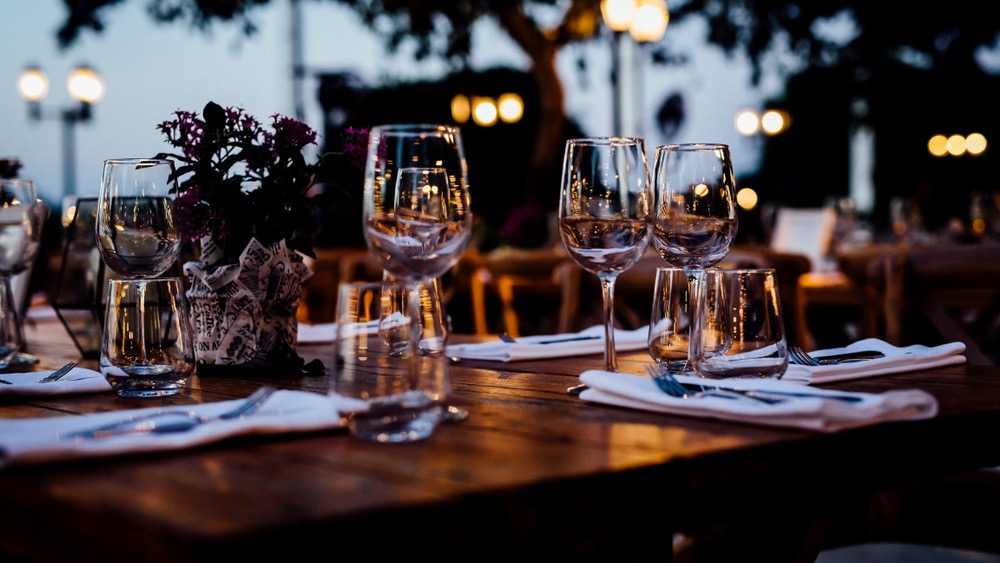
1. Guests Entered the Dining Room in Strict Order
At a formal Victorian dinner, guests didn’t simply wander to the table. They marched in pairs according to rank. The host escorted the most important woman present, and the hostess entered last with the most important man. Every other guest was paired and placed in order based on social standing, age and marital status.
Hosts spent hours figuring out these pairings, and getting it wrong could insult a guest. Etiquette guides offered detailed advice on who outranked whom. Today, most hosts are happy if guests simply find their seats and don’t spill the wine.
2. You Never Spoke to the Person Across the Table
Victorian etiquette often held that conversation should be directed only to the people seated on either side of you. Talking across the table was considered loud and improper, especially at large dinners. Some hosts even followed a custom of “turning the table,” where everyone switched which neighbor they spoke to between courses.
That meant you might spend an entire course chatting with someone you found dull, just because the rules required it. Modern diners tend to talk with whoever is nearby and laugh across the table freely, a habit that would have shocked a Victorian hostess.
3. Dinner Could Have a Dozen Courses or More
Formal Victorian dinners were known for their length. A grand meal might include soup, fish, several meat dishes, game, salads, desserts, fruit and more. The style known as service à la russe, where dishes were brought out one course at a time by servants, became fashionable during the era.
Guests were expected to take at least a small portion of each course, even if they weren’t hungry. Leaving too early or refusing too many dishes could seem rude. By the end of the evening, diners had often been at the table for several hours, a far cry from today’s quick weeknight dinners.
4. There Was a Utensil for Everything
The Victorians loved specialized silverware. Wealthy households owned forks, spoons and knives designed for specific foods, including oyster forks, fish knives, berry spoons, ice cream forks and even special utensils for sardines and asparagus. A formal place setting could include a dazzling row of silverware.
Guests were expected to know which piece to use for each course, usually working from the outside in. Using the wrong fork was a social blunder. Many families today own one set of everyday silverware and maybe a special set for holidays, and few people could identify a pickle fork if they saw one.
5. Ladies Left the Table After Dessert
At the end of a formal dinner, the hostess would signal that it was time for the women to leave. The ladies retired to the drawing room for coffee or tea and conversation, while the men stayed behind at the table for port, cigars and talk of politics and business. After a while, the men would rejoin the women.
This custom lingered well into the 20th century in some circles. Today, the idea of splitting guests by sex after dinner seems outdated to most people. Modern dinner parties tend to keep everyone together, and the best conversations often happen around the kitchen island while the dishes soak.
6. Gloves Had Their Own Rules
Victorian women often wore long gloves to formal dinners, but they couldn’t keep them on while eating. Etiquette required that gloves be removed once seated at the table and placed on the lap, under the napkin. They were put back on after the meal.
Getting it wrong was considered careless. Eating with gloves on was seen as improper, while leaving them on the table was untidy. Today, gloves at dinner are mostly limited to costume parties and very formal events, and few people would know what to do with them.
7. Certain Topics Were Strictly Off Limits
Polite Victorian conversation avoided many subjects. Money, religion, politics, illness and anything considered unpleasant or indelicate were generally off the table, at least in mixed company. Guests were expected to keep the conversation light, pleasant and agreeable.
Some of that advice still holds up today, especially at holiday dinners where politics can spark arguments. But Victorian rules went much further, discouraging even mild disagreement. A guest who brought up a controversial topic risked being seen as poorly raised.
8. You Couldn’t Ask for Seconds
At many formal Victorian dinners, asking for a second helping was frowned upon. Servants handled the portions, and guests were expected to accept what they were given. Since there were so many courses, it was assumed that nobody would leave hungry anyway.
It’s a far cry from today’s family dinners, where going back for more mashed potatoes is practically a compliment to the cook. At holiday tables, second helpings are often expected, and hosts may be disappointed if guests don’t ask for more.
9. Finger Bowls Were a Test of Manners
At the end of a formal meal, guests might be presented with a small bowl of water, sometimes with a slice of lemon or flower petals floating in it. This was a finger bowl, meant for rinsing the fingertips before dessert. Guests dipped their fingers lightly and dried them on their napkins.
Finger bowls were a classic test of good breeding. Stories, possibly exaggerated, circulated about guests who mistakenly drank from them. Today, most people only encounter finger bowls at very formal restaurants, if at all, and moist towelettes have taken over the job for barbecue and seafood.
Why Victorians Loved So Many Rules
The Victorian era was a time of rapid social change. The Industrial Revolution created new wealth, and many families rose into the middle and upper classes for the first time. Following strict etiquette was one way to show that you belonged, and that you had the manners to match your money.
Etiquette books were hugely popular, offering guidance on everything from dinner parties to calling cards. Mastering these rules was seen as a mark of refinement and respectability, especially for women, who were often responsible for running the household and hosting guests.
What Still Survives
Some Victorian customs have lasted into modern times. We still often set the table with forks on the left and knives on the right, place napkins on our laps and wait for the host to begin eating. Thank-you notes after a dinner party, and guidance like these rules for holiday houseguests, are holdovers from the same era of careful manners.
Most of the stricter rules, however, have faded away, and few people miss them. Modern dinners tend to be more relaxed and welcoming, focused on good food and good company rather than rigid ceremony. Still, a little Victorian polish, like sending a gracious thank-you, never goes out of style.