9 Modern Habits Older Americans Say Have Made People Ruder
Ask older Americans whether people are less polite than they used to be, and many will answer with a firm yes. They remember a time when people held doors, said “please” and “thank you” without being reminded, wrote thank-you notes and kept their voices down in public. Today, many feel those everyday courtesies are disappearing.
Some of the blame goes to technology, which has changed how people talk, listen and pay attention. Some goes to busier lives, bigger cities and a culture that values speed over manners. Many younger people feel it too, but older adults, who remember how things used to be, notice the change most. Here are nine modern habits older Americans say have made people ruder.

1. Staring at Phones During Conversations
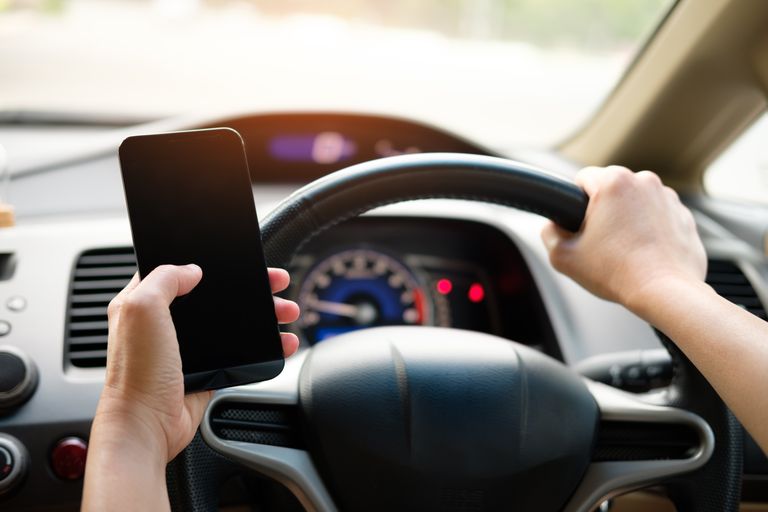
This is the complaint older Americans mention most. People check their phones while talking, scroll during dinner and text in the middle of conversations. To many older adults, it feels like the other person is saying, “You’re not important.”
Older generations grew up giving people their full attention. Looking someone in the eye and listening was basic respect. Many say watching someone half-listen while looking at a screen is one of the rudest habits of modern life.
2. Talking on Speakerphone in Public
Many older Americans say they’re tired of hearing other people’s phone calls, videos and music in waiting rooms, restaurants, stores and buses. Speakerphone conversations and videos played out loud have become common.
Older adults remember phone booths, private calls and keeping your voice down in public places. They see blasting a conversation for everyone to hear as inconsiderate. Many wish there were stronger unwritten rules about phone use in shared spaces.
3. Not Saying Thank You
Older Americans often notice when people don’t say thank you, whether it’s for holding a door, giving a gift or offering help. Many say they hold doors for younger people who walk through without a word.
Thank-you notes, once a standard part of etiquette, have also become rare. Many grandparents say they send gifts and never hear whether they arrived. A quick thank-you, they say, costs nothing and means a lot.
4. Texting Instead of Calling
Many older adults feel that texting has replaced real conversation. Important news, apologies and even invitations now arrive by text. Some say they feel brushed off when someone texts instead of calling.
Younger people often see texting as more convenient and less intrusive. But older Americans say a phone call shows effort and care. Many miss the days when people called to check in, wish a happy birthday or simply chat.
5. Arriving Late Without an Apology
Older generations grew up believing that being on time was a sign of respect. Showing up late to a dinner, appointment or event without calling ahead was considered rude.
Many older Americans say lateness has become normal. People text “running late” at the last minute, or don’t say anything at all. To older adults, it feels like other people’s time no longer matters.
6. Wearing Pajamas and Sweats Everywhere
Older Americans remember dressing up to go to the store, to church, to travel on an airplane and to eat at a restaurant. Today, many see people in pajama pants, sweats and slippers in public places.
While comfort is understandable, many older adults see sloppy dress as a sign that people no longer care about making an effort. They believe dressing appropriately shows respect for others and for the occasion.
7. Not Responding to Invitations
RSVPs have become a sore spot for many hosts. Older Americans who plan parties, weddings or family gatherings often say guests don’t reply, reply at the last minute or say yes and never show up.
Older generations were taught that responding to an invitation was basic courtesy. Not replying makes planning difficult and can leave hosts feeling disrespected. Many say this habit has gotten noticeably worse in recent years.
8. Ghosting People
“Ghosting,” or suddenly cutting off contact without explanation, is a newer term, but older adults say the behavior has become common. Friends, family members and even job applicants stop responding without a word.
Older Americans say they were taught to have hard conversations directly, even if they were uncomfortable. Disappearing without explanation feels cold and cowardly to many of them. They believe people deserve at least a simple explanation.
9. Interrupting and Talking Over Others
Many older adults say people interrupt more often than they used to, both in person and online. Conversations have become louder and more competitive, with people more focused on making their own point than listening.
Older generations remember being taught to wait their turn to speak. They believe good conversation involves listening, asking questions and letting others finish. Many feel the art of polite conversation is fading.
Why Manners Matter to Older Generations
For older Americans, manners aren’t just about rules. They’re about showing respect, kindness and consideration for others. Small courtesies like saying please, holding doors and listening carefully help people feel valued.
Many older adults also believe manners keep communities strong. When people treat each other with respect in small ways, it’s easier to get along in bigger ways too. Many miss the old-school etiquette rules that once guided everyday life.
Not Every Young Person Is Rude
Of course, older Americans also recognize that many young people are polite, kind and respectful. Every generation has its share of rude people, and older adults sometimes forget their own generation’s faults.
Younger generations often point out that they have their own forms of courtesy, like sending a quick text before calling or being careful about others’ feelings online. Manners change over time, and what seems rude to one generation may feel normal to another. Still, many older Americans hope a few old-fashioned courtesies make a comeback.
Some older adults also mention littering, cutting in line and loud cell phone ringtones in quiet places like churches and libraries. Each one is small on its own, but together, they say, these habits make public spaces feel less pleasant for everyone.
Small Changes Can Make a Big Difference
The good news is that politeness doesn’t take much effort. Putting the phone away during conversations, saying thank you, responding to invitations and showing up on time are simple habits anyone can practice.
Older Americans say they notice and appreciate these small gestures. And when people of every age make an effort to be courteous, everyday life becomes a little more pleasant for everyone. As one common saying goes, manners cost nothing but mean everything. Many people who give compliments freely already know that kindness is contagious.