9 Foods That Used to Fill a Whole Aisle and Now Take Up One Shelf
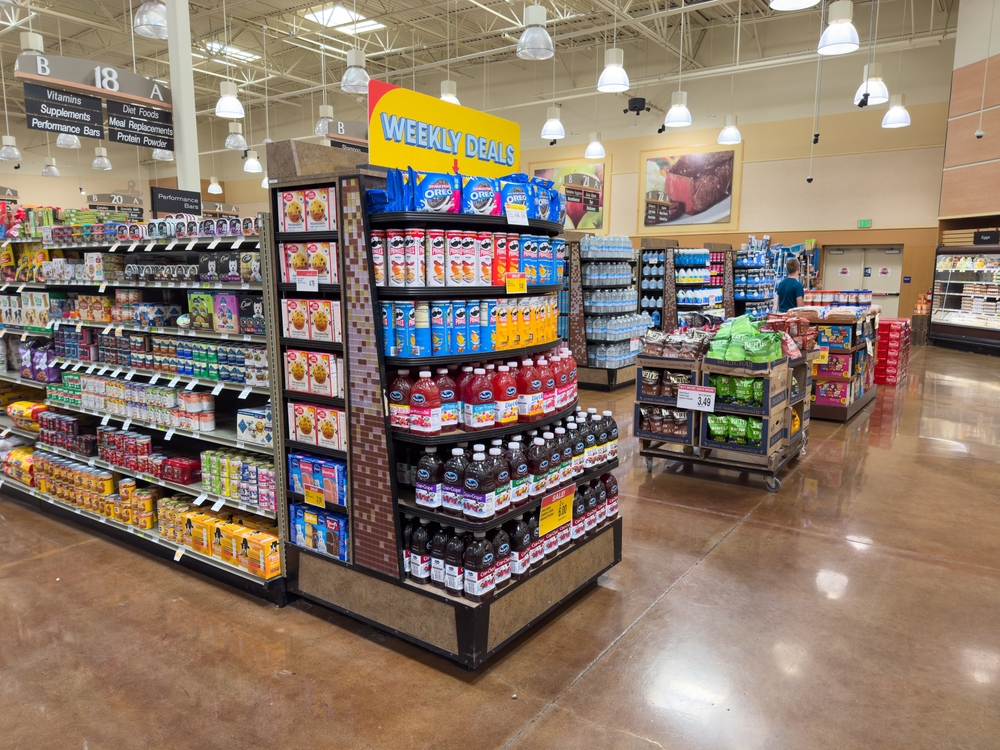
Walk through a grocery store today and you’ll notice something if you’ve been shopping for a few decades. Some sections have exploded in size, like the snack aisle, the frozen food cases and the wall of sparkling water. Others seem to have shrunk year after year until they barely fill a single shelf.
Grocery stores are constantly rearranging their space based on what sells. When shoppers stop buying something, the store gives its space to newer, more popular products. Over time, some foods that were once kitchen staples in nearly every American home have been squeezed into smaller and smaller spots.
If you remember grocery shopping with your mother in the 1960s or 1970s, many of these will feel familiar. Here are foods that used to take up big chunks of the grocery store and now often fit on one shelf, or less.
1. Gelatin Desserts
In the mid-20th century, flavored gelatin was everywhere. Brands like Jell-O offered a rainbow of flavors, and home cooks used it for molded salads, layered desserts and quick treats for the kids. Cookbooks from the 1950s and 1960s were filled with gelatin recipes, from lime salads with shredded carrots to strawberry pretzel delights.
Gelatin desserts are still sold, but the selection is much smaller in many stores. Molded salads have mostly faded from family dinners, and fewer people make gelatin from scratch. Ready-made gelatin cups have taken over some of that space, but the colorful wall of boxes many people remember has shrunk considerably.
2. Canned Meats
There was a time when the canned meat section was a serious part of the grocery store. Shoppers could choose from deviled ham, Vienna sausages, potted meat, corned beef hash, canned chicken, tongue and more. These products were convenient, shelf-stable and affordable, which made them popular with families on a budget.
Today, the canned meat section is usually much smaller. Some products like Spam and canned tuna remain popular, but many others have become harder to find. Fresh and refrigerated convenience foods have taken over much of the role canned meats once played in quick meals and sandwiches.
3. Lard and Shortening
Grandma’s pantry almost always included a big can of shortening or a block of lard. These fats were essential for pie crusts, biscuits, fried chicken and countless baked goods. Grocery stores used to stock several brands and sizes to meet the demand.
As tastes and cooking habits changed, many home cooks switched to butter, vegetable oils and nonstick sprays. Lard in particular fell out of favor for decades. While some cooks still swear by it for flaky pie crusts, the shelf space devoted to lard and shortening is now a fraction of what it once was in many stores.
4. Powdered Drink Mixes
In the 1970s and 1980s, powdered drink mixes were a summertime staple. Kids grabbed packets of Kool-Aid in every flavor, and families bought big canisters of lemonade mix and orange drink powder. Tang, famous for its connection to the space program, was a breakfast favorite in many homes.
Powdered drinks are still sold, but bottled water, sports drinks and ready-to-drink beverages have taken over much of their space. Many stores now carry only a few flavors, and the brightly colored display that once lined an aisle has shrunk to a small section near the juices.
5. Evaporated and Condensed Milk
Canned evaporated milk and sweetened condensed milk were once kitchen essentials. Before refrigerators were common in every home, canned milk was a practical way to keep milk on hand. Later, cooks used it in everything from fudge and pumpkin pie to creamy casseroles and coffee.
These products are still sold, especially around the holidays when people bake more. But for most of the year, they take up a smaller space in the baking aisle. Fresh milk, plant-based milks and coffee creamers now fill much of the space that canned milk once held.
6. Hot Cereals
Hot cereals used to fill a substantial section of the cereal aisle. Families could choose from oatmeal, cream of wheat, farina, malt-o-meal, grits and other warm breakfasts. On cold winter mornings, a steaming bowl of hot cereal was a standard way to start the day.
Oatmeal remains popular, especially instant packets, but many other hot cereals have become harder to find. Some stores carry only one or two kinds of farina or grits. Busy mornings and a wider range of breakfast options have pushed many hot cereals to a single shelf.
7. Canned Fruit Cocktail and Canned Fruit
Fruit cocktail, canned peaches and canned pears were once common in lunchboxes, desserts and holiday salads. Grocery stores carried a wide range of brands, syrups and sizes. Canned fruit was especially popular in winter, when fresh fruit was harder to find and more expensive.
Today, fresh fruit is available year-round in most stores, and many shoppers prefer it. Single-serve fruit cups have replaced some of the larger cans. As a result, the canned fruit section has shrunk in many stores, though it still has loyal fans who love a bowl of cold canned peaches.
8. Baking Chocolate and Specialty Baking Supplies
At one time, the baking aisle was one of the largest in the store. Home bakers needed squares of unsweetened chocolate, cake flour, baking soda, cream of tartar, food coloring, candied fruit and many other specialty items. Many families baked nearly everything from scratch.
Baking has had its revivals, especially during the holidays and in recent years, but fewer people bake from scratch every day. Boxed mixes and store-bought desserts have replaced many homemade treats. Some specialty items, like certain types of baking chocolate or candied citron, now appear mostly during the holiday season.
9. Loose and Canned Coffee in Many Varieties
Older shoppers remember when the coffee aisle was filled with large metal cans of ground coffee in many brands and blends. Shoppers often had a favorite brand they bought for decades, and many grocery stores had a grinder where customers could grind whole beans on the spot.
The coffee aisle hasn’t disappeared, but it has changed dramatically. Single-serve pods, cold brew, specialty bags and coffee shop drinks now take up much of the space. The classic big cans of ground coffee are still around, but they share the shelf with dozens of newer products.
Why Grocery Store Space Keeps Changing
Grocery stores have limited space, and every shelf has to earn its keep. Stores track sales closely, and products that don’t sell well get less room or are dropped entirely. Meanwhile, popular items like snacks, frozen meals and specialty drinks get more space.
Changing lifestyles have played a big role. More people work long hours, cook less from scratch and look for convenient foods. Health trends and new products also shape what ends up on store shelves. Over the decades, those shifts have transformed the layout of the average American supermarket.
A Trip Down Memory Lane
For older shoppers, these changes can feel bittersweet. A trip to the grocery store used to mean picking up the same staples their mothers and grandmothers bought. Now some of those foods are harder to find, while new products fill the shelves. Many boomers say they’re skipping certain items at today’s prices anyway.
Still, many of these old favorites are available if you know where to look. Some can be found online, at specialty stores or in the international aisle. And for those who still keep a can of evaporated milk or a box of gelatin in the pantry, they’re a comforting reminder of how families used to cook.