47 Everyday Moments That Take Us Back to Life in 1977
Life in 1977 had a rhythm that feels very different from the one many Americans experience today. No smartphones, no social media feeds, and no instant messages. People made plans over landline telephones, waited for their favorite television programs, and often spent their evenings listening to records or talking with family members.
Disco filled dance floors, Star Wars captured movie audiences, and personal computers began to attract attention. Yet much of everyday life remained wonderfully ordinary.
For anyone who remembers the late 1970s, these 47 snapshots offer a look back at the routines, entertainment, household objects, and cultural moments that helped define 1977.
Everyday Life at Home
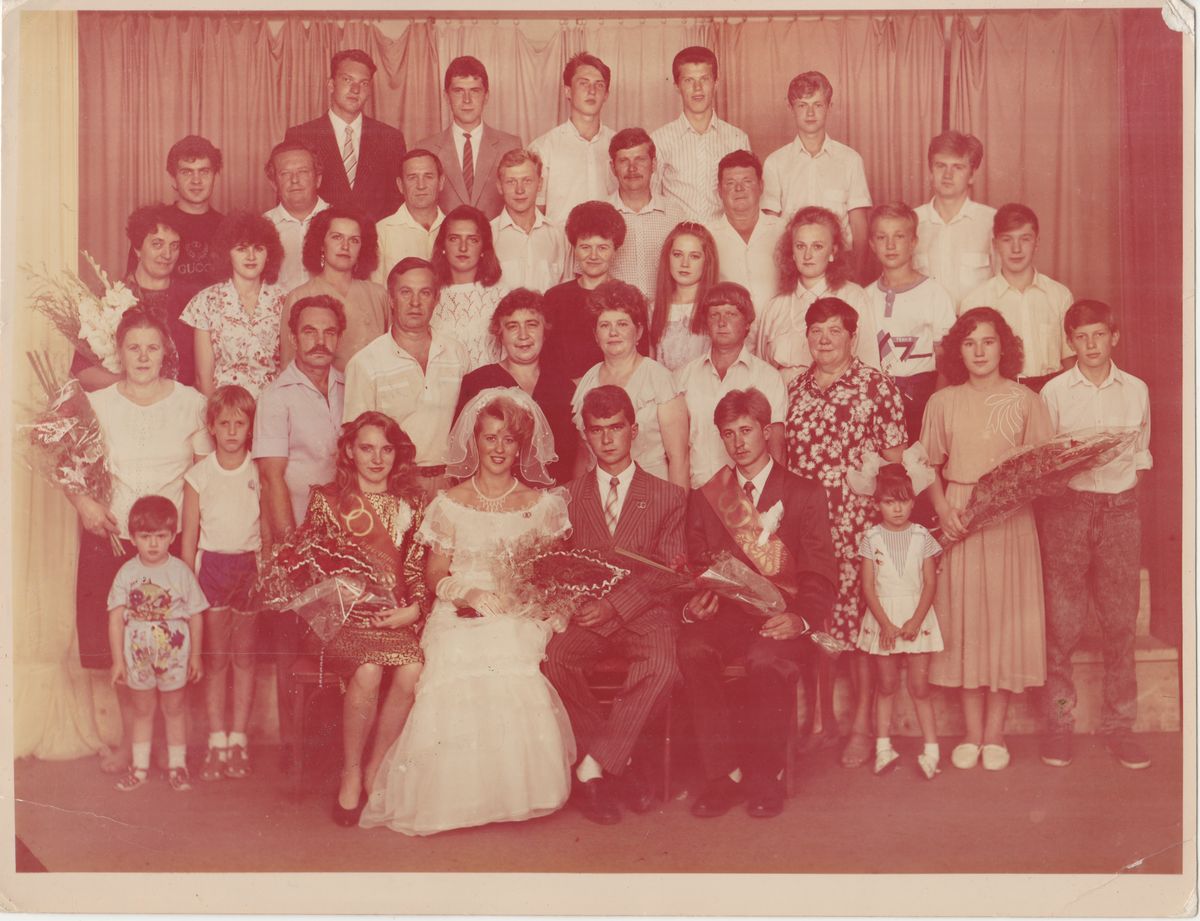
Families gathered around one television.
A television set was often the center of the living room. Families watched scheduled programs together rather than choosing from endless streaming options.
The kitchen telephone was an important household fixture.
Many families relied on a shared landline. A ringing phone could bring everyone running to see who was calling.
Related: 16 Kitchen Organization Ideas to Help You Declutter Your Space
Television schedules determined evening plans.
Missing a favorite show could mean waiting for a repeat. Recording programs at home was not yet an ordinary option for most households.
Polaroid cameras made memories feel immediate.
Instant photography allowed people to watch pictures develop shortly after taking them, making family gatherings and celebrations easier to remember.
Record players brought music into the home.
Vinyl records remained a major part of everyday entertainment. People could spend an evening playing their favorite albums without needing a digital playlist.
Family photographs filled albums.
People usually developed and arranged pictures in physical albums. Looking through old photographs often became an activity shared with relatives.
Household chores were part of the daily routine.
Washing dishes, vacuuming, ironing, and cleaning were familiar responsibilities, often divided among family members.
Fashion and Personal Style
Bell-bottom trousers were everywhere.
Flared trousers remained a recognizable fashion choice, appearing in casual outfits and more dressed-up looks.
Platform shoes made a statement.
High platforms were closely associated with disco fashion, although people wore different styles depending on their tastes.
Denim was a wardrobe staple.
Jeans were popular across generations, and denim jackets and matching outfits also appeared.
Long hair remained fashionable.
Many men and women wore longer hairstyles, while feathered looks and carefully styled hair were also popular.
Polyester clothing was common.
Synthetic fabrics appeared in shirts, trousers, dresses, and suits. They were often chosen for their convenience and distinctive appearance.
Bold patterns brightened everyday outfits.
Stripes, geometric designs, floral prints, and colorful combinations were familiar sights in late-1970s fashion.
Everyday outfits often looked more formal.
Even casual clothing could include coordinated shirts, trousers, belts, and carefully selected shoes.
Music and Entertainment
Disco music dominated many dance floors.
Artists such as Donna Summer and the Bee Gees helped make disco one of the period’s defining sounds.
Fleetwood Mac was enjoying enormous popularity.
The band’s album Rumors, released in February 1977, became one of the decade’s most successful records.
Saturday Night Fever helped bring disco culture to movie audiences.
Released in December 1977, the film became closely associated with the era’s music and dance culture.
Star Wars changed the moviegoing experience.
Released in May 1977, Star Wars introduced audiences to a science-fiction adventure that would become a major cultural phenomenon.
People visited record stores to discover music.
Browsing album covers and listening to music before buying records were familiar parts of the shopping experience.
Radio remained a major source of entertainment.
People tuned in for music, news, sports, and their favorite presenters.
Families still enjoyed board games.
Games offered an easy way to spend time together without needing a screen or an internet connection.
School, Childhood, and Growing Up
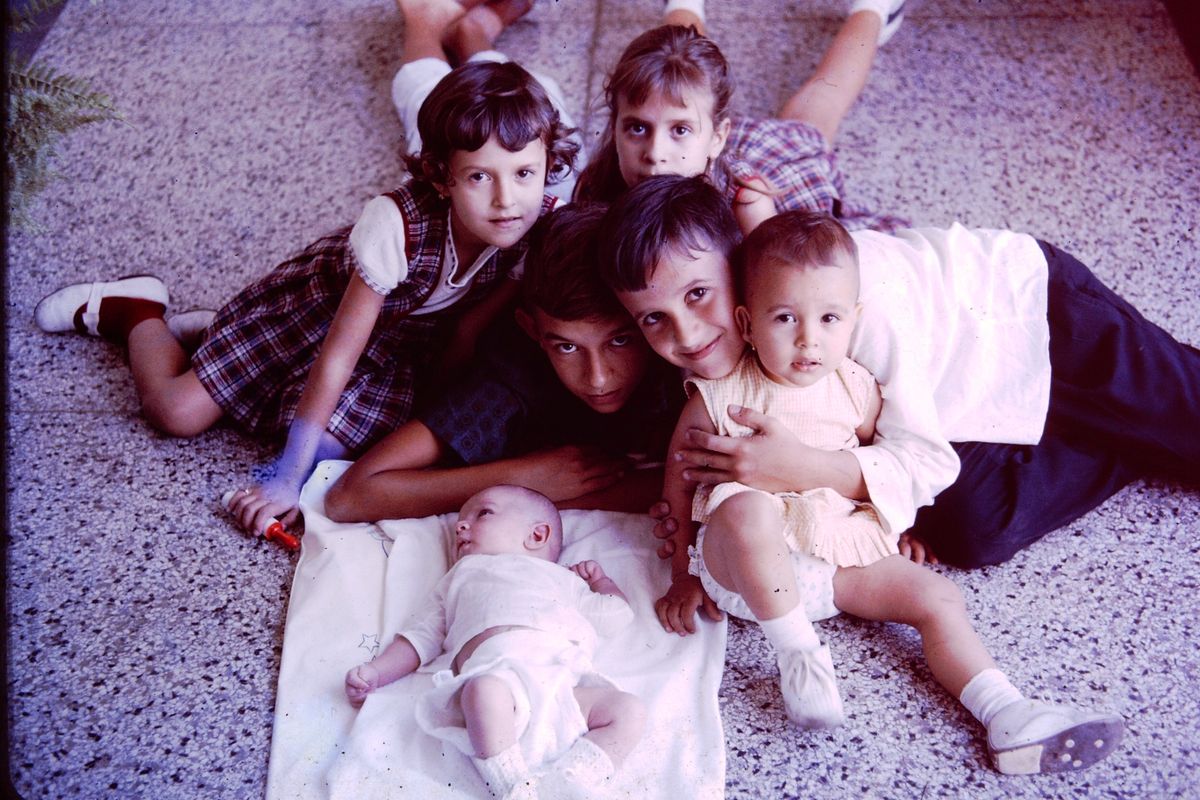
Children played outside after school.
Neighborhood streets, yards, and playgrounds provided space for games and socializing.
Big Wheels were a familiar childhood toy.
These low-riding plastic tricycles gave young children another way to race around sidewalks and driveways.
Bicycles offered a sense of independence.
For many children, riding around the neighborhood was an everyday adventure.
School assignments involved physical books and notebooks.
Students commonly researched subjects through textbooks, encyclopedias, and library materials.
Handwritten letters were still important.
People used paper and envelopes to communicate with relatives and friends who lived far away.
Birthday parties often took place at home.
Simple decorations, homemade food, cake, and traditional party games could make an ordinary afternoon memorable.
Halloween costumes were often homemade.
Families sometimes put together costumes using clothing, cardboard, fabric, and household materials.
Shopping, Travel, and Transportation
Grocery shopping meant visiting physical stores.
People walked through supermarket aisles, compared products, and carried their purchases home.
Shopping lists were written on paper.
Households tracked groceries and errands with handwritten notes rather than phone apps.
Gas stations were important stops on road trips.
Drivers pulled in to refuel, check their vehicles, and sometimes ask for directions.
Paper maps helped people find their way.
Without smartphone navigation, travelers often relied on road maps, atlases, and written directions.
Family road trips required more preparation.
Parents planned routes, packed supplies, and planned stops along the way.
Cars looked and felt different.
Large vehicles, distinctive body shapes, and chrome details were common features of American roads during the period.
Shopping malls were popular meeting places.
People visited malls to shop, eat, watch movies, and spend time with friends.
Technology and Changing Times
Personal computers were beginning to attract attention.
The Apple II, introduced in 1977, helped bring personal computing into public awareness, although home computers were still far from universal.
Related: 5 Essential Tech Skills to Master for a Successful Career in 2026
Most households lacked internet access.
The connected digital world people know today was not part of ordinary household life.
Typewriters remained useful tools.
Offices, schools, and homes used typewriters for preparing documents and correspondence.
Calculators were becoming increasingly familiar.
Electronic calculators were changing how people handled everyday calculations, although not everyone owned one.
Cameras used film.
Photographers had to think about how many pictures they took because each roll contained a limited number of exposures.
Music players were not yet pocket-sized digital devices.
People listened to records, radio broadcasts, and cassette tapes using the equipment available at the time.
Major Moments That Made 1977 Memorable
Jimmy Carter became president.
The United States began a new presidential administration in January 1977, bringing a different political direction to Washington.
The television miniseries Roots became a major event.
Its January 1977 broadcast attracted an enormous audience and sparked widespread discussion about slavery and American history.
Voyager 1 carried a message from Earth into space.
Launched in September 1977, the spacecraft carried the Golden Record, which included sounds and music intended to represent life on Earth.
Voyager 2 was also launched.
Its September 1977 launch began a remarkable mission that would eventually take the spacecraft past the outer planets.
Skateboarding continued growing in popularity.
Skateparks and skateboarding culture were becoming more visible, especially among young people.
The year combined familiar traditions with exciting changes.
From vinyl records and family television nights to personal computers and major science missions, 1977 showed a country balancing everyday routines with a changing world.
Related: 6 Family Reunion Games Everyone Will Want to Play
Why 1977 Still Feels Special
Looking back at 1977 is about more than remembering old clothes, cars, music, and household objects. It is also about recognizing how ordinary routines have changed.
People had fewer ways to communicate instantly, entertainment followed fixed schedules, and finding information often required visiting a library or asking someone who knew the answer. At the same time, families made memories through simple activities that didn’t require expensive technology.
Of course, life in 1977 wasn’t perfect, and nostalgia can make the past look simpler than it really was. But the year remains an interesting snapshot of American culture, with familiar traditions existing alongside major technological and cultural changes.
What do you remember most about 1977? Was it the music, the fashion, the cars, or simply the way everyday life felt?