7 Foods Travelers Often Can’t Bring Into the U.S.
You find a local specialty on vacation, tuck it carefully into your suitcase, and assume it should be fine to bring home. After all, it was sold in a regular shop, served at a restaurant, or handed to you during your flight.
But U.S. agricultural-entry rules do not work quite that simply. Whether a food can enter may depend on where it came from, how it was prepared, what ingredients it contains, and whether it has been commercially processed or properly documented.
Fresh, frozen, dried, canned, and processed versions of similar foods can receive very different treatment. These rules apply to travelers entering the United States, whether they are returning Americans or international visitors.
Here are seven foods worth checking carefully before they go into your luggage.
Fresh Fruits and Vegetables
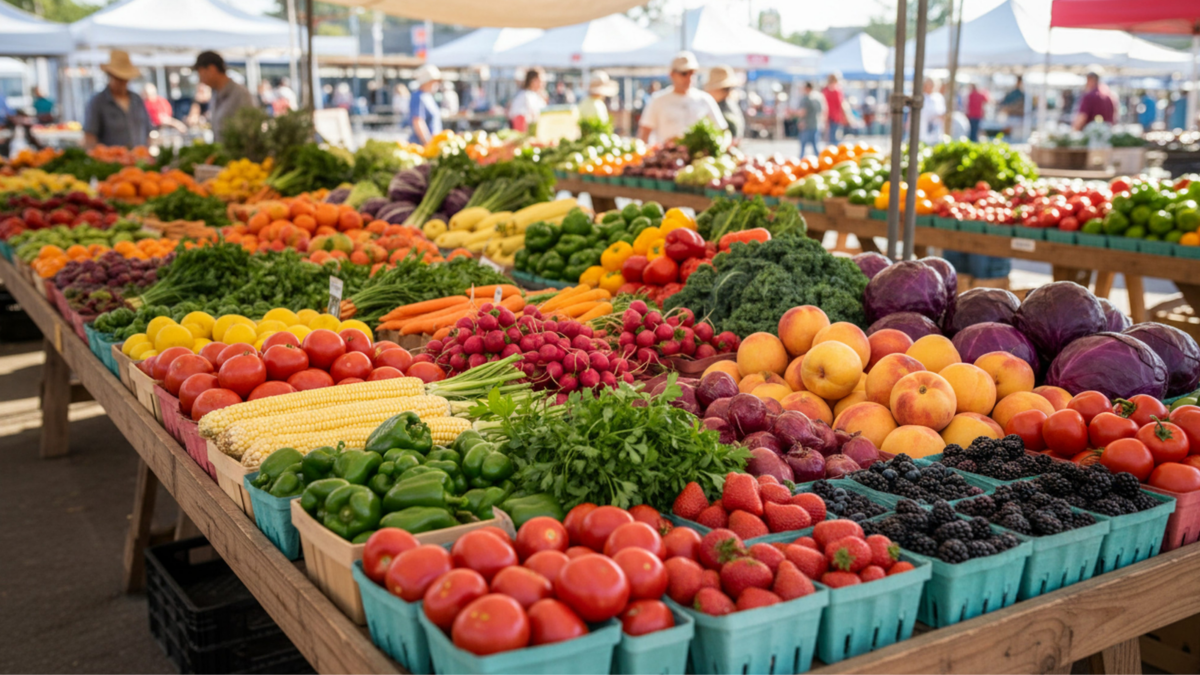
That apple you saved from the airplane snack cart may seem harmless, but it may not be allowed through.
According to USDA’s Animal and Plant Health Inspection Service, or APHIS, almost all fresh fruits and vegetables, whether whole or cut, are prohibited from entering the United States because they can introduce agricultural pests and diseases.
The rule also covers fresh produce provided aboard airplanes and cruise ships. So getting the fruit from an airline does not automatically make it acceptable to carry through the border.
There are exceptions. For example, APHIS has separate requirements for certain commercially grown Canadian produce entering through land borders, including conditions involving origin and labeling.
The practical lesson is simple: do not assume fresh produce is fine just because it came from a commercial source.
Frozen Fruits and Vegetables
Freezing produce may make it easier to transport, but it does not automatically solve the entry problem.
APHIS says almost all frozen fruits and vegetables are prohibited because some pests and diseases can survive very cold temperatures. Many types of produce that cannot enter fresh also remain restricted after freezing.
There are narrowly defined exceptions. Certain commercially packaged frozen fruits and vegetables grown in Canada may enter through land borders when specific conditions are met, including being frozen solid when presented.
So putting fresh produce in the freezer before a trip is not a general workaround.
Home-Canned Fruits and Vegetables
A jar of homemade preserves can feel like the perfect edible souvenir, especially when it comes from family. Unfortunately, homemade and commercially canned foods do not receive the same treatment.
APHIS states that home-canned fruits and vegetables are not allowed entry. The agency explains that home-canning methods can vary and may not eliminate all pest and disease risks.
Commercially canned fruits and vegetables, however, may be brought in as long as travelers declare them. That distinction matters. A factory-sealed can from a store may qualify where Grandma’s homemade jar does not.
Related: 7 Enchanting Small U.S. Towns Ideal for Senior Travelers
Certain Beef, Pork, Lamb, Goat Meat and Meat Products
Meat rules depend heavily on where the product originated.
USDA does not allow travelers to bring in most cattle, swine, sheep, or goat meat and meat products from countries affected by specified livestock diseases. APHIS’s guidance on meat, poultry, and seafood identifies conditions including foot-and-mouth disease, bovine spongiform encephalopathy, swine vesicular disease, classical swine fever, and African swine fever.
This does not mean all meat from outside the United States is prohibited. Fresh, frozen, cooked, cured, or dried meat from countries without the listed diseases may qualify when travelers have official documentation establishing its origin.
APHIS also identifies qualifying commercially processed, boneless, shelf-stable meat in unopened, hermetically sealed packaging. In other words, “cooked” or “store-bought” is not enough by itself. Origin and processing requirements still matter.
Certain European Cured Hams and Salami
A beautifully wrapped prosciutto or salami can look like an ideal food souvenir, but some versions cannot come home in passenger baggage.
APHIS specifically says cured hams, including prosciutto, Serrano ham, and Iberian ham, along with salami from areas within France, Germany, Italy, and Spain, may not be brought into the United States by travelers.
The wording matters here. This is not an unsupported claim that every cured ham from every part of those countries is universally prohibited.
These products may also reach the United States through approved commercial shipments that meet additional certification and documentation requirements. What can arrive through commercial import channels is not necessarily something a traveler can place in a suitcase.
Most Dried Fruits and Vegetables
Drying food can make it shelf-stable, but it does not automatically make it acceptable at the border. APHIS says most dried fruits and vegetables cannot enter the United States without meeting special requirements intended to prevent the introduction of pests and diseases.
There are important exceptions. The agency lists dried beans, dates, figs, nuts other than chestnuts or acorns, okra, peas, raisins, and Szechwan peppercorns as generally allowed.
Travelers still need to declare these foods and present them for inspection. So “dried” should not be treated as a universal green light. Some familiar products qualify, while others may face additional requirements.
Related: Things RV travelers still do even though they’re no longer legal
Meat-Filled Mooncakes
Mooncakes are a good example of why ingredients can matter as much as the name of the food.APHIS’s guidance on milk, dairy, and egg products states that mooncakes containing meat are not allowed in passenger baggage.
Other varieties can receive different treatment. Mooncakes without meat, egg, or egg yolk may enter. Versions containing egg or egg yolk are allowed when they appear thoroughly cooked throughout. If the egg or egg yolk does not appear thoroughly cooked, the mooncakes are not allowed.
So it would be inaccurate to say that mooncakes as a whole are prohibited. What is inside them determines the answer.
What Travelers Should Do Before Packing Food
Travelers entering the United States must declare agricultural products, including items in checked baggage, carry-on luggage, and vehicles. Declaring food does not guarantee that it will be admitted. Inspectors make that decision based on the applicable requirements.
APHIS says travelers who declare all their agricultural products will not face penalties if an inspector ultimately determines that an item cannot enter.
Keeping receipts and original packaging can also help establish where a product came from. For eligible meat products, documentation may include a package label, sales receipt, travel documents, or a certificate of origin. Documentation can help prove eligibility, but it cannot override a prohibition.
Because disease-related restrictions can change with the status of a country or region, travelers should also check current APHIS guidance before traveling.
A food may be familiar, cooked, dried, frozen, commercially packaged, or legally sold overseas and still face restrictions at the U.S. border. When in doubt, declare it and check the current requirements before packing.