7 Christmas Breads Immigrant Grandmothers Baked Every December
For millions of American families, Christmas smelled like yeast, butter and spice. Grandmothers who came from Italy, Germany, Poland, Sweden, Greece and other countries brought their holiday bread recipes with them, often written in their native language or carried only in memory. Every December, their kitchens filled with dough rising under clean dish towels.
These breads were about more than food. They connected families to the villages and traditions their grandparents left behind. Kneading dough together, braiding loaves and waiting for them to come out of the oven became cherished rituals that kids remembered long after they grew up.
Some of these breads are now sold in supermarkets every holiday season. Others are still made mostly at home by families determined to keep Grandma’s recipe alive. Here are the Christmas breads immigrant grandmothers baked every December.
1. Panettone From Italy
Panettone is a tall, dome-shaped sweet bread from Milan, studded with candied orange peel, citron and raisins. It’s light and airy, thanks to a long rising process that can take days. Italian grandmothers often bought it from a trusted bakery, while some ambitious bakers made it at home.
Today, panettone is sold in colorful boxes in grocery stores all over the country every December. Italian American families serve it with coffee on Christmas morning, give it as gifts and turn leftovers into French toast or bread pudding. For many, the boxes stacked by the front door are a sure sign the holidays have arrived. Some families still keep the empty boxes for storing ornaments.
2. Stollen From Germany
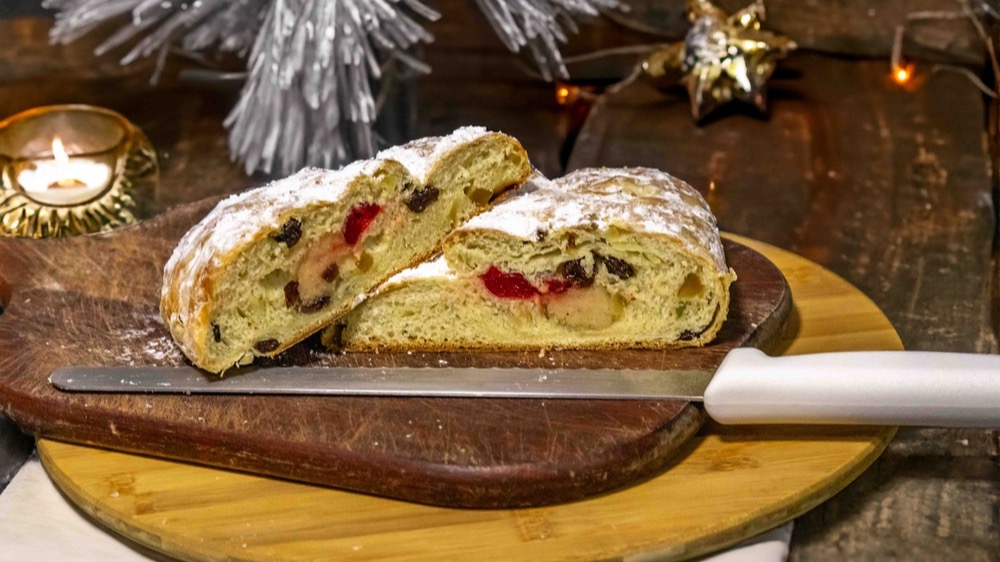
Stollen is a dense, buttery loaf filled with dried fruit, candied peel and sometimes marzipan, then dusted heavily with powdered sugar. Its shape and white coating are said to represent the baby Jesus wrapped in swaddling clothes. The most famous version comes from Dresden, Germany.
German grandmothers often baked stollen weeks before Christmas, since it gets better as it ages. They wrapped the loaves tightly and stored them in a cool place until the holidays. Many German American families still slice it thin and serve it with coffee throughout the season.
3. Potica From Slovenia
Potica (pronounced po-TEET-sa) is a rolled bread with a sweet walnut filling, swirled in a spiral so every slice shows a beautiful pattern. It’s a beloved holiday tradition in Slovenia and among Slovenian American families, especially in places like Minnesota, Pennsylvania and Ohio.
Making potica is a labor of love. The dough is rolled out so thin that you can sometimes see the pattern of the tablecloth through it, then spread with filling and rolled up. Many families gather to make it together, with grandmothers teaching the younger generation exactly how thin to stretch the dough.
4. Christopsomo From Greece
Christopsomo, meaning “Christ’s bread,” is a round, fragrant loaf flavored with spices like cinnamon, cloves and orange zest. Greek grandmothers decorate the top with a cross made of dough and sometimes add walnuts in the center. It’s traditionally baked on Christmas Eve.
In many Greek families, baking christopsomo is considered a sacred task. Some grandmothers say a prayer while they knead. The bread is placed at the center of the table on Christmas, and the head of the household often blesses it before slicing.
5. Vánočka From the Czech Republic
Vánočka is a braided sweet bread made with butter, eggs, raisins and almonds. It’s traditionally made of several braids stacked on top of each other, which can make it tricky to bake without it leaning or falling apart. Czech grandmothers took great pride in a tall, straight loaf.
Old superstitions surrounded the baking, with some families believing a cracked or crooked loaf was bad luck for the coming year. Czech American families in places like Texas, Nebraska and Iowa still bake vánočka every Christmas, often using recipes brought over generations ago.
6. Julekake From Norway
Julekake is a Norwegian Christmas bread flavored with cardamom and filled with raisins and candied fruit. The warm, fragrant scent of cardamom is what many Norwegian Americans remember most about their grandmothers’ kitchens in December.
The bread is often served sliced with butter or brown goat cheese, called brunost. In Scandinavian communities in the Upper Midwest, especially Minnesota, North Dakota and Wisconsin, julekake is still a favorite at church bazaars and holiday open houses. Many families make several loaves to give to neighbors. A warm loaf wrapped in a towel and left on a doorstep is still one of the friendliest holiday traditions in small Midwestern towns.
7. Makowiec From Poland
Makowiec is a Polish poppy seed roll, with a dark, sweet filling of ground poppy seeds, honey, raisins and nuts rolled up inside a soft yeast dough. Sliced, it shows a striking spiral of black and white. It’s a traditional part of Christmas Eve, called Wigilia, in Polish homes.
Polish grandmothers often spent hours grinding poppy seeds for the filling before electric grinders made it easier. Polish American bakeries in cities like Chicago, Detroit, Buffalo and Pittsburgh sell makowiec every December, but many families still insist homemade is best.
Recipes That Crossed an Ocean
Many immigrant grandmothers arrived in America with little more than a suitcase, but they carried their recipes in their hearts. Some recipes were never written down at all. Grandmothers measured flour by the handful and judged the dough by feel, which made it hard for younger family members to copy.
As families became more American over the generations, some of these baking traditions faded. Busy schedules and store-bought bread replaced long afternoons of kneading. But many grandchildren have made a point of learning the recipes before it was too late, often recording their grandmothers as they baked.
Keeping the Tradition Alive
Today, these Christmas breads are enjoying a revival. Panettone and stollen are easy to find in stores, and many home bakers are trying their hands at potica, makowiec and julekake. Online communities share tips and family recipes, helping new generations reconnect with their heritage.
If your grandmother baked a special bread every Christmas, consider asking her to teach you, or dig out her recipe card and give it a try. Even if your loaf doesn’t turn out perfectly, you’ll be keeping alive a tradition that crossed an ocean. And there’s nothing quite like the smell of holiday bread to make a house feel like home.