8 Things Your Kid Does That Are More Harmful Than You Think
As parents, we often worry about the obvious risks to our children’s health, like the dangers of smoking or neglecting hygiene, but sometimes, the habits that can have the most profound effects on their well-being are the ones we overlook. Children are vulnerable to long-term health issues arising from seemingly harmless behaviors. This article will explore eight seemingly innocent things your child might be doing that could have harmful effects in the long run.
Excessive Screen Time
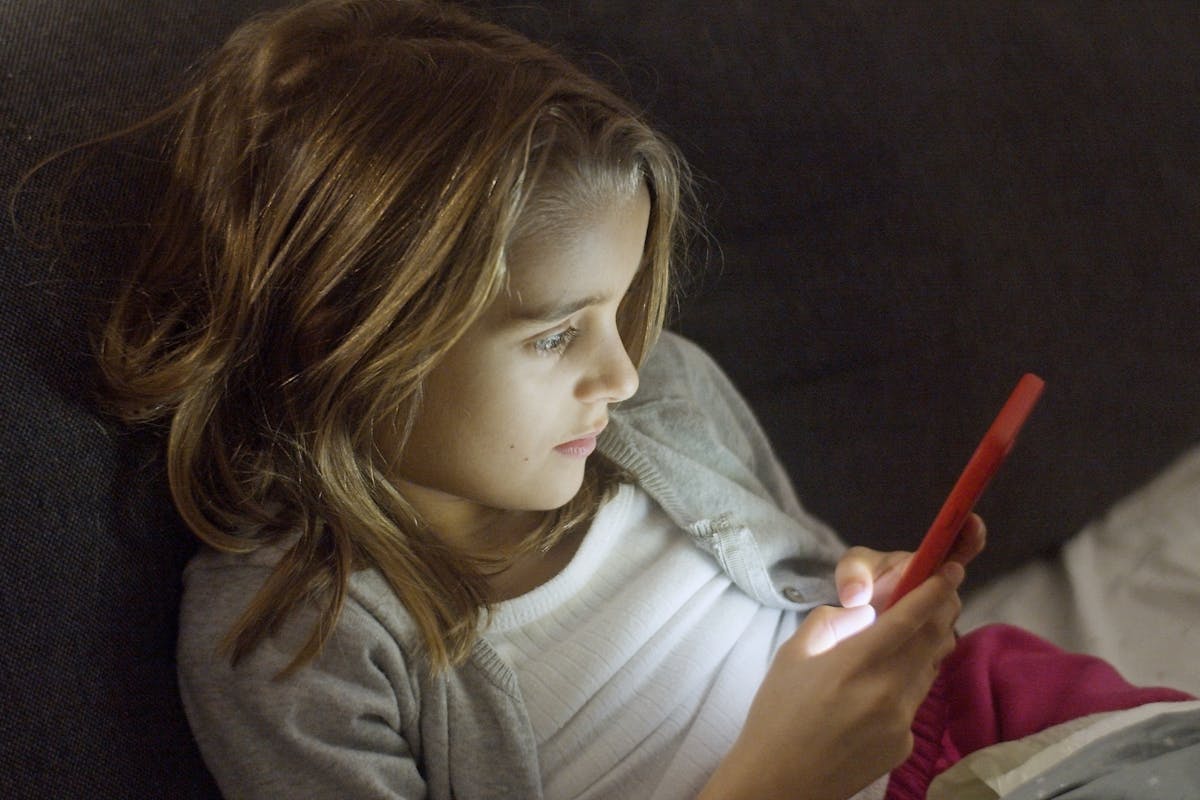
In today’s digital age, it’s hard to avoid screen time. Kids are naturally drawn to smartphones, tablets, and televisions, often for entertainment or educational purposes. However, excessive screen exposure can lead to several issues, such as eye strain, headaches, and disrupted sleep patterns.
The American Academy of Pediatrics recommends limiting screen time to just one to two hours per day for children over the age of 2. Studies have shown that excessive screen time can negatively impact children’s mental health, leading to increased rates of depression and anxiety.
Additionally, excessive screen use interferes with physical activity, leading to a sedentary lifestyle. This can contribute to obesity, poor posture, and an increased risk of developing chronic conditions in the future.
Not Enough Physical Activity
In our fast-paced world, many children spend the majority of their day sitting, whether in school, during screen time, or doing homework. This lack of physical activity can have significant consequences on their health. Physical exercise is crucial for developing strong muscles and bones, as well as for cardiovascular health. It also plays a vital role in mental health, helping to reduce anxiety and depression.
Without enough physical activity, children are at a higher risk for obesity, diabetes, and heart disease as they grow older. It’s also important for cognitive development, as studies show that physically active children tend to perform better academically.
Poor Sleep Habits

Adequate sleep is vital for a child’s development, affecting everything from brain function to physical health. However, many kids suffer from poor sleep due to late-night screen use, overstimulation, or inconsistent bedtimes. This can result in fatigue, difficulty concentrating, and mood swings during the day.
Experts recommend that children ages 6-12 get 9-12 hours of sleep each night. Sleep deprivation can weaken the immune system and affect growth and development. In the long term, poor sleep habits may also contribute to more serious health problems, such as obesity or heart disease.
Overindulgence in Junk Food
The temptation of sugary snacks and fast food is hard to resist, and children often gravitate toward them. However, consuming too much junk food can contribute to a range of health issues, from weight gain to heart disease.
High sugar intake is especially harmful, as it can lead to insulin resistance, fatty liver disease, and even an increased risk of developing Type 2 diabetes. Fast food and processed snacks are often low in essential nutrients, depriving children of the fuel their growing bodies need.
Lack of Emotional Expression

Many children struggle with expressing their emotions, often bottling up feelings of stress, anger, or sadness. This can lead to emotional turmoil, poor mental health, and even physical symptoms such as headaches or stomachaches. Emotional expression is crucial for healthy emotional development and overall well-being.
Children who don’t express their emotions may struggle with relationships, face difficulties in school, or experience anxiety or depression. Teaching kids to identify and express their feelings in a healthy way can promote resilience and emotional intelligence.
Excessive Use of Social Media
While social media is often seen as a fun way to stay connected, excessive use can have negative effects on a child’s mental health. Studies show that constant social media use can contribute to feelings of inadequacy, depression, and anxiety in young people. Peer pressure, cyberbullying, and a distorted view of reality often exacerbate these issues. The constant need for validation through likes and comments can also harm self-esteem.
Over-Scheduling and Stress

In an effort to help children succeed, many parents sign their children up for a variety of extracurricular activities, from music lessons to sports practices. While these activities can be beneficial, over-scheduling can lead to stress, burnout, and a lack of time for relaxation. Chronic stress during childhood can have lasting effects on mental and physical health, increasing the risk of anxiety disorders, depression, and sleep problems later in life.
Ignoring Safety Protocols
It’s easy for kids to forget or ignore safety rules, especially when they’re caught up in the excitement of play. Whether it’s wearing a helmet while riding a bike or using seatbelts in the car, ignoring safety protocols can lead to serious injuries. Injuries are a leading cause of death and disability in children, and many of these incidents are preventable with proper safety measures.
Conclusion
As parents, it’s easy to overlook habits that seem innocent but can harm our children’s long-term health. From excessive screen time to poor nutrition, these hidden risks can have lasting effects. By being mindful of these behaviors and making small changes, you can help your child lead a healthier and more balanced life. Start today by addressing the habits that may be doing more harm than you think, and create a positive environment for your child to thrive in.