How Long Eggnog, Cookies and Other Holiday Treats Really Last, According to Food Safety Experts
Every December, kitchens across America fill up with more treats than anyone can eat in a week. There are tins of cookies on the counter, a carton of eggnog in the fridge, a fruitcake someone mailed from Ohio and a cheese ball left over from the office party. Somewhere around the second week of the month, the same question starts coming up at every kitchen table: is this still good?
Most families answer it the old-fashioned way, with a sniff and a shrug. That works for some foods, but not for all of them. Some holiday favorites keep for weeks with no trouble at all, while others turn risky in just a few days, even when they look and smell perfectly fine.
Food safety agencies like the USDA and the FDA have clear guidance on many of these foods, and the rules are simpler than most people expect. Here’s how long the most common holiday treats really last, and the signs that it’s time to toss them.
1. Store-Bought Eggnog
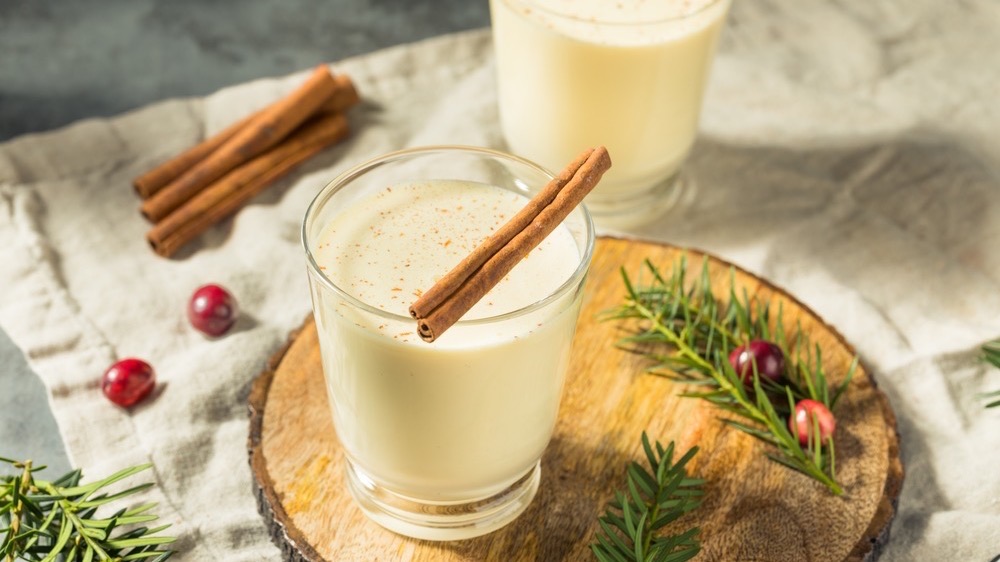
Store-bought eggnog is pasteurized, which is why it can sit in the grocery store dairy case for weeks. Once you open the carton, though, the clock starts ticking. The federal cold storage chart lists commercial eggnog at three to five days in the refrigerator after opening.
Unopened cartons should be used by the date on the package. Keep eggnog on a shelf inside the fridge rather than in the door, where the temperature swings every time someone grabs the milk. If it smells sour, looks lumpy or has separated in a way that shaking won’t fix, pour it out.
2. Homemade Eggnog
Homemade eggnog is a different story, because many old family recipes call for raw eggs. Raw eggs can carry salmonella, and the FDA’s egg safety guidance recommends using pasteurized eggs or a cooked egg base for drinks like eggnog. Adding rum or bourbon does not reliably make raw eggs safe.
A cooked custard-style eggnog should be treated like any other homemade dairy dish. Keep it cold, serve it in small batches and plan to finish it within two to four days. Don’t leave a punch bowl of it sitting out for an entire evening.
3. Cookies on the Counter
Here’s the good news for bakers. Most crisp cookies, like sugar cookies, gingersnaps, shortbread and snickerdoodles, keep well at room temperature for about one to two weeks in an airtight tin. Butter cookies and decorated cut-outs hold up nicely, which is why grandmothers could bake in early December and still serve them on Christmas Eve.
Soft, chewy cookies dry out faster and usually taste best within a week. Cookies with cream cheese frosting, custard or fresh fruit fillings belong in the refrigerator. Store crisp and soft cookies in separate tins, or the crisp ones will turn soft overnight.
4. Cookie Dough in the Freezer
If you like to bake ahead, the freezer is your best friend. Most drop cookie dough freezes well for about three months when it’s wrapped tightly. Many bakers scoop the dough into balls first, freeze them on a tray and then move them to a freezer bag so they can bake a dozen at a time.
One warning applies to every batch. Raw dough is not meant for snacking, because it contains raw flour and often raw eggs. The FDA has warned for years that raw flour can carry harmful bacteria, so save the tasting for after the cookies come out of the oven.
5. Fudge and Candy
Homemade fudge is surprisingly sturdy. Wrapped well and kept in an airtight container at cool room temperature, most fudge stays good for one to two weeks. In the refrigerator it can last two to three weeks, and it freezes well for a couple of months if you want to make it early.
Hard candies, peppermint bark and brittle last even longer, often several weeks, as long as they stay dry. Humidity is their main enemy, since it turns brittle sticky and makes candy canes soft. Keep them in sealed tins away from the stove and the dishwasher, where steam can creep in.
6. Pumpkin Pie and Other Custard Pies
This is the one many families get wrong. Pumpkin pie, sweet potato pie, pecan pie and other egg-based pies need to go into the refrigerator once they’ve cooled. Food safety experts generally say they keep three to four days in the fridge, and they shouldn’t sit out at room temperature for more than two hours.
Grocery store pies that are sold unrefrigerated contain preservatives that allow it, but once you get them home, cutting into one and leaving it out overnight is still a gamble. Fruit pies like apple and cherry are sturdier and can sit out for a day or two, then keep for several days in the fridge.
7. Fruitcake
The much-joked-about fruitcake really does earn its reputation for staying power. Traditional fruitcakes made with dried fruit and soaked in brandy or rum can keep for weeks or even months when wrapped well and stored somewhere cool. Many old recipes call for “feeding” the cake with a little more liquor every week or two.
Non-alcoholic fruitcakes and those with fresh fruit or cream fillings don’t last nearly as long. Store those in the refrigerator and treat them like regular cake. Any fruitcake that shows mold or smells off should be thrown away, no matter how much someone paid for it.
8. Cheese Balls and Party Dips
Cheese balls, spinach dip, seven-layer dip and shrimp platters are holiday party staples, and they’re also the most likely foods to cause trouble. Perishable foods shouldn’t sit out longer than two hours, according to the USDA’s danger zone guidance, because bacteria multiply fastest between 40°F and 140°F.
Once they’re back in the refrigerator, most dairy-based dips and cheese balls keep for about three to four days. A smart host sets out small portions and refills the platter from the fridge instead of putting the whole thing out at once. That keeps the backup batch cold and fresh.
9. Leftover Holiday Ham and Roasts
The main course often outlasts the desserts. Cooked ham, roast beef and turkey keep three to four days in the refrigerator, according to the same federal chart. Slice the meat off the bone, pack it in shallow containers and get it into the fridge within two hours of serving.
If you can’t finish it in time, freeze it. Cooked meats keep their best quality for two to six months in the freezer, and frozen ham makes an easy start to bean soup or a breakfast casserole in January. Label the bag with the date so nobody has to guess later.
Simple Rules for Holiday Leftovers
A few habits make the whole season easier. Write the date on containers when they go into the fridge, especially when there are several dishes from different days. Keep your refrigerator at 40°F or below and your freezer at 0°F, and don’t overpack the shelves so cold air can circulate around the food.
When in doubt, remember the phrase food safety experts like to repeat: when in doubt, throw it out. Smell and appearance won’t tell you everything, because the bacteria that cause food poisoning usually don’t change how food looks or smells. A little planning ahead goes a long way when the fridge is packed with holiday food.
Enjoy Them While They’re Fresh
The holidays are meant for indulging, and nobody wants to waste a tin of homemade cookies or a pie someone worked hard to make. Knowing which treats keep and which ones don’t means you can bake ahead with confidence and serve everything at its best.
So go ahead and fill the cookie tins, chill the eggnog and freeze a few extra slices of ham for January. Just keep an eye on the calendar, and your holiday treats will stay as good as they were the day you made them.