8 Pennsylvania Dutch Foods Outsiders Have Never Heard Of
Drive through Lancaster County, Pennsylvania, and you’ll pass rolling farmland, horse-drawn buggies and roadside stands selling pies, jams and fresh produce. This is the heart of Pennsylvania Dutch country, home to one of the most distinctive food traditions in America. It’s hearty, thrifty, comforting and unlike anything most people have tasted.
The name can be confusing. The Pennsylvania Dutch aren’t from the Netherlands at all. They’re descended from German-speaking immigrants, many of them from southwestern Germany and Switzerland, who settled in Pennsylvania in the 1700s and 1800s. “Dutch” comes from “Deitsch,” their word for German. Their communities include Amish, Mennonite and many other families.
Pennsylvania Dutch cooking grew out of farm life, where nothing went to waste and meals had to fuel long days of hard work. Some of its dishes, like whoopie pies, have become famous nationwide. Others remain mostly unknown outside the region. Here are Pennsylvania Dutch foods that outsiders have probably never heard of.
1. Scrapple
Scrapple might be the most famous Pennsylvania Dutch food that outsiders have never tried. It’s made from pork scraps and trimmings cooked with cornmeal, flour and spices, then formed into a loaf. Slices are fried until crispy on the outside and soft in the middle, and served for breakfast.
The dish was born from the farm tradition of using every part of the pig after butchering. Scrapple is still sold in grocery stores across Pennsylvania, Delaware, Maryland and New Jersey, with brands like Habbersett and Rapa. Locals eat it with eggs, ketchup, apple butter or maple syrup.
2. Chow-Chow
Chow-chow is a sweet and tangy pickled relish made from a mix of chopped vegetables. Pennsylvania Dutch versions often include green beans, wax beans, cauliflower, corn, carrots, peppers, kidney beans and onions, all preserved in a vinegar and sugar brine.
Farm families made chow-chow at the end of summer to use up the last of the garden vegetables. It’s served as a side dish or condiment with meats, sandwiches and hot dogs. Chow-chow also appears in Southern cooking, though Southern versions tend to be made with cabbage and green tomatoes.
3. Shoofly Pie
Shoofly pie is a rich molasses pie with a crumb topping. There are two main kinds: “wet bottom,” which has a gooey, custard-like layer beneath the crumbs, and “dry bottom,” which is more cake-like throughout. Locals have strong opinions about which is better.
Legend says the pie got its name because its sweet molasses filling attracted flies that had to be shooed away while it cooled. Food historians aren’t sure that’s true, and some link the name to a popular molasses brand. Whatever its origin, shoofly pie is a beloved breakfast and dessert in Lancaster County.
4. Chicken Pot Pie, the Dutch Way
If you order chicken pot pie in Pennsylvania Dutch country, you might be surprised. Instead of a creamy filling baked in a crust, you’ll get a hearty stew of chicken, potatoes and large, square noodles in a rich broth. There’s no crust at all.
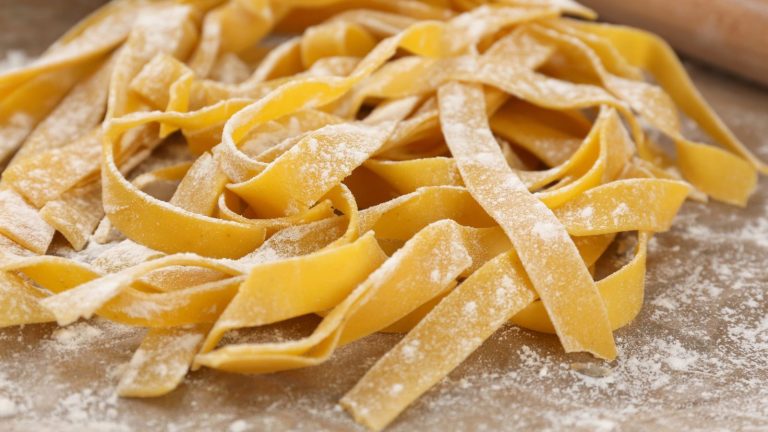
Those thick, homemade noodles, sometimes called “bot boi” in the local dialect, are rolled and cut by hand. The dish is a comforting one-pot meal that’s popular at church suppers, fire company dinners and family gatherings. Many outsiders say it tastes more like chicken and dumplings than the pot pie they know.
5. Chicken Corn Soup
Chicken corn soup is a Pennsylvania Dutch classic, especially in late summer when sweet corn is in season. It’s made with chicken, corn kernels, broth and small, irregular dumplings called rivels, made by rubbing flour and egg together between the fingers.
The soup is a staple at church picnics, community fundraisers and fire hall dinners, where volunteers cook it in huge kettles. Some versions add chopped hard-boiled eggs or saffron for color. It’s simple, hearty and deeply comforting on a cool day.
6. Red Beet Eggs
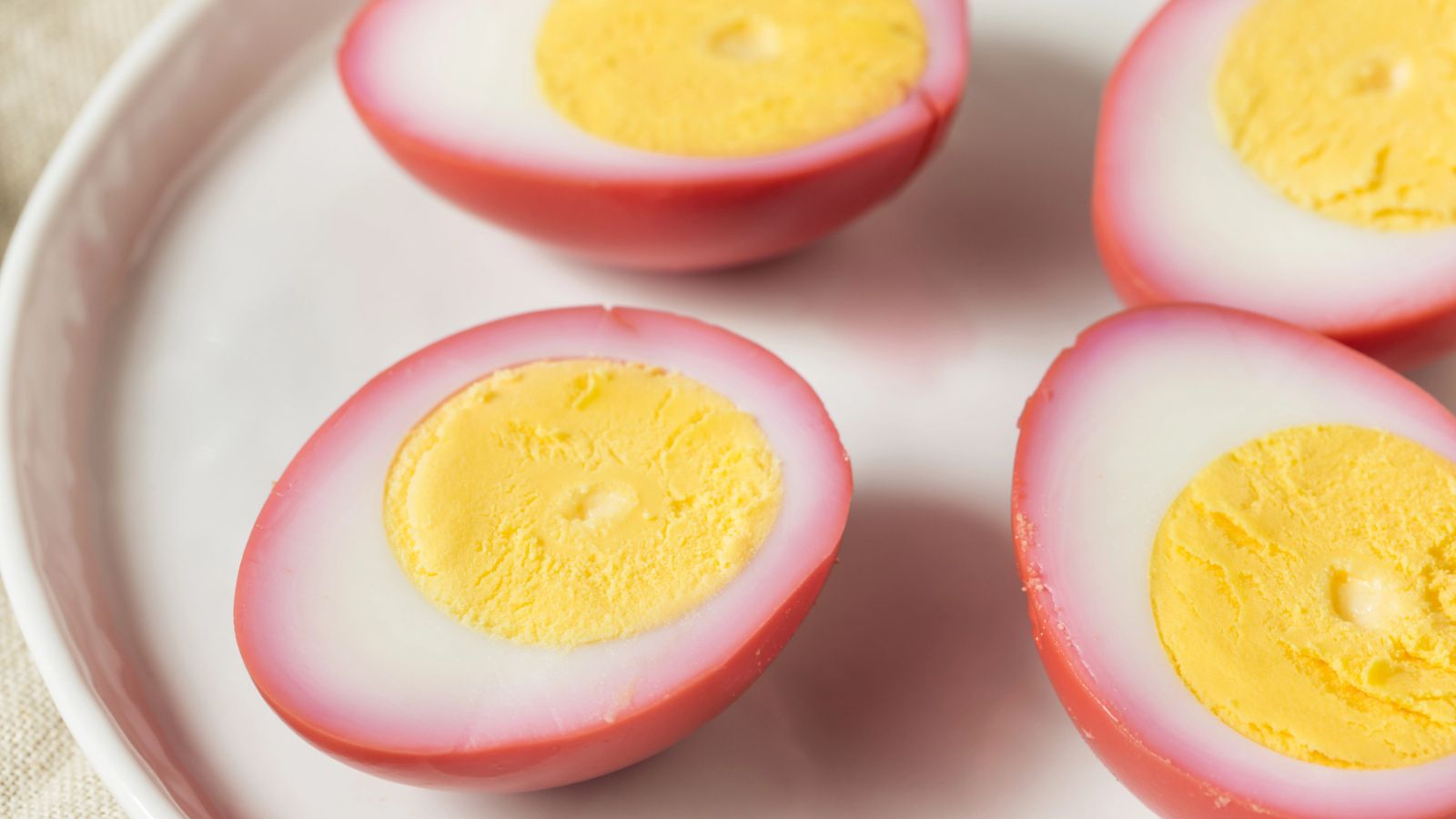
Red beet eggs are hard-boiled eggs pickled in the juice of red beets, vinegar, sugar and spices. The eggs soak up the bright pink color, turning a vivid magenta on the outside while the yolks stay golden yellow. They’re both striking and delicious.
These eggs often appear at Pennsylvania Dutch picnics, holiday tables and Easter celebrations, usually alongside the pickled beets themselves. They’re part of a traditional spread of “seven sweets and seven sours,” a phrase describing the variety of preserves and pickles served at a Pennsylvania Dutch table.
7. Schnitz und Knepp
Schnitz und knepp is an old Pennsylvania Dutch dish of ham, dried apples and dumplings. “Schnitz” refers to dried apple slices, and “knepp” means dumplings. The ham and apples are simmered together until tender, then fluffy dumplings are cooked on top.
The dish combines sweet and savory flavors in a way that surprises many first-timers. It was a practical meal for farm families who dried apples in the fall to use through the winter. Today, it’s less common, but some restaurants and church dinners still serve it to keep the tradition alive.
8. Lebanon Bologna
Lebanon bologna is a cured, smoked and fermented beef sausage from Lebanon County, Pennsylvania. It has a tangy, smoky flavor similar to salami, and it’s very different from the mild bologna sold in most grocery stores. It’s usually served thinly sliced on sandwiches or with crackers and cheese.
The sausage has been made in the region since the 1700s by Pennsylvania Dutch butchers. Brands like Seltzer’s and Weaver’s are well-known locally. Lebanon even celebrates the sausage with a giant bologna drop on New Year’s Eve, a quirky tradition that draws crowds each year.
Seven Sweets and Seven Sours
One of the most charming traditions of Pennsylvania Dutch cooking is the idea of “seven sweets and seven sours.” A proper table, especially for company, was said to include a variety of sweet preserves and sour pickles, like apple butter, pepper jam, chow-chow, pickled beets and bread-and-butter pickles.
Some historians think the phrase was popularized in the 20th century to promote tourism in the region, but the tradition of serving many pickles and preserves at once is real. It reflects the thrift and abundance of farm life, when families preserved the harvest to enjoy all year long.
Visiting Pennsylvania Dutch Country
Lancaster County is a popular destination for travelers who want to experience this food culture firsthand. Visitors can enjoy family-style restaurants serving platters of fried chicken, mashed potatoes and buttered noodles, as well as farmers markets and roadside stands selling homemade goods.
The Lancaster County visitors bureau highlights local markets and restaurants where travelers can sample the region’s specialties. Many visitors leave with bags full of whoopie pies, shoofly pies and jars of apple butter to take home.
A Taste of History
Pennsylvania Dutch food tells the story of the people who made it: hardworking farm families who valued thrift, community and good, filling meals. Many of these dishes have been passed down for generations and remain a cherished part of life in the region.
If you ever find yourself in Pennsylvania Dutch country, be adventurous. Try the scrapple, sample the chow-chow and save room for a slice of shoofly pie. You might discover a new favorite that most of the country has never heard of.