7 Must-Have Emergency Supplies to Get Before a 3-Day Power Outage Hits
The lights flicker once, then twice. Suddenly, your refrigerator goes quiet, the Wi-Fi disappears, and every room feels strangely still. You assume the electricity will return in an hour. Then dinner passes, night falls, and your phone battery starts looking like a countdown clock.
Now imagine that same situation stretching into three full days.
A 72-hour power outage can turn ordinary household routines into frustrating challenges. Cooking, charging devices, getting updates, and even finding your way around the house become harder than expected.
The good news? You don’t need a basement full of expensive survival equipment. A handful of practical supplies can make those three days far more manageable.
Here are seven emergency essentials worth getting before the next blackout catches you off guard.
An Emergency Radio That Works Without Internet
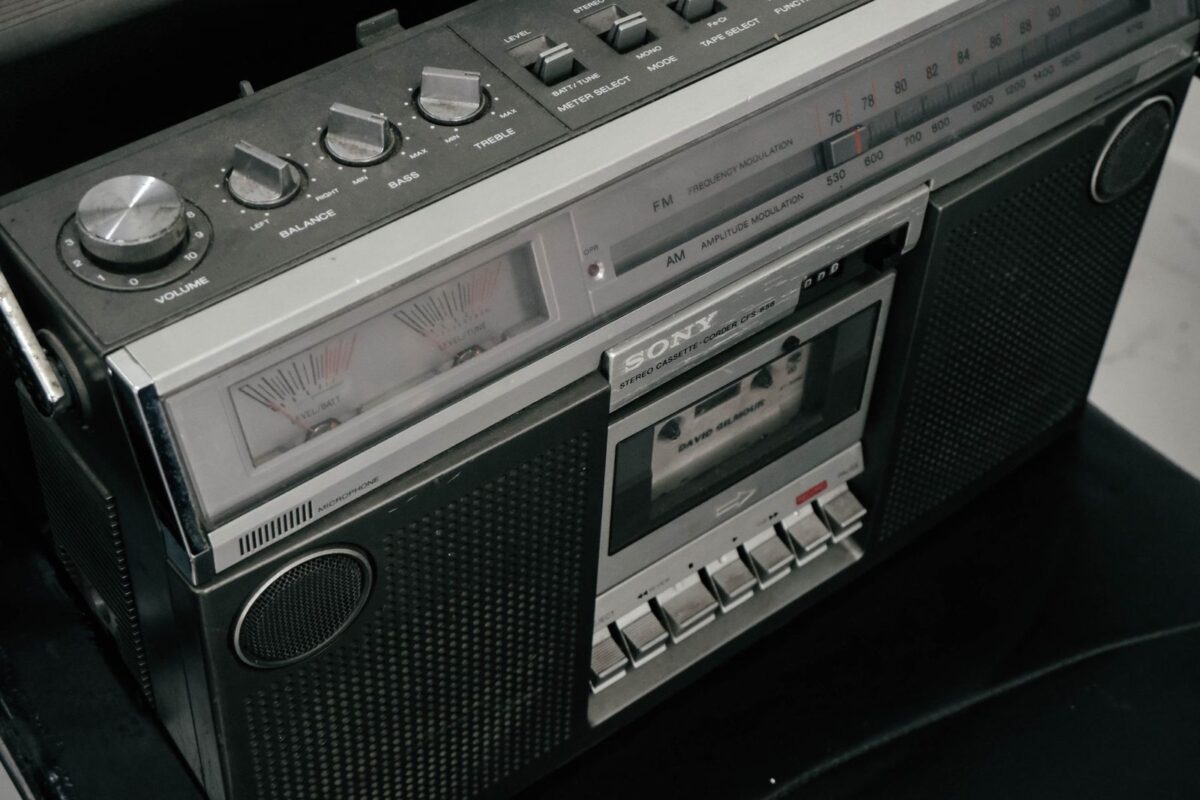
When the power disappears, your internet connection may follow. Suddenly, refreshing social media isn’t the dependable information strategy it usually seems. A dedicated emergency radio gives you another way to receive weather information and public alerts.
The Midland ER310 Portable Emergency Crank Weather Radio includes weather alert functions, a built-in flashlight, rechargeable battery, hand crank, and solar charging option.
Midland listed the radio at $89.99, although availability may vary. Its multiple charging options make it particularly appealing for extended outages.
However, neither the hand crank nor its small solar panel should be treated as a guaranteed way to recharge your phone. Think of this radio primarily as an information backup, especially when mobile service becomes unreliable.
Stored Drinking Water With an Easy-Pour Container
Water is easy to overlook when preparing for a power outage. After all, the kitchen faucet seems completely unrelated to the lights.
Unfortunately, extended outages can sometimes disrupt water systems, making a backup supply important.
According to Ready.gov, households should store at least one gallon of water per person per day for drinking and sanitation. That means a family of four should have at least 12 gallons available for three days.
The Reliance Aqua-Tainer is one convenient storage option. Its seven-gallon capacity, screw-on vent cap, and reversible dispensing spout make stored water easier to access.
Walmart advertised the empty container for approximately $19.88, although prices can change. Two filled containers provide 14 gallons, enough to exceed the basic three-day recommendation for four people.
Just remember that buying a container isn’t the same as storing water. Fill it with safe drinking water before an emergency.
Ready-to-Eat Food That Doesn’t Need Cooking
There’s nothing quite like opening the refrigerator during an outage and realizing most of your dinner plans depend on electricity.
That’s why a small collection of ready-to-eat foods deserves a permanent spot in your pantry. Think peanut butter, dried fruit, snack bars, and shelf-stable food pouches that require little preparation.
One practical example is StarKist Chunk Light Tuna in Water, sold in 2.6-ounce pouches. Walmart listed an eight-pack for approximately $9.48.
The pouches open without a can opener and don’t require draining or cooking. Of course, eight tuna pouches won’t cover an entire household’s food needs for three days.
The smarter approach is building a varied supply of familiar foods that require no refrigeration or cooking.
Ready.gov’s emergency food guidance recommends keeping foods that are simple to prepare when normal kitchen equipment isn’t available.
A Battery-Powered Lantern That Lights an Entire Room
A smartphone flashlight works beautifully when you’re searching for something under the couch. Lighting your living room for several evenings? That’s another story.
A battery-powered lantern spreads light across a larger area without requiring someone to hold it. The Energizer WeatheReady 360-Degree LED Lantern, model WRESAL35, is one example worth considering.
It offers up to 500 lumens, adjustable lighting, and a manufacturer-advertised runtime of up to 150 hours on its high setting. Retail listings placed it around $23 to $24.
Actual performance depends on battery condition and operating settings, so don’t assume maximum brightness will last for the entire advertised period.
Keep suitable spare batteries nearby, and consider having individual flashlights for household members who may need to move between rooms.
A Fully Charged Power Bank Reserved for Emergencies
During a blackout, your phone suddenly becomes much more valuable. It’s your connection to family, utility updates, emergency information, and practically everything happening beyond your front door.
Unfortunately, scrolling through videos can drain the battery you might need later. A dedicated power bank provides another charging option when wall outlets stop working.
The Anker 737 Power Bank offers a 24,000mAh advertised capacity, three charging ports, and up to 140W output.
A retailer listing advertised it for approximately $109.99, making it one of the pricier options here. You don’t necessarily need this exact model. The important thing is having a reliable, compatible backup charger.
Charge it regularly, store the appropriate cables with it, and reserve its power for essential communication during outages.
An Insulated Cooler With Ice Packs
The refrigerator presents one of the trickiest household challenges during a prolonged blackout. You may have groceries inside, but without power, you can’t assume they’ll stay cold for three days.
According to the CDC, an unopened refrigerator generally maintains safe temperatures for approximately four hours after losing power.
A properly prepared insulated cooler offers temporary additional cold storage. The Coleman Classic Series 52-Quart Hard Cooler is one example, with a listed price around $50 to $55.
Coleman advertises ice retention of up to three days under specified conditions. However, that doesn’t guarantee food will remain at an appropriate temperature throughout a 72-hour outage.
You’ll still need sufficient ice or frozen packs and a thermometer to monitor temperatures. A cooler is useful, but it isn’t a magical replacement for a functioning refrigerator.
A Battery-Powered Carbon Monoxide Alarm
When electricity disappears, some households turn to generators for backup power. But preparing for alternative power also means preparing for the risks that come with certain equipment. A battery-powered carbon monoxide alarm can continue operating without household electricity.
The Kidde COB AA Battery-Powered Carbon Monoxide Alarm is one example. Walmart listed it for approximately $25.47.
It uses electrochemical detection, includes two AA batteries, and features an 85-decibel alarm. The CDC advises keeping generators outdoors, at least 20 feet away from windows, doors, and vents.
Never operate a generator, charcoal grill, or camp stove inside your home or garage. An alarm does not make indoor use safe. It’s one of those supplies you hope never has to announce its presence.
A Little Preparation Makes a Three-Day Outage Easier
A power outage doesn’t send an invitation before arriving. Sometimes, the difference between a chaotic weekend and a manageable inconvenience comes down to what you prepared beforehand.
Start with water and food, then build your backup lighting, charging, communication, and other essential supplies.
These seven items aren’t a complete emergency kit, but they’re a practical starting point. The best time to prepare for 72 hours without electricity is while everything in your home still works.