Think Twice Before Writing a Check at These 5 Places
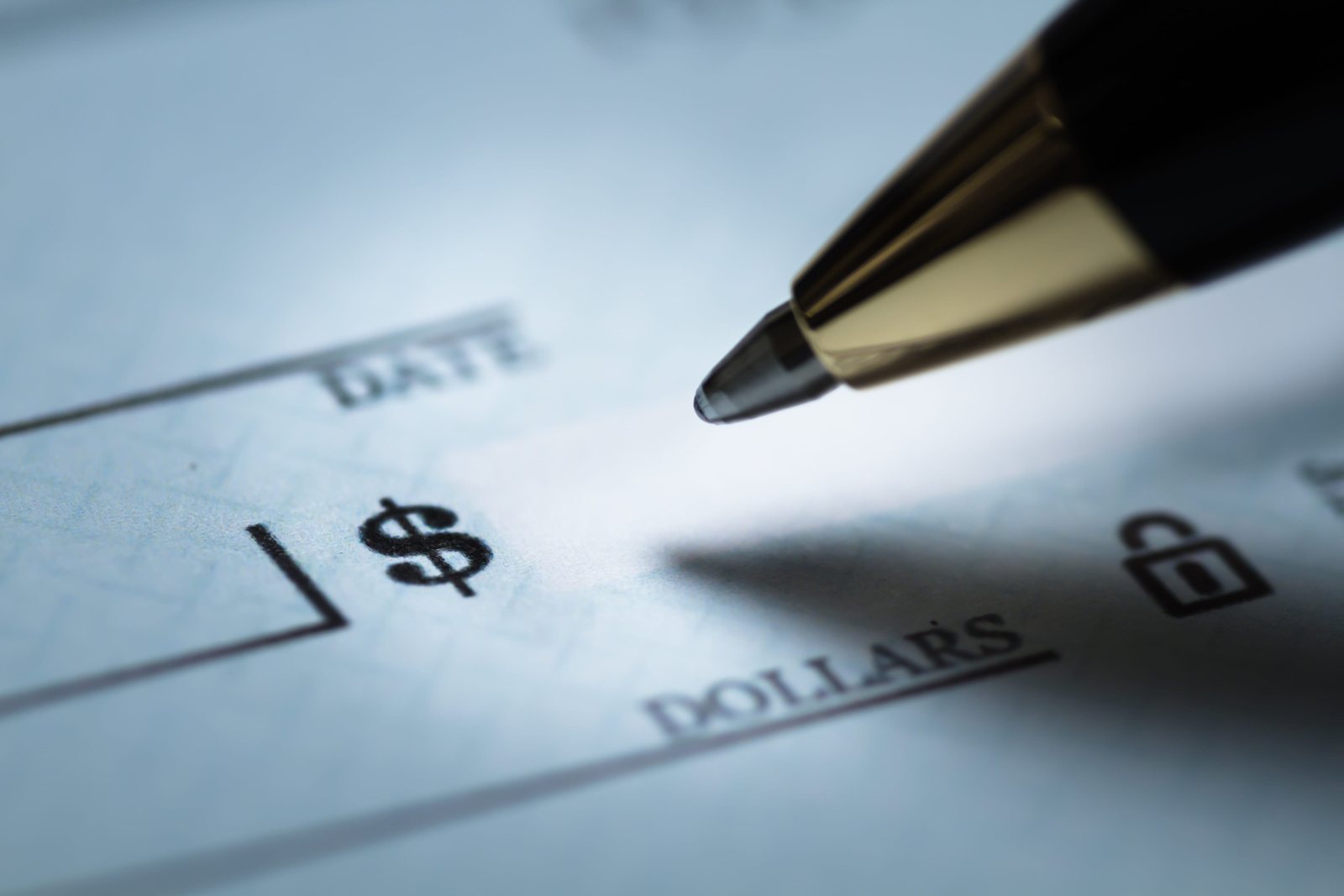
The paper check isn’t going anywhere just yet. In an October 2026 analysis, the Federal Reserve Bank of Atlanta found that about half of consumers surveyed wrote at least one personal check over 12 months, and that check use climbs steadily with age. People still reach for the checkbook to pay contractors, send donations, cover rent and handle taxes.
That’s all perfectly reasonable. But where and how a check travels matters, and a few common spots deserve a second thought, especially during the busy holiday season. None of this is meant to scare anyone off checks. It’s simply about keeping your hard-earned money headed where you meant it to go.
1. Your Own Curbside Mailbox
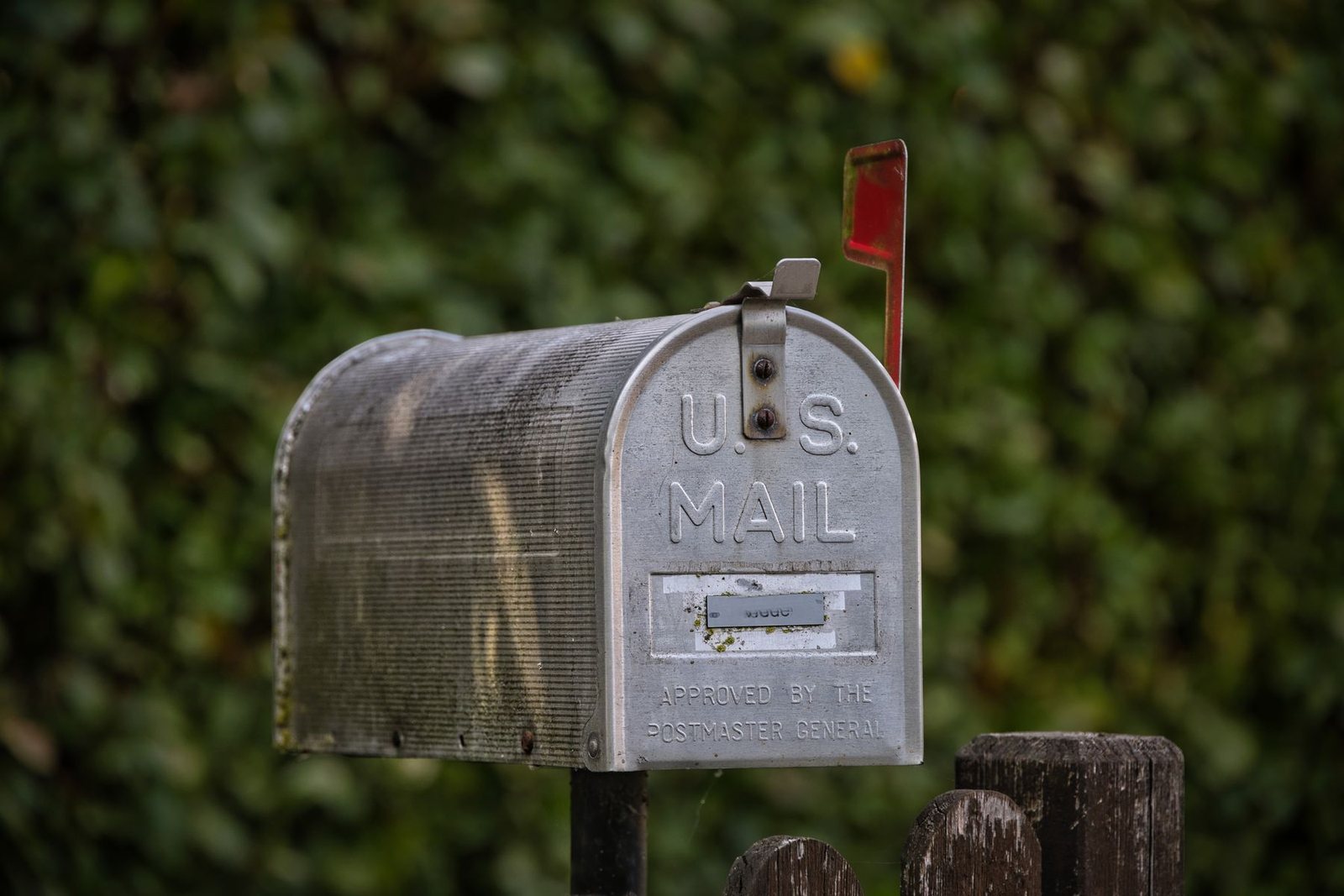
Raising the little red flag on your home mailbox has been a bill-paying ritual for generations. The trouble is that the flag also tells anyone passing by that outgoing mail is waiting inside.
The U.S. Postal Inspection Service explains that thieves steal checks from mail and use chemicals to “wash” off the ink so they can rewrite the payee and amount. Its advice is simple: never leave mail sitting in your mailbox overnight, and bring outgoing checks to a post office or a blue collection box before the last pickup.
If you like keeping a close eye on your money, the habits shared by people who check their bank statements every month fit right in here, since watching when each check clears is one of the quickest ways to spot a problem.
2. A Street Collection Box After the Last Pickup
Blue collection boxes are generally a better bet than your home mailbox, but timing matters. A check dropped in at 7 p.m. may sit there all night if the last pickup was at 5.
AARP suggests skipping outdoor boxes after the final collection and handing mail to a clerk or using the indoor slot at the post office during business hours. It also recommends writing checks in blue or black non-erasable gel ink, which soaks into the paper and is harder to remove than ordinary ballpoint ink.
Small, practical changes like these are the same spirit behind these wallet-friendly life hacks that actually make a difference, where a few minutes of effort protects a lot of money.
3. Inside a Holiday Card
Tucking a check into a Christmas or birthday card is a sweet tradition, and plenty of grandparents still do it. Just know that greeting cards with checks inside travel the same route as every other piece of mail.
Kiplinger points out that the usual mail-safety rules apply in December too: drop cards off before the last pickup or at the post office, and have mail held if you’ll be traveling. The New York Department of State’s Division of Consumer Protection also suggests signing up for USPS Informed Delivery so you can preview the letter mail headed to your box each day.
If your family sends a lot of money gifts this time of year, it helps to settle the plan early so it doesn’t turn into one of the money arguments couples have every December. Some families also like to set aside a small fund ahead of time, and these tips on building an emergency fund work just as well for a holiday gift cushion.
4. A Stranger Who Says They “Overpaid” You
Here’s a situation where writing a check can go wrong fast. Someone buys an item you listed online, sends a check for more than the asking price, and asks you to send back the difference. Pausing before you write that refund check is one of those clever frugal living habits that can save real money.
The Federal Trade Commission calls this a classic fake check scam. Banks have to make deposited funds available quickly, but that doesn’t mean the check is good, and the FTC notes it can take weeks for a bank to discover a fake. By then, the money you sent back is usually gone, and you may owe the bank.
The FTC’s bottom line is worth remembering: don’t rely on money from a check unless you know and trust the person you’re dealing with, and never accept a check for more than the selling price.
5. A Busy Checkout Line
Writing a check at the grocery store or a big-box register used to be routine. Today, many fast-moving checkouts simply aren’t set up for it.
The Atlanta Fed’s research found checks are rarely used in quick-checkout categories, where merchants can’t slow the line and have a hard time screening for bad checks. Contractors, landlords and charities are a different story, since they usually know who is paying them.
Nationally, check use has been shrinking for years. The Federal Reserve Payments Study counted 11.2 billion check payments in 2021, down from 14.0 billion in 2018. For a crowded register, a debit card or cash is often smoother for everyone in line.
A Few Easy Habits That Help
- Mail checks at the post office or before the last pickup.
- Use a non-erasable gel pen and fill in every line, including the memo.
- Bring in your mail daily and use a mail hold when you travel.
- Watch your account so you know when each check clears.
- Contact your bank right away and report suspected mail theft to the Postal Inspection Service if something looks off.
Checks still have a place in everyday life, and for many people they feel more personal than a tap or a swipe. A little care about where you write them and how you send them goes a long way. This is general consumer information, not financial advice, so check with your own bank about the protections on your account.