Think Twice Before Asking for Cash Back at Self-Checkout
For a lot of shoppers, getting cash back at the grocery store feels like a handy shortcut. Instead of hunting for an ATM and paying a fee, you just tap a button at the register, swipe your debit card and walk away with your groceries and a few twenties. It’s been a common habit for decades.
But self-checkout lanes have changed the way cash back works, and not always for the better. With no cashier watching over the transaction, shoppers are on their own when something goes wrong. And at some stores, that “free” cash isn’t actually free anymore.
That doesn’t mean you should never get cash back again. But before you tap that button on a busy Saturday or a hectic December shopping trip, it’s worth knowing the risks. Here’s why you might want to think twice before asking for cash back at self-checkout.
Some Stores Now Charge a Fee
Many shoppers assume cash back at a store is always free, but that isn’t true everywhere. In an August 2024 issue spotlight, the Consumer Financial Protection Bureau found that Dollar General, Dollar Tree and Kroger, which also run brands like Family Dollar, Harris Teeter and Ralphs, charge fees for cash back, while other national retailers it sampled did not. At the two big dollar store chains, fees were $1 or more for amounts under $50, and Kroger stores charged 50 to 75 cents for $100 or less.
Those fees might seem small, but the CFPB estimated the three companies collect more than $90 million a year from them. The agency also noted that cash back can be especially important in areas with few bank branches or ATMs, where people may not have many other ways to get cash. At self-checkout, the fee can be easy to miss on a busy screen.
The Cash Can Come Out Somewhere Unexpected
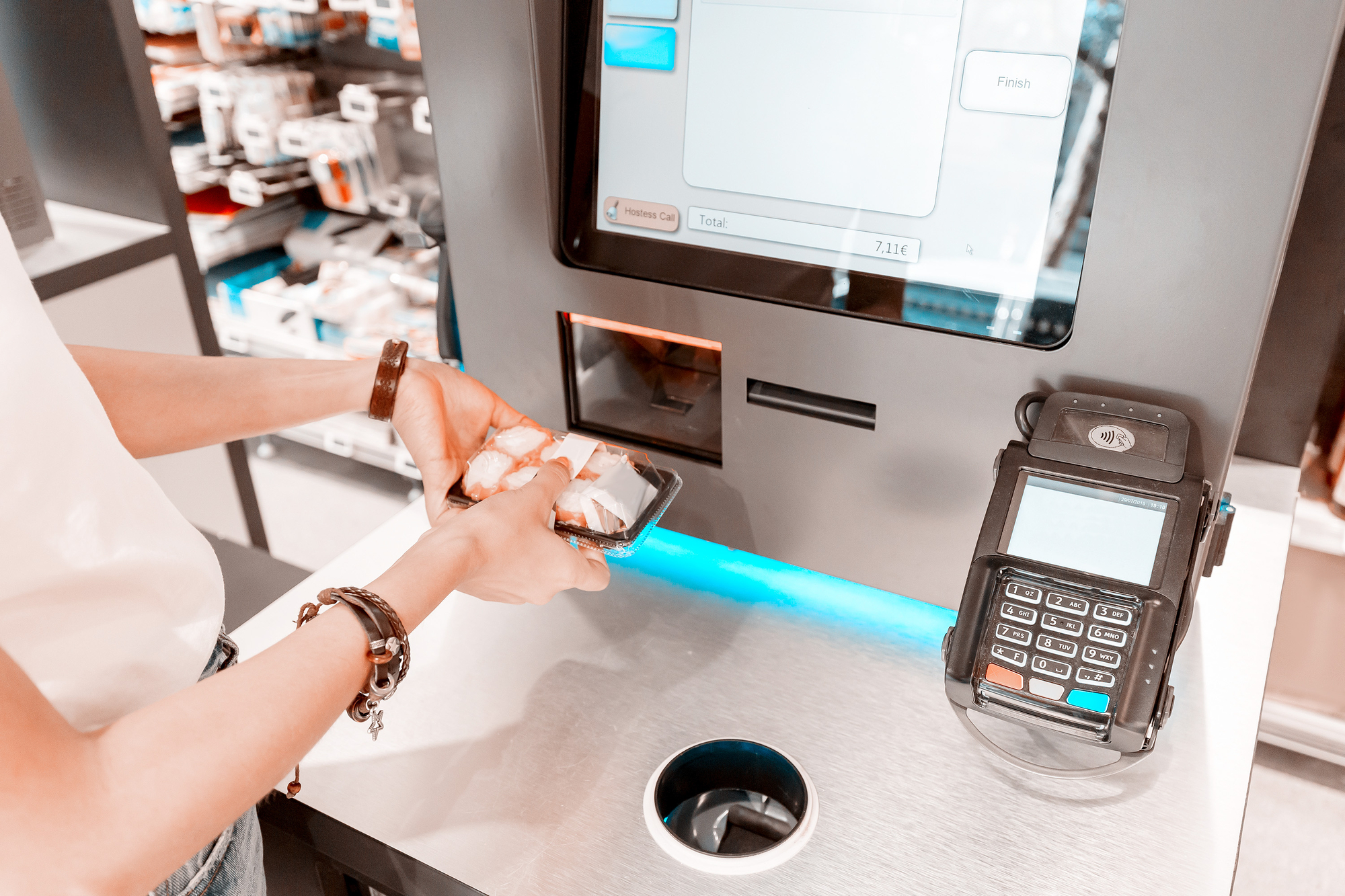
At a regular register, the cashier hands you the money directly. At self-checkout, the cash often comes out of a separate slot or dispenser on the machine, sometimes on a different side from the receipt printer. In a rush, it’s surprisingly easy to bag your groceries, grab your receipt and walk away without the cash.
It’s an easy mistake to make when you’re juggling bags, a cart and maybe a child or two. If someone else grabs it before you notice, getting it back can be difficult. Always look for the cash dispenser before you finish the transaction and wait for the money before you leave.
Someone May Be Watching Your PIN
Self-checkout lanes are often crowded, with shoppers standing close together and lines forming behind you. That makes it easier for someone to watch you enter your debit card PIN. With your PIN and a stolen or copied card, a thief could empty your account.
Cover the keypad with your hand when you type your PIN, just as you would at an ATM. It only takes a second and can protect your money. Paying with a tap or a phone wallet instead of inserting your card and typing a PIN can also reduce the risk.
Card Skimmers Can Show Up at Store Terminals
Card skimmers aren’t just a problem at gas pumps and ATMs. Criminals have also placed them on payment terminals in stores, including self-checkout lanes. These devices fit over the card reader and secretly copy the information from your card when you swipe or insert it.
The FBI has warned that skimmers can be hard to spot and recommends checking card readers for anything loose, damaged or out of place. Using tap-to-pay, when it’s available, means your card doesn’t go into the reader at all.
Cash Back Pulls Money Straight From Your Account
When you get cash back with a debit card, the money comes directly out of your checking account along with your purchase. If your balance is lower than you think, the extra cash could push you into an overdraft. Some banks charge overdraft fees that can be much higher than any ATM fee.
It’s easy to lose track of your balance during the holidays, when you’re making lots of purchases. If you’re not sure how much is in your account, check before you add cash back. That way you won’t get a surprise fee in your next statement.
Mistakes Are Harder to Fix Without a Cashier
At a staffed register, a cashier can fix a mistake on the spot, whether you tapped the wrong cash amount or the machine didn’t dispense your money. At self-checkout, you may have to flag down an attendant who’s watching several machines at once. If the machine charged you for cash it never gave you, sorting it out can take time.
Keep your receipt whenever you get cash back. If anything goes wrong, the receipt shows exactly how much you were charged. Report problems to a store employee right away, before you leave, since it’s much harder to prove later.
Limits Can Be Lower Than You Expect
Many stores cap how much cash back you can get, sometimes at $40, $50 or $100, and limits can vary from store to store and even from lane to lane. Some stores don’t offer cash back at self-checkout at all. If you’re counting on getting a certain amount, you could be left short.
It’s a good idea to know your store’s policy ahead of time, especially if you need cash for something specific, like paying a babysitter or tipping holiday helpers. A quick question at the customer service desk can save you a frustrating moment at the register.
When Cash Back Still Makes Sense
Cash back can still be convenient, especially at stores that don’t charge a fee and in lanes where you feel safe. It can be cheaper than using an out-of-network ATM, which often charges fees from both the ATM owner and your own bank.
If you use cash back, a few simple habits help: check for fees on the screen, cover your PIN, watch for the cash dispenser, keep your receipt and count your money before you walk away. Many people find a staffed register is simply less stressful for cash back, since a cashier can handle any problems on the spot.
A Small Habit Worth Rethinking
Self-checkout has changed how we shop, and it’s worth adjusting old habits to match. Cash back at the register was simple when a cashier counted out the money in your hand. Today, with fees at some stores and more chances for mistakes or theft, it takes a little more care.
During the busy holiday season, when stores are crowded and shoppers are distracted, those extra precautions matter even more. A few seconds of attention can protect your cash, your card and your bank account. Shoppers who plan their trips with a written list tend to find the whole visit less rushed, which makes slips like these less likely.