People Who Keep a Spare Key With a Neighbor Usually Have These 8 Traits
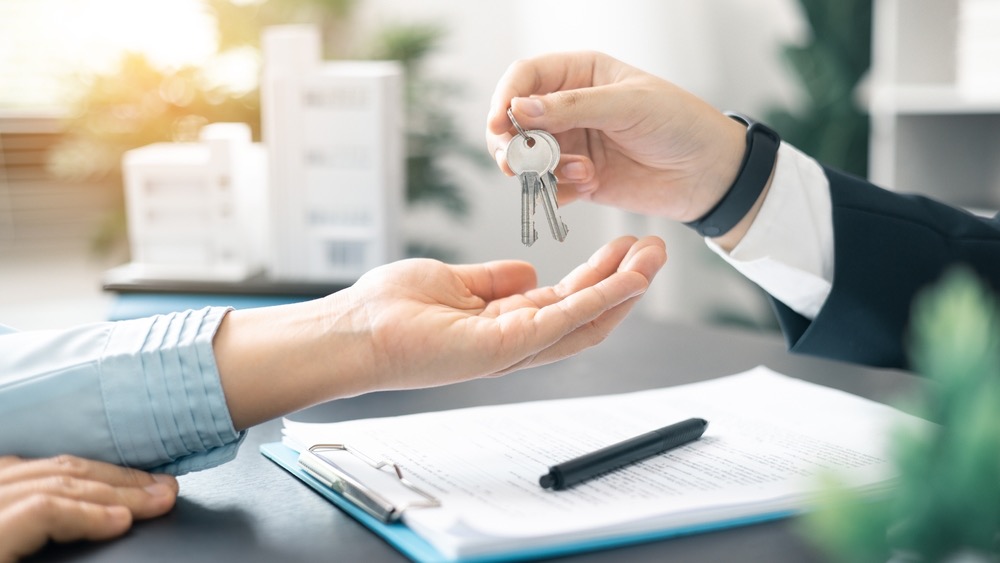
There was a time when nearly every family on the block had a spare key to someone else’s house. Neighbors watered each other’s plants, fed the cat during vacations and let the plumber in when nobody was home. Handing over a key was a simple act of trust, and most people didn’t think twice about it.
Today, plenty of people rely on smart locks, lockboxes or keypad codes instead. Many don’t know their neighbors well enough to trust them with access to their home. But some people still keep a spare key with the family next door, and that small habit says a lot about them.
Trusting someone with your house key is a meaningful choice. It reflects how you see your community, how you build relationships and how you prepare for life’s little emergencies. Here are the traits people who keep a spare key with a neighbor usually share.
1. They Build Real Relationships With Neighbors
People who leave a key next door usually know their neighbors well. They’ve chatted over the fence, swapped recipes, shared holiday cookies and helped each other out over the years. The key is a sign of a relationship built over time, not a casual acquaintance.
These people tend to value community. They know the names of the people on their street and wave when they drive by. They see neighbors as part of their support system rather than strangers who happen to live nearby. Many of them are also the kind of people who run errands for neighbors without being asked.
2. They Are Trusting by Nature
Handing over a house key requires trust. People who do it tend to see the good in others and believe most people are honest. That doesn’t mean they’re naive, but they’re willing to extend trust to people who have earned it.
Trust is one of the foundations of strong relationships. Studies of neighborhoods, including research highlighted by the Pew Research Center, have found that only about a quarter of Americans say they know all or most of their neighbors. People who keep a key next door are part of a group that still believes in neighborly trust, and they’ve usually put in the time to earn it.
3. They Plan Ahead
Leaving a spare key with a neighbor is a practical way to prepare for problems. If you lock yourself out, lose your keys or need someone to check on your home while you’re away, a trusted neighbor can save the day. People who think ahead like this tend to plan in other areas of life too.
They’re often the same people who keep a flashlight by the bed, a first aid kit in the car and a list of emergency numbers on the fridge. They know that small preparations can prevent big headaches later.
4. They Are Helpful in Return
People who trust a neighbor with their key are usually willing to do the same in return. They’re happy to water a neighbor’s garden, pick up their mail or let in a delivery while they’re at work. To them, being a good neighbor is a two-way street.
This give-and-take creates strong bonds. Over time, swapping favors builds a sense of security and belonging. Many people say that knowing they can count on a neighbor makes their home feel safer and their neighborhood feel friendlier.
5. They Value Old-Fashioned Ways
Many people who keep a key with a neighbor grew up in an era when everyone did it. Their parents left keys with the folks next door, and sometimes doors weren’t locked at all. They see the habit as part of a slower, friendlier way of life worth keeping.
These people often appreciate other old-fashioned habits, like sending thank-you notes, bringing casseroles to new neighbors and checking on older people during storms. They believe some traditions still make sense, even in a high-tech world. It’s one of those old-school American traditions that deserves more appreciation.
6. They Are Reliable
People who are trusted with neighbors’ keys, and who trust others with theirs, tend to be dependable themselves. They return borrowed tools, show up when they say they will and keep their promises. That reliability is what makes others comfortable trusting them.
Reliability is one of the most valued traits in friends and neighbors. People who have it often find that others rely on them in emergencies, from a burst pipe to a sick pet. Their neighbors know they can count on them.
7. They Care About Safety
Keeping a spare key with a trusted neighbor can actually be safer than hiding one under a doormat or a fake rock, where burglars often look first. People who choose a neighbor over an obvious hiding spot are thinking carefully about home security.
They often take other sensible steps too, like asking a neighbor to collect packages and mail while they’re away so the house doesn’t look empty. A neighbor with a key can also check that the stove is off, the doors are locked and nothing is wrong inside if there’s a concern.
8. They Are Comfortable Asking for Help
Some people hate asking for help and would rather struggle alone. People who leave a key with a neighbor are usually comfortable admitting they might need a hand someday. They see accepting help as a normal part of life, not a weakness.
This openness often makes them more connected to others. People who ask for help, and give it freely in return, tend to build stronger networks of friends, family and neighbors. Those relationships can be a big comfort, especially as people get older.
Why the Habit Is Fading
Fewer people keep spare keys with neighbors today. Families move more often, many households have both adults working long hours, and people may not get to know the folks next door. Smart locks and keypad entry have also made spare keys less necessary.
Still, many people say there’s no technology that replaces a neighbor who knows you, watches your house and is willing to help in an emergency. Keyless entry can let someone in, but it can’t notice when something seems wrong or bring you soup when you’re sick.
Being the Kind of Neighbor Worth Trusting
If you’d like to be the kind of person someone trusts with a key, it starts with small steps. Introduce yourself to neighbors, offer help when you can and keep in touch. Over time, those small acts of kindness build the trust that makes neighborhoods feel like home.
And if you already have a neighbor you trust, that relationship is worth treasuring. A spare key on someone else’s hook is more than a backup plan. It’s a sign that you’ve found a little piece of community, something more people could use these days.