8 Old-School Foods Grandpa Always Kept in the Fridge
Open Grandpa’s refrigerator, and you might feel as though you’ve stepped into another decade. Behind the milk and leftover Sunday dinner sit little jars, familiar containers, and ingredients that rarely appear on modern grocery lists.
These foods belong to an era when households made the most of their groceries, family recipes traveled across generations, and simple ingredients carried plenty of flavor.
While every grandfather has different tastes, certain refrigerator staples reflect America’s rich culinary history. From Southern favorites to traditional European delicacies, these eight old-fashioned foods bring a generous helping of nostalgia to the kitchen.
Bacon Grease
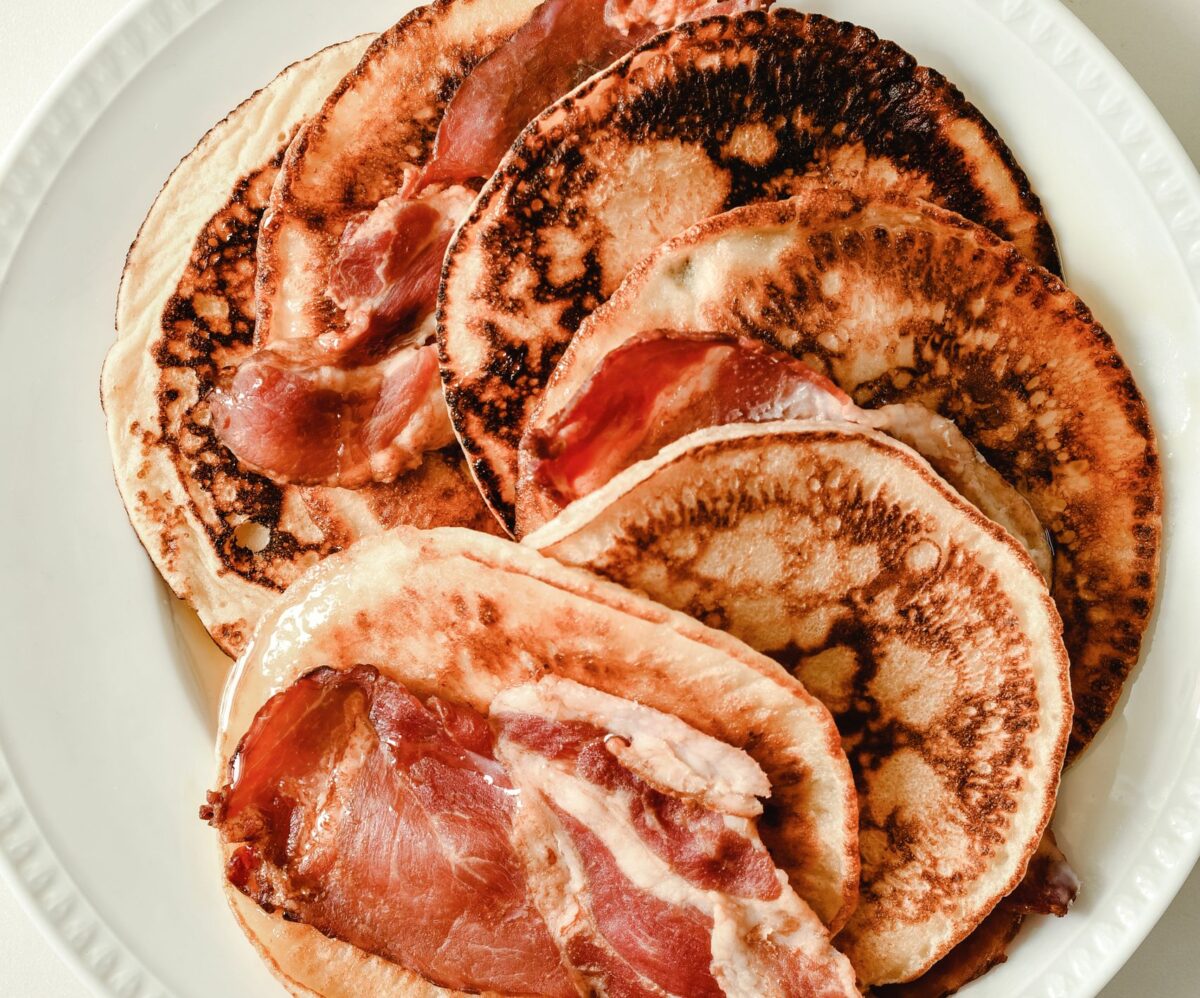
Before elaborate cooking oils filled supermarket shelves, bacon grease had a place in many American kitchens. Grandpa might keep his leftover bacon drippings in a small jar, ready whenever another meal needed extra flavor.
According to Southern Living, bacon grease has numerous culinary uses, particularly in traditional Southern cooking. It adds a distinctive smoky flavor to vegetables, biscuits, gravy, and cornbread.
For older generations, saving bacon grease was also a practical household habit. Why throw away something that could make tomorrow’s dinner taste better? That humble refrigerator jar represents a resourceful approach to cooking that still deserves appreciation.
Buttermilk
A carton of buttermilk might look unremarkable, but it holds considerable importance in traditional Southern kitchens. Historically, buttermilk was the liquid remaining after butter was churned. Today’s commercial varieties are generally produced by adding cultures to milk, creating the tangy flavor familiar to generations of home cooks.
Grandpa might use buttermilk for homemade pancakes, fluffy biscuits, cornbread, or salad dressings. Some older Americans also remember crumbling leftover cornbread into a glass of buttermilk and eating it with a spoon.
Cookbook author Debbie Moose discussed this traditional practice in an interview with UNC Press, highlighting its connection to Southern food culture.
Pickled Herring
Not every old-fashioned refrigerator staple comes from the American South. Pickled herring reflects the European culinary traditions immigrants brought to American homes, particularly those with Scandinavian and Jewish roots.
In some Midwestern households, pickled herring remains part of New Year’s celebrations. Other families enjoy it year-round with rye bread or potatoes.
According to My Jewish Learning, herring served in wine sauce or cream sauce has a familiar place in Jewish American food traditions. Its distinctive flavor might not appeal to everyone, but Grandpa could happily make it into an appetizer.
Liverwurst
There is something wonderfully straightforward about an old-fashioned liverwurst sandwich. A couple of slices of bread, a generous helping of mustard, and perhaps some sliced onion are all Grandpa needs to make lunch.
Liverwurst is a traditional liver sausage containing meat, fat, and seasonings. Some varieties are firm enough to slice, while others have a softer, spreadable consistency.
As Simply Recipes demonstrates, liverwurst works particularly well with rye bread and familiar sandwich toppings. It is the kind of uncomplicated lunch that requires neither elaborate preparation nor a long list of ingredients.
Prepared Horseradish
Grandpa might reach for horseradish whenever dinner needs a stronger kick. Unlike creamy horseradish sauce, traditional prepared horseradish typically contains grated horseradish root, vinegar, and salt. Some varieties also contain beets, giving them a distinctive red color.
According to Deseret News, Gold’s began selling prepared horseradish in Brooklyn in 1932. The condiment has long been associated with Jewish holiday meals, particularly as an accompaniment to gefilte fish.
Having a jar in the refrigerator offers the convenience of enjoying that traditional flavor without preparing the root from scratch.
Sweet Gherkins
Those tiny pickles tucked behind the mustard might bring back memories of holiday dinners and family gatherings. Sweet gherkins have a distinctive combination of sweetness, tanginess, and crunch.
They were a natural addition to traditional relish trays, alongside other pickled vegetables and cheese spreads. According to Mt. Olive, sweet gherkins also pair well with sandwiches, salads, and appetizers. Grandpa might serve several alongside his favorite sandwich or enjoy them straight from the jar.
Chow-Chow Relish
Chow-chow is one of those refrigerator treasures that tells a story about where a family comes from. This pickled vegetable relish varies widely by region, with Southern recipes often featuring cabbage, green tomatoes, onions, and peppers.
Pennsylvania Dutch versions may contain cauliflower, carrots, and beans, according to PA Eats. The tradition reflects an inventive way to use garden vegetables. In Appalachia, chow-chow often accompanies soup beans and cornbread. A spoonful can transform an otherwise simple dinner into something with more texture and personality.
Pimento Cheese
Few spreads capture the character of Southern cooking quite like pimento cheese. Traditionally made with grated cheddar, mayonnaise, and chopped pimento peppers, it works beautifully between slices of bread or spread across crackers.
Interestingly, Serious Eats explains that early versions combining cream cheese and canned pimentos originated in the North. Southern cooks eventually developed their own familiar variation.
Key Takeaways
Traditional refrigerator staples reflect regional cooking traditions and family heritage. Ingredients like bacon grease and chow-chow demonstrate resourceful household cooking habits. Many forgotten favorites remain versatile ingredients for everyday meals. Old-fashioned foods offer a meaningful connection to childhood memories and family gatherings.
Grandpa’s refrigerator might contain a homemade batch left over from a family gathering, ready for another sandwich. Like the other staples on this list, pimento cheese reminds us that familiar flavors can keep family traditions alive long after the original recipes change across generations and travel to different corners of the country.