6 Emergency Supplies Every Household Should Have Before a 72-Hour Power Outage
Your phone is at 23%, the refrigerator has stopped humming, and the lights won’t come back on for a while. Somewhere in the kitchen is a can of food, but the only can opener you own runs on electricity. Suddenly, a normal evening at home feels very different.
A power outage lasting a few hours is inconvenient. Going without electricity for three days is a different challenge. You may lose access to refrigerated food, reliable lighting, phone charging, and even running water if your local water system depends on electricity. Ready.gov recommends keeping enough essential supplies to manage for several days, while the American Red Cross suggests preparing for at least three days away from home and building a two-week supply for staying at home. Here are six emergency supplies worth having before the next extended blackout.
Water Supplies for Every Person in the Household
Water should be at the top of your emergency shopping list. Many households assume their taps will keep working during a power outage, but that is not always guaranteed. If electricity is needed to operate pumps or parts of a local water system, an extended outage could affect the supply.
Ready.gov recommends storing at least one gallon of water per person per day for several days. That means a family of four needs at least 12 gallons to cover three days. The American Red Cross offers similar guidance and recommends building a larger supply for households preparing to stay home.
Store-bought water jugs are a straightforward option, especially if you have a cool, convenient place to store them. Remember that the recommended gallon per person also covers basic sanitation needs, so drinking water is not the only consideration. Ready.gov also recommends moist towelettes, garbage bags, and plastic ties.
Don’t wait for a storm warning to start filling your shopping cart. A few containers stored in advance can make a major difference when the taps stop working.
Nonperishable Food and a Manual Can Opener
A kitchen full of food does not necessarily mean your household is prepared for a blackout. Much of what you normally eat may depend on refrigeration, cooking appliances, or electricity. That is why having several days of food that doesn’t require refrigeration matters.
Ready.gov recommends keeping several days of nonperishable food. Canned goods, peanut butter, dried fruit, energy bars, and shelf-stable meals are examples of items that can help you prepare. However, one small piece of equipment people sometimes forget is a manual can opener.
An electric can opener is convenient until the power disappears. A manual version gives you another way to access canned food without depending on an electrical outlet.
Your refrigerator also has a limited window during an outage. The CDC says an unopened refrigerator keeps food cold for about four hours. A full freezer can maintain its temperature for approximately 48 hours, while a half-full freezer can last about 24 hours if kept closed.
If the outage continues, move perishable food to a cooler with ice or gel packs and keep it at 40 degrees Fahrenheit or below. The CDC also advises throwing away perishable food that has been above 40 degrees for more than two hours. Never taste food to decide if it is still safe.
Flashlights and Headlamps for When the Lights Go Out
Most people own at least one flashlight, but that does not mean they are ready for a three-day blackout. Batteries may be missing, the flashlight may not work, or it may be buried in a drawer when everyone needs it.
Ready.gov recommends having a flashlight for every household member. It also advises using flashlights rather than candles during a power outage. The American Red Cross gives the same recommendation.
Consider keeping battery-powered flashlights, rechargeable lanterns, or headlamps in an easy-to-reach location. Headlamps are particularly useful because they leave your hands free when you need to prepare food, find supplies, or move around the house.
Keep spare batteries alongside the lights rather than storing them in a completely different part of the house. Also test your equipment occasionally to make sure everything works.
Imagine trying to navigate a dark staircase using your phone flashlight while its battery is already running low. With proper lighting, you won’t have to use your phone as your household’s only light source.
Power Banks and a Battery-Powered Radio
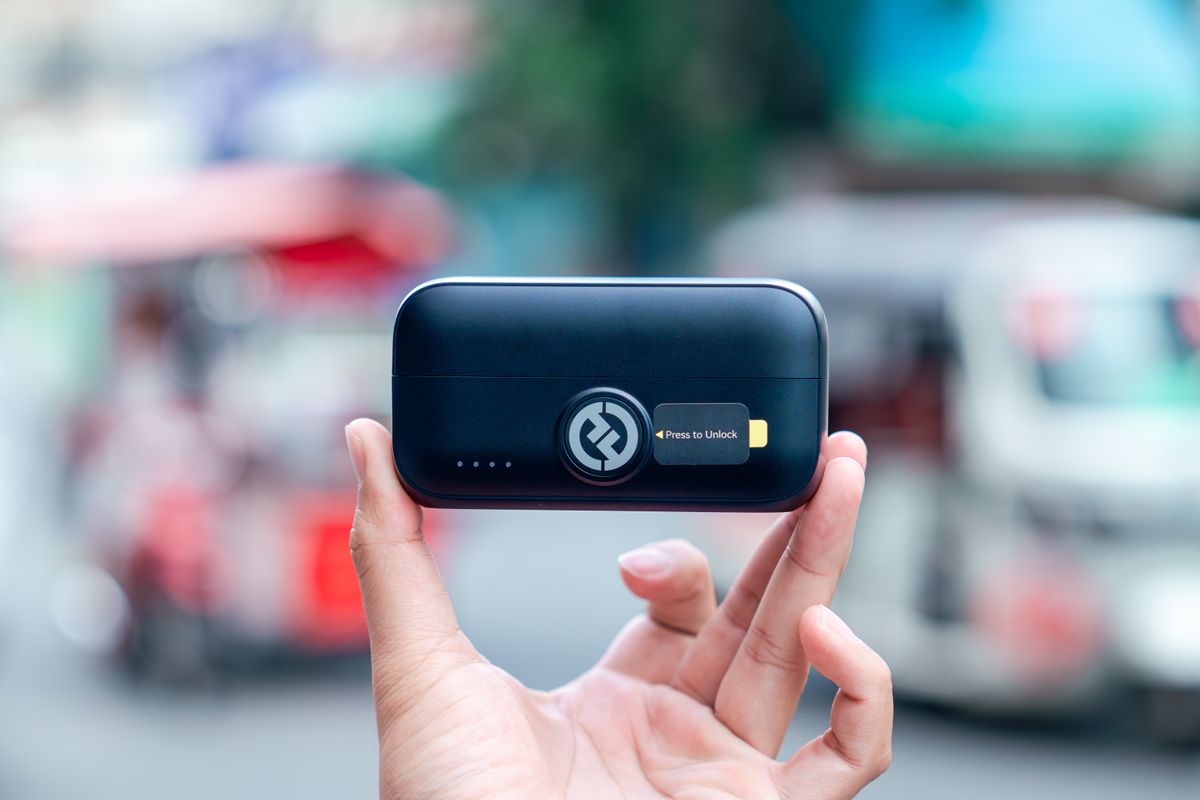
A charged phone becomes extremely valuable during an extended power outage. You may need it to contact relatives, receive emergency updates, check weather information, or communicate with local authorities. Unfortunately, a phone that starts the evening at 15% battery may not last very long if you use it throughout the blackout.
Ready.gov recommends including a phone charger and backup battery in an emergency kit. It also recommends a battery-powered or hand-crank radio, along with a NOAA Weather Radio that has a tone alert.
A basic power bank and a separate battery-powered radio are useful starting points. You don’t necessarily need to buy a large power station to prepare for a standard household outage. The key is to keep essential devices running and receive information if your usual internet connection becomes unavailable.
Charge your phones and power banks before severe weather arrives, rather than waiting until the electricity goes out. Limit unnecessary phone use and save battery for important communication.
A radio is also worth considering because internet access and mobile service may not always be available during an emergency. Having another way to receive updates gives your household an additional source of information.
Prescription Medications and a First-Aid Kit
A power outage can complicate access to everyday supplies, particularly for households with prescription medication or medical equipment. A nearby pharmacy may have limited operations, and transportation may become difficult during severe weather.
Ready.gov and the American Red Cross both recommend keeping a first-aid kit and prescription medications in an emergency supply collection. The Red Cross also recommends maintaining a separate home emergency kit with a medication supply. Its current checklist suggests keeping a one-month supply at home, although older Red Cross guidance gives a different recommendation. Ask your pharmacist about the appropriate amount for your prescriptions.
Households with refrigerated medications need to plan. A cooler, ice packs, and a thermometer may help maintain the required storage conditions. However, medication storage requirements vary. Franciscan Health advises checking the specific medication instructions and consulting a pharmacist. Insulin and certain other medications should not freeze.
The same preparation matters for people who depend on powered medical equipment, including CPAP machines and oxygen concentrators. The Red Cross advises people who rely on electricity-powered medical devices to evacuate when necessary rather than wait until their equipment loses power.
An emergency plan should account for everyone’s needs in the household, not just food and flashlights.
Battery-Backup Carbon Monoxide Alarms and Extra Blankets
The final item on this list is easy to overlook because it does not seem as immediately useful as water or a flashlight. However, a battery-backed carbon monoxide alarm is an important part of preparing for a power outage.
Ready.gov recommends installing battery-backup carbon monoxide detectors on every level of the home. The CDC also advises using a battery-powered or battery-backup carbon monoxide detector when operating a generator.
This matters because some households turn to generators and other fuel-burning equipment when electricity becomes unavailable. Generators must never be operated inside a house, basement, or garage. Ready.gov says they should be placed at least 20 feet away from windows, doors, and vents.
Never use a gas stove, oven, outdoor grill, or indoor barbecue to heat your home. These are not substitutes for a proper heating system.
It is also worth keeping extra blankets, warm clothing, and sleeping supplies in an accessible place. If your home becomes too cold or too hot during an extended outage, the Red Cross recommends moving to a safer location rather than remaining in uncomfortable conditions.
A battery-backed alarm may not be the first thing you think about when shopping for emergency supplies, but it deserves a place on the list.
Could Your Household Last Three Days Without Electricity?
Preparing for a 72-hour power outage does not mean buying expensive equipment or turning your home into an emergency shelter. It starts with practical supplies that cover basic needs, including water, food, lighting, communication, medication, and safety equipment.
The American Red Cross recommends going beyond the three-day baseline by building a two-week supply for staying at home. You can work toward that goal gradually instead of purchasing everything at once.
Check your emergency supplies regularly, replace expired items, test flashlights, and keep power banks charged. Also, make sure everyone in the household knows where the supplies are stored.