9 Restaurant Chains From the 1970s That Vanished Without a Trace
The 1970s were a golden age for American chain restaurants. Families piled into station wagons for Friday night dinners, road trips meant stopping at familiar orange roofs and neon signs, and new chains seemed to pop up in every growing suburb. For a generation of kids, these restaurants were the setting for birthday parties, after-game celebrations and special treats.
Many of those chains are gone now. Some were bought out and renamed, some were swallowed by competitors and others simply faded away as tastes changed. Today, many younger people have never heard of them.
But for anyone who grew up in the 1970s, these names still bring back memories of red vinyl booths, kids’ menus and dessert carts. Here are nine restaurant chains from the 1970s that have all but disappeared.
1. Burger Chef
Burger Chef was once one of McDonald’s biggest competitors, with more than 1,000 locations at its peak in the early 1970s. It was known for its “Works Bar,” where customers could add their own toppings, and for its Fun Meal, an early kids’ meal that predated the Happy Meal.
The chain struggled later in the decade and was sold to Hardee’s in 1982. Most locations were converted, and Burger Chef faded from the American landscape.
2. Sambo’s
Sambo’s was a popular family restaurant chain with more than 1,000 locations by the late 1970s. It was known for its pancakes and bottomless cups of coffee.
The chain faced controversy over its name and imagery, which many people considered racially offensive, and it also suffered from financial problems. Most locations were closed or renamed in the early 1980s. The original Santa Barbara location stayed open for decades before being renamed in 2020.
3. Lum’s
Lum’s was famous for its hot dogs steamed in beer, a novelty that made it a favorite in the 1960s and 1970s. The chain grew so fast that its parent company bought Caesars Palace in Las Vegas in 1969.
Financial troubles and changing tastes led to its decline in the 1980s. Today, only memories and a few old photos remain of the once-popular chain.
4. Gino’s Hamburgers
Gino’s was a fast-food chain founded by Baltimore Colts football player Gino Marchetti. It was especially popular in the Mid-Atlantic region and was known for its “Gino Giant” burger.
In 1982, Gino’s was sold to Marriott, which converted the restaurants to Roy Rogers. A small revival of Gino’s Burgers and Chicken appeared in the 2010s, but the original chain is long gone.
5. Chicken Delight
Chicken Delight was a popular chicken chain in the 1960s and 1970s, famous for its slogan “Don’t cook tonight, call Chicken Delight.” It offered delivery long before it became common for most restaurants.
The chain faced legal challenges and competition from larger chicken brands, and most U.S. locations disappeared. A handful still operate in Canada, but most Americans have never heard of it.
6. Howard Johnson’s Restaurants
Howard Johnson’s was once the largest restaurant chain in the United States, famous for its orange roofs, 28 ice cream flavors and fried clam strips. Families on road trips knew they could find a “HoJo’s” along the highway.
As fast food grew more popular, Howard Johnson’s restaurants declined. The last one, in Lake George, New York, closed in 2022. The brand still exists for hotels, but the restaurants are gone.
7. Victoria Station
Victoria Station was a steakhouse chain built inside old railroad boxcars and cabooses. Its prime rib and train-themed décor made it a popular spot for special dinners in the 1970s.
At its peak, the chain had around 100 locations. It went bankrupt in the 1980s, and today only a few of the old railcar buildings remain, often converted into other businesses.
8. Red Barn
Red Barn was a fast-food chain known for its barn-shaped buildings and its “Big Barney” burger. It had hundreds of locations in the United States in the 1970s.
The chain declined in the late 1970s and early 1980s, and its last U.S. locations closed. Many of the distinctive barn buildings were later reused by other businesses.
9. Sandy’s
Sandy’s was a Midwest hamburger chain that was popular in the 1960s and 1970s. It was known for its Scottish theme and plaid-wearing mascot.
In the 1970s, most Sandy’s locations merged with Hardee’s and were converted to that brand. Today, the name is remembered mostly by people who grew up in the Midwest.
Why These Chains Disappeared
Many of these restaurants struggled as fast-food giants like McDonald’s, Burger King and Wendy’s expanded rapidly. Mergers and buyouts also played a big role, as larger companies bought smaller chains and changed their names.
Changing tastes, rising costs and management problems added to the challenges. According to the Smithsonian’s National Museum of American History, roadside restaurants and chains were closely tied to the growth of highways and car culture, and many couldn’t keep up as that culture changed.
The Family Restaurant Experience
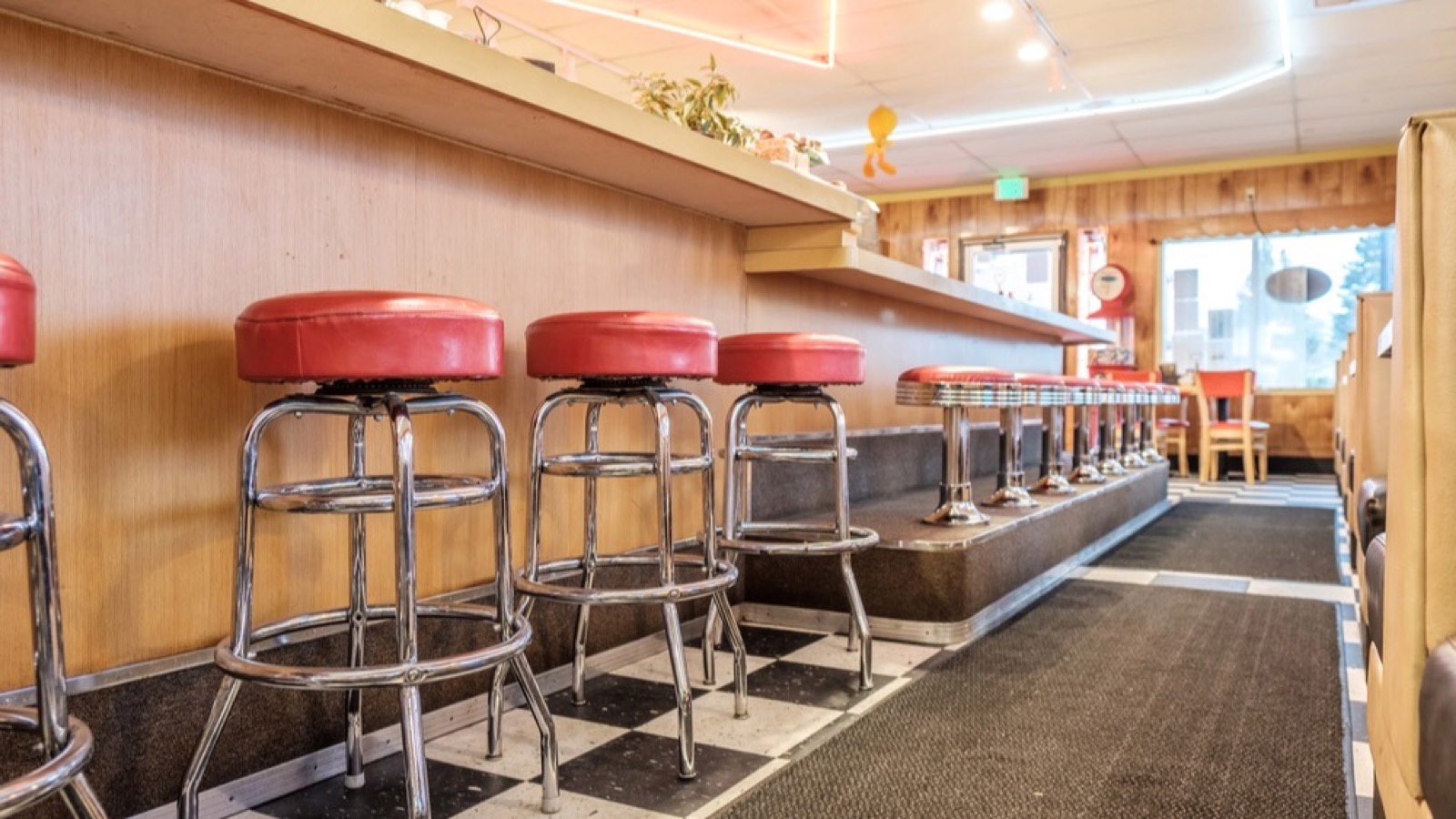
Going out to eat in the 1970s felt like a special event for many families. Kids dressed up a little, parents enjoyed a night off from cooking and everyone looked forward to dessert. Many chains offered kids’ menus with games and coloring pages, along with small toys or paper hats.
Those memories are a big part of why people still talk about these restaurants. It wasn’t just the food. It was the excitement of eating out together, the familiar decor and the feeling of a treat that didn’t happen every day.
Gone but Not Forgotten
Even decades later, people share photos, menus and stories about these restaurants online. Some still remember the taste of a Burger Chef burger or a scoop of HoJo’s ice cream.
These chains may be gone, but for many families, they were part of growing up. And sometimes, a simple mention of their names is enough to bring those memories rushing back. Some former buildings still stand today, now home to other businesses, and longtime locals can still spot them by their shape. Those familiar rooflines are often the last reminders of a restaurant era many families still miss.