8 Penny Candies Boomers Bought at the Corner Store That Are Gone
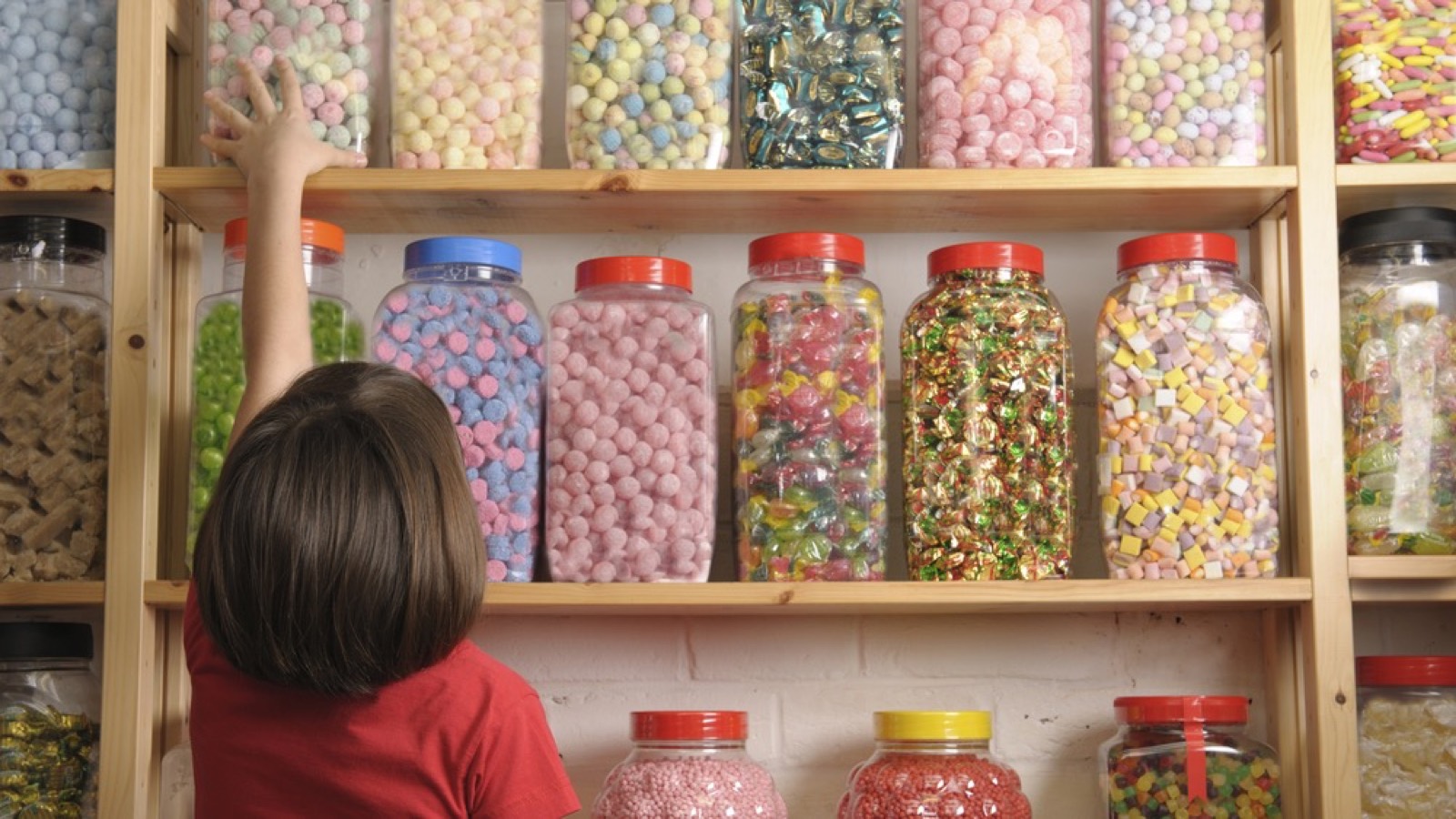
For kids growing up in the 1950s and 1960s, few things were more exciting than a handful of coins and a trip to the corner store. Behind the counter or in glass jars near the register sat rows of penny candy, and a single nickel could buy a small paper bag full of treats.
Choosing was half the fun. Kids pressed their noses to the glass, pointed at their favorites and counted out pennies carefully. Store owners waited patiently while young customers made the most important decision of their day.
Many of those candies have disappeared from store shelves, while others are now hard to find outside of specialty shops. Here are eight penny candies boomers remember that are gone or nearly impossible to find today.
1. Candy Cigarettes
Candy cigarettes were thin sticks of chalky sugar candy, often with a red tip to look like a lit end. They came in boxes designed to resemble real cigarette packs, and kids pretended to smoke them like the adults around them.
Over time, public health concerns about encouraging children to smoke led many companies to rename or redesign the candy. Some versions still exist as “candy sticks,” but the original branding is a thing of the past.
2. Wax Bottles
Wax bottles, sometimes called Nik-L-Nips, were tiny wax containers shaped like soda bottles and filled with sweet, colored syrup. Kids bit off the top, drank the liquid and then chewed the wax.
While they can still be found in some nostalgic candy shops, they’re no longer a common sight at corner stores. Many boomers remember them as a summertime treat.
3. Wax Lips
Wax lips were bright red lips made of paraffin wax that kids wore for laughs before chewing them like gum. They were a favorite novelty candy, especially around Halloween.
Like wax bottles, wax lips are now mostly found in specialty stores. For many boomers, they were part of the fun of being a kid in the 1950s and 1960s.
4. Mary Janes
Mary Janes were peanut butter and molasses taffy wrapped in yellow and red paper. They were a common penny candy for decades and were especially popular with kids who liked chewy treats.
The candy has changed hands among manufacturers over the years, and it became harder to find in many stores. For boomers, the yellow wrapper still brings back memories of corner store trips.
5. Black Cow Suckers
Black Cow suckers were caramel lollipops coated in chocolate. They were a long-lasting treat that kept kids busy for a good while, making them a favorite for movie theaters and Saturday afternoons.
The candy was discontinued decades ago, though some similar caramel suckers are still made today. Many boomers still remember the taste.
6. Penny-Size Chocolate Bars
Many classic candy bars once came in miniature penny-sized versions. Kids could buy a tiny portion of their favorite chocolate bar for just one or two cents, making it possible to try many treats in one trip.
As candy prices rose over the decades, penny versions disappeared. Today’s miniature bars are usually sold in bags rather than individually at the counter.
7. Root Beer Barrels by the Piece
Root beer barrels, hard candies shaped like small barrels and flavored like root beer, were often sold one at a time from big glass jars. Kids could buy several for just a few cents.
They are still made today, but usually in prepackaged bags. Buying them individually from a jar at a neighborhood store is a memory many boomers cherish.
8. Bulk Bubble Gum Pieces
Before gum came in sleek packages, kids often bought individual pieces of bubble gum for a penny. Bazooka gum, with its tiny comic strip inside the wrapper, was one of the most popular choices.
Bazooka gum is still sold, but the classic penny-piece experience has largely faded. Many boomers remember reading the comic and saving them to trade with friends.
Why Penny Candy Disappeared
Inflation was the biggest reason penny candy faded away. As ingredient, packaging and labor costs rose, it became impossible to sell candy for a single cent. According to the U.S. Bureau of Labor Statistics, a penny in 1960 has roughly the buying power of more than 10 cents today.
Changes in shopping habits also played a role. Corner stores gave way to supermarkets and convenience chains, where candy was sold in packages rather than scooped from glass jars.
The Corner Store Was the Center of the Neighborhood
For many boomers, the corner store was more than a place to buy candy. It was a neighborhood gathering spot where kids met friends after school, adults picked up the newspaper and shop owners knew everyone by name. Some stores had soda fountains or comic book racks that kept kids lingering for hours.
Parents often trusted the shop owner to keep an eye on young customers. It was common for kids to walk there alone, coins jingling in their pockets, and come home with a small paper bag of treats. Those trips gave many children their first taste of independence and their first lessons in spending money wisely.
Many of those neighborhood stores closed as supermarkets and chain convenience stores spread through the suburbs. But the memories stayed, and anyone who grew up with one can still picture the glass jars, the creaky floor and the bell that rang when the door opened.
The Joy of a Paper Bag Full of Candy
For many boomers, penny candy was about more than sugar. It was a lesson in budgeting, a chance to make choices and a small taste of independence. Walking to the store alone or with friends felt like a big adventure.
Some old-fashioned candy shops still try to capture that experience, selling candy by the piece in big jars. For those who remember the original corner stores, stepping into one can feel like stepping back in time. A few cents could buy a whole afternoon of happiness back then, and that feeling is hard to forget.