Bringing Your Own Bags? 11 States Ban Plastic Grocery Bags Statewide, and Oregon Tightens Its Rules in 2027
Forget the last-minute scramble for a grocery bag at checkout. In more states, shoppers are being asked to bring their own bags or pay for a paper one, and Oregon is preparing to tighten its rules again.
Eleven states currently have statewide bans on plastic checkout bags: California, Colorado, Connecticut, Delaware, Maine, New Jersey, New York, Oregon, Rhode Island, Vermont and Washington.
Oregon’s next change is scheduled for January 1, 2027. The new rules will close a loophole that allowed stores to offer thicker plastic bags as reusable alternatives at checkout.
Oregon’s current rules still allow thicker plastic bags
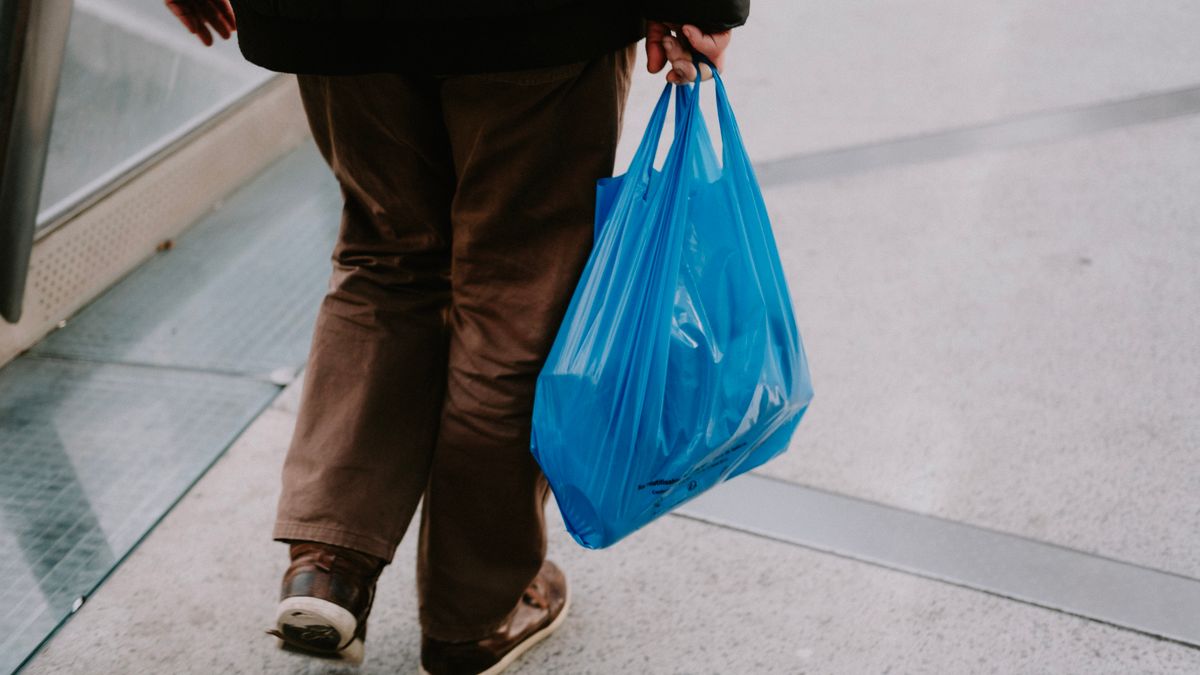
Oregon’s original statewide restrictions took effect in 2020 and prohibited single-use checkout bags.
But the rules allowed certain alternatives. Stores could charge at least 5 cents for recycled paper bags containing at least 40% post-consumer recycled content, reusable plastic bags that are at least 4 mils thick, and reusable fabric bags.
That thicker plastic option became the part of the system that drew attention. Central Oregon Daily reported that shoppers did not necessarily reuse the bags as often as the reusable label suggested.
The result was a system in which the thinner single-use plastic bags were restricted, while thicker plastic versions could still be offered for a fee.
A new Oregon law closes the plastic loophole
Gov. Tina Kotek signed Senate Bill 551 in June 2025.
Starting January 1, 2027, the law eliminates plastic film bags at checkout in grocery stores, restaurants, and other retailers.
The change was originally scheduled to begin in July 2026, but the final legislation pushed the start date back by six months.
For shoppers, the practical difference is straightforward. The thicker plastic checkout bag that could still be offered under the earlier rules will no longer be part of the checkout options covered by the new restriction.
Recycled paper bags remain available as the checkout option described in the reporting.
Not every bag is being banned
The new rule should not be confused with a ban on every type of bag.
Certain bags remain allowed for specific uses, including bags for bulk goods and raw meat. Other non-checkout uses also remain covered by exceptions.
That distinction matters because the rule focuses on plastic film bags at checkout. A shopper may still encounter other types of bags for purposes covered by the exceptions.
Oregon’s 2020 rules also described an exemption for people using WIC or EBT, allowing free paper or reusable plastic bags. The available information in the brief does not establish whether that exemption remains unchanged after Senate Bill 551, so its 2027 status needs confirmation from Oregon’s Department of Environmental Quality.
Oregon is one of 11 states with statewide rules
The broader change is part of a national patchwork of state bag restrictions.
The 11 states with statewide bans are California, Colorado, Connecticut, Delaware, Maine, New Jersey, New York, Oregon, Rhode Island, Vermont and Washington.
Hawaii is sometimes counted separately, bringing the total to 12, because it does not have a state law covering plastic checkout bags. Instead, every county in Hawaii has banned them through local rules.
That is why different lists can produce different totals even though the practical result for shoppers in Hawaii is similar.
California has already tightened its rules
California is another example of how these policies can change over time.
The state has barred plastic bags of any thickness at checkout since January 1, 2026.
New Jersey’s rules take a somewhat different approach. Its ban covers plastic bags and single-use paper bags at grocery stores larger than 2,500 square feet.
The rules therefore are not identical from one state to another. A shopper moving between states can encounter different requirements for the type of bag offered, the stores covered, and the amount charged for paper.
Paper bags can still come with a charge
Plastic restrictions do not mean shoppers automatically receive a free paper bag.
Paper bag fees are typically 5 to 10 cents, according to the information reviewed for this story.
Oregon’s current rules require covered stores to charge at least 5 cents for qualifying recycled paper bags.
That gives shoppers a simple choice at many affected checkouts: arrive with a reusable bag or pay for the available paper option.
The exact rules depend on the state and the type of retailer involved, so a policy that applies in Oregon should not automatically be treated as the rule in another state.
What changes for Oregon shoppers in 2027
For Oregon shoppers, the biggest change arrives January 1, 2027, when plastic film bags will no longer be available at checkout under the new law.
That means the thicker plastic option that existed under the state’s earlier rules will no longer provide the same checkout alternative.
The practical preparation is simple: bring a bag if you want to avoid buying one at checkout, or be prepared for the paper option that remains available.
Oregon’s Department of Environmental Quality administers the state’s bag rules, and updated 2027 guidance will be important for shoppers and retailers as the effective date approaches.
For now, the larger trend is clear. Statewide plastic-bag restrictions are already in place across 11 states, while Oregon is preparing to tighten its own rules further. The change does not eliminate every type of bag, but it does mean shoppers will need to rethink what they expect to find waiting at the checkout counter.