Only People Who Grew Up in the 1950s Remember These 10 Movie Theater Rules
If you grew up in the 1950s, going to the movies was not something you did on your phone or your couch. It was an outing. You dressed for it, you saved for it, and you followed a set of unwritten rules that everybody in town seemed to know, from the usher at the door to the lady selling candy in the lobby.
Here are ten of those movie theater rules. Some of them faded with the decade, some survived well into the 1970s, and a few might make you wish the local picture house still ran things the old way.
1. You Dressed Up to Go to the Show
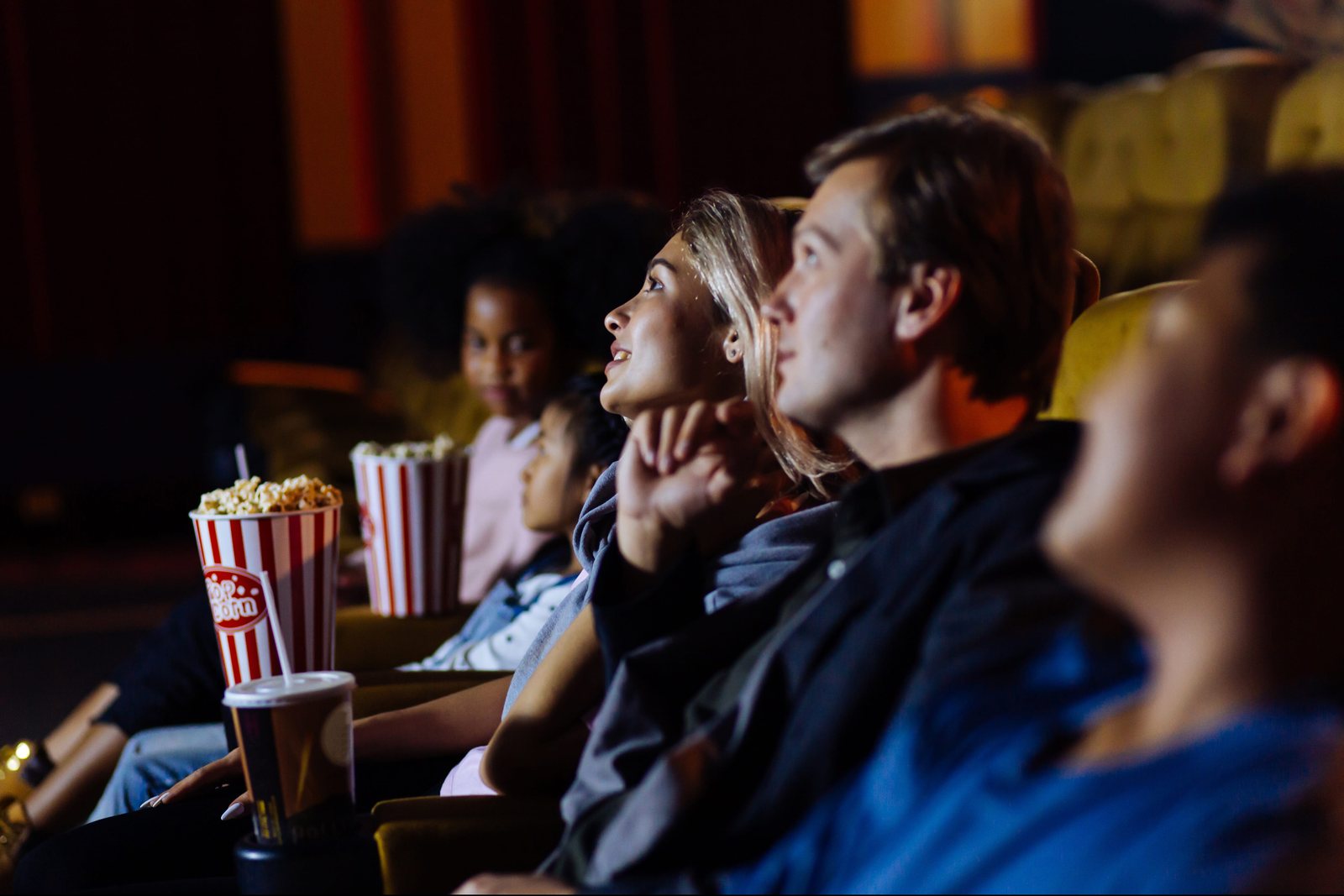
A trip downtown to the movie palace called for clean clothes, combed hair and, for many kids, the same shoes you wore to church. Mothers in gloves and fathers in hats were not unusual, especially for an evening show.
The theater itself felt like a special occasion, with carpeted lobbies, chandeliers and plush seats. It was one of those American traditions that seem charming and a little odd when you describe them to anyone born after 1990.
2. The Usher Was in Charge
Ushers in neat uniforms walked you down the aisle with a flashlight and pointed you to a seat. If you got loud, put your feet on the seat in front of you or tossed candy wrappers, that same flashlight beam found you fast.
Nobody argued with the usher. For a lot of teenagers, the job was also a first paycheck, and a surprising number of grown men still talk about the brass buttons on their jackets.
3. The Newsreel Came Before the Feature
Before the main picture, the lights dimmed for a newsreel, a short film roundup of headlines, sports and oddities. According to the National Endowment for the Humanities, newsreels were released weekly, and by the late 1930s at least 40 million Americans watched them each week.
Television slowly took over that job during the 1950s, and the last American-made newsreels were produced in 1967. Kids of the era may have watched the transition happen in real time, seeing the same stories at the theater that their parents had already caught on the family set, much like the shows in our look back at the TV shows 1950s kids remember.
4. You Got a Whole Program, Not Just a Movie
One ticket often bought a newsreel, a cartoon, coming attractions and sometimes a double feature. An afternoon at the movies could stretch for three hours or more.
That was part of the value. Families on tight budgets counted the movies as a full day of entertainment, a habit that fits right in with boomer habits that are making a comeback as people look for more for their money.
5. Walking In Halfway Through Was Perfectly Normal
Many theaters ran their programs continuously, so people simply walked in whenever they arrived, even in the middle of the picture. You watched until the scene where you came in, then someone whispered, “This is where we came in,” and the family got up and left.
Today that sounds like spoiling the ending on purpose. Back then, it was so common the phrase became a saying of its own, right up there with other nostalgic things everyone had decades ago.
6. Snacks Came From the Lobby, and You Kept Them Quiet
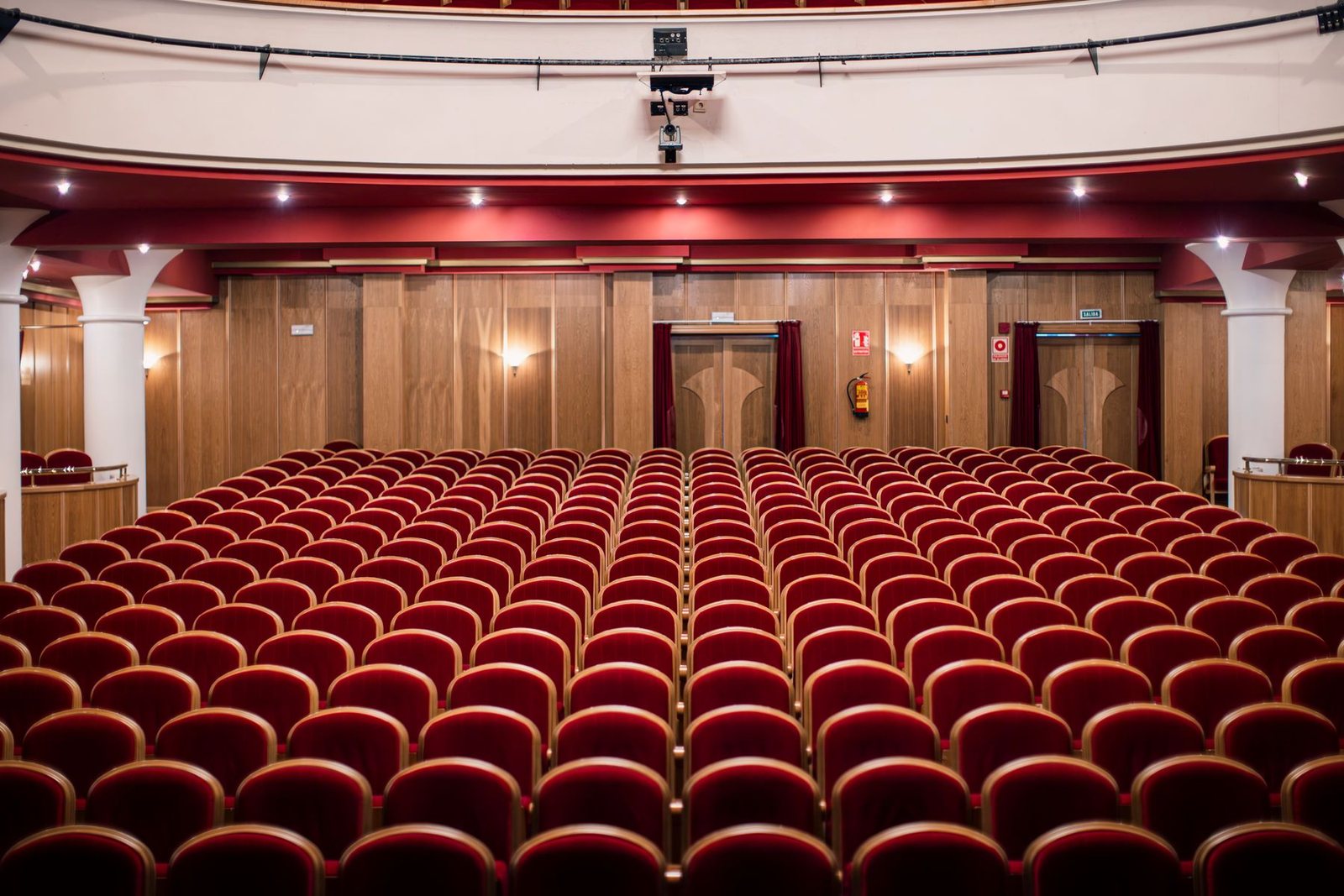
Popcorn was not always welcome at the movies. The Smithsonian explains that early theaters wanted to feel upscale and worried about mess and noise, but the Great Depression changed their minds when a 5- or 10-cent bag of popcorn helped keep the lights on.
By the 1950s, the concession stand was part of the ritual, and so was the rule about crinkling boxes during the quiet scenes. If you want to see how the snack counter grew from there, our list of snacks every 1970s concession stand sold picks up the story.
7. Big Movies Had an Intermission
The grand, long epics of the decade often came with an overture before the curtain opened and an intermission halfway through. It was a chance to stretch, refill the popcorn and visit the restroom without missing anything.
Kids learned that an intermission meant the movie was a big deal. Adults treated those screenings almost like a night at the theater.
8. At the Drive-In, the Speaker Went on the Window
The drive-in had rules all its own. You parked on a little hill, lifted a metal speaker from its post and hooked it onto your car window. History.com notes those speakers often crackled, and many drive-ins added playgrounds and mini golf to keep families coming back.
The format hit its peak right in the middle of the decade. The Smithsonian reports that the number of drive-ins reached 4,063 in 1958. Kids often went in pajamas, ready to fall asleep in the back seat before the second feature.
9. Saturday Matinees Had a Pecking Order
On Saturday afternoons, the theater belonged to kids. Older siblings were in charge of younger ones, and the rule was that you sat together and did not wander off.
Matinees often ran serials and westerns, and the noise level was a lot higher than at the evening show. Many theaters kept a matron or extra ushers on hand to keep order in the aisles.
10. When the Lights Came Up, You Went Home
There were no credits to sit through for a bonus scene. When the picture ended and the house lights came up, you gathered your coat and filed out, sometimes humming the theme song all the way to the car.
The walk home or the ride back was where the real review happened. Everybody had an opinion, and nobody needed an app to share it.
Plenty of these rules disappeared as theaters moved to multiplexes and reserved seats. But anyone who remembers the usher’s flashlight or the crackle of a drive-in speaker knows that going to the movies once felt like an event, and that is a feeling worth keeping.