Five-Ingredient Meals: Simple Cooking Without the Stress
Between busy schedules, rising grocery bills, and the “what are we eating tonight?” question that comes up every day, cooking has started to feel like a puzzle. The good news? You do not need a kitchen full of specialty ingredients or a complicated recipe with a shopping list longer than your arm to make satisfying meals.
Enter the five-ingredient meal. The idea is simple: build a meal around five main food ingredients. Water, salt, spices, or cooking oil may or may not count, depending on the recipe rules, so decide your counting system before you start. Think of it less as a strict cooking law and more as a helpful framework for making dinner decisions easier.
And people clearly like the idea. Research shows many home cooks want meals that are faster and simpler. A 2025 YouGov report found that 60% of Americans preferred spending less than 30 minutes cooking dinner, while Mintel research reported that many home cooks preferred short ingredient lists and one-pot or one-tray meals.
The magic of five ingredients is not that fewer ingredients automatically create a perfect meal. A short ingredient list can still produce meals that are high in sodium, saturated fat, or refined carbohydrates. Instead, the goal is to make planning easier while still thinking about balance: include a protein source, add a vegetable or fruit when possible, and pair meals with nourishing staples.
Why fewer ingredients can make life easier
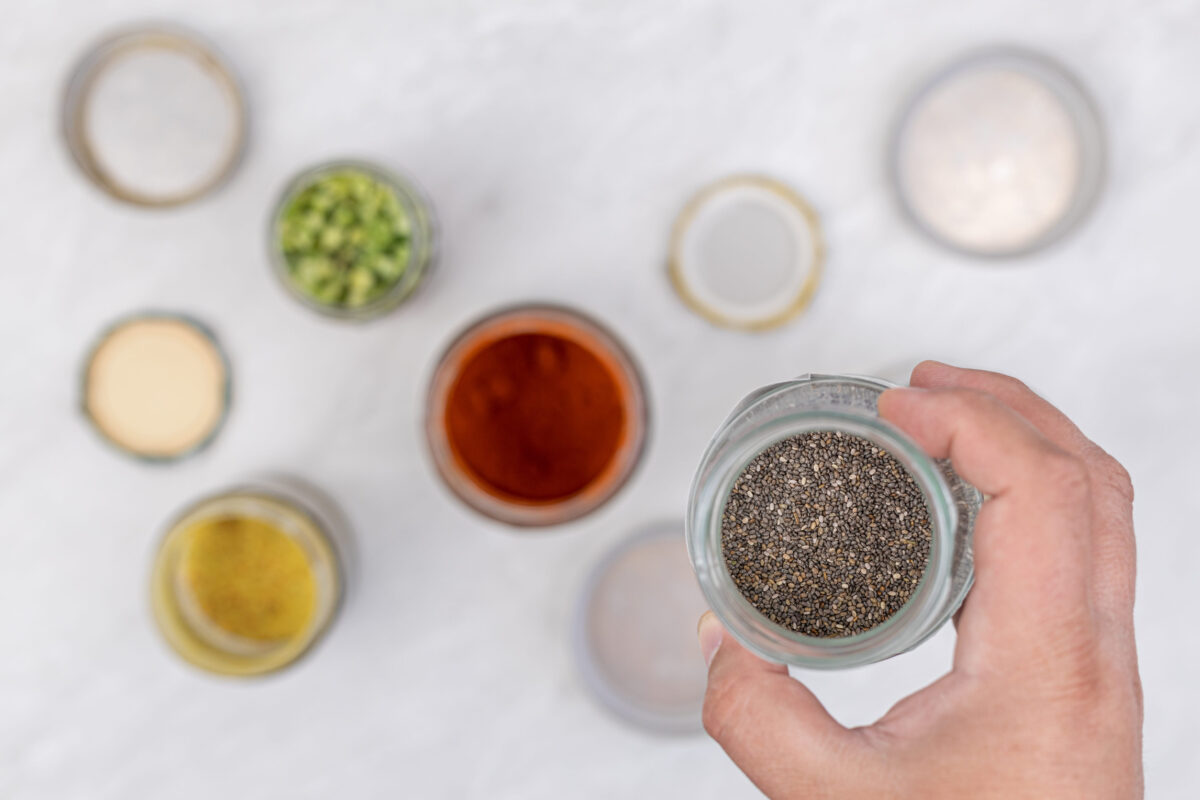
The biggest benefit of five-ingredient cooking is reducing decision fatigue. Instead of standing in the supermarket wondering whether you need twelve different sauces, herbs, and toppings, you start with a simple plan.
It also works beautifully for real life. Small kitchens, limited cooking equipment, beginner cooks, students, and busy families can all benefit from recipes that don’t require complicated prep.
Another bonus is ingredient overlap. Buy a bag of rice, some eggs, beans, vegetables, and a few flavor boosters, and suddenly you have the foundation for several meals. One ingredient can have multiple personalities:
- Rice can become a comforting khichdi, a leftover rice bowl, or a quick breakfast.
- Eggs can become an omelet, a topping, or a fast dinner.
- Beans can become soup, pasta sauce, or a wrap filling.
This approach also helps reduce food waste because you buy ingredients with a plan instead of collecting random items that slowly disappear in the back of the fridge. The EPA recommends checking your refrigerator, freezer, and pantry before shopping, planning meals, buying realistic quantities, and using leftovers creatively.
Five delicious examples from around the world
Khichdi: The comfort bowl
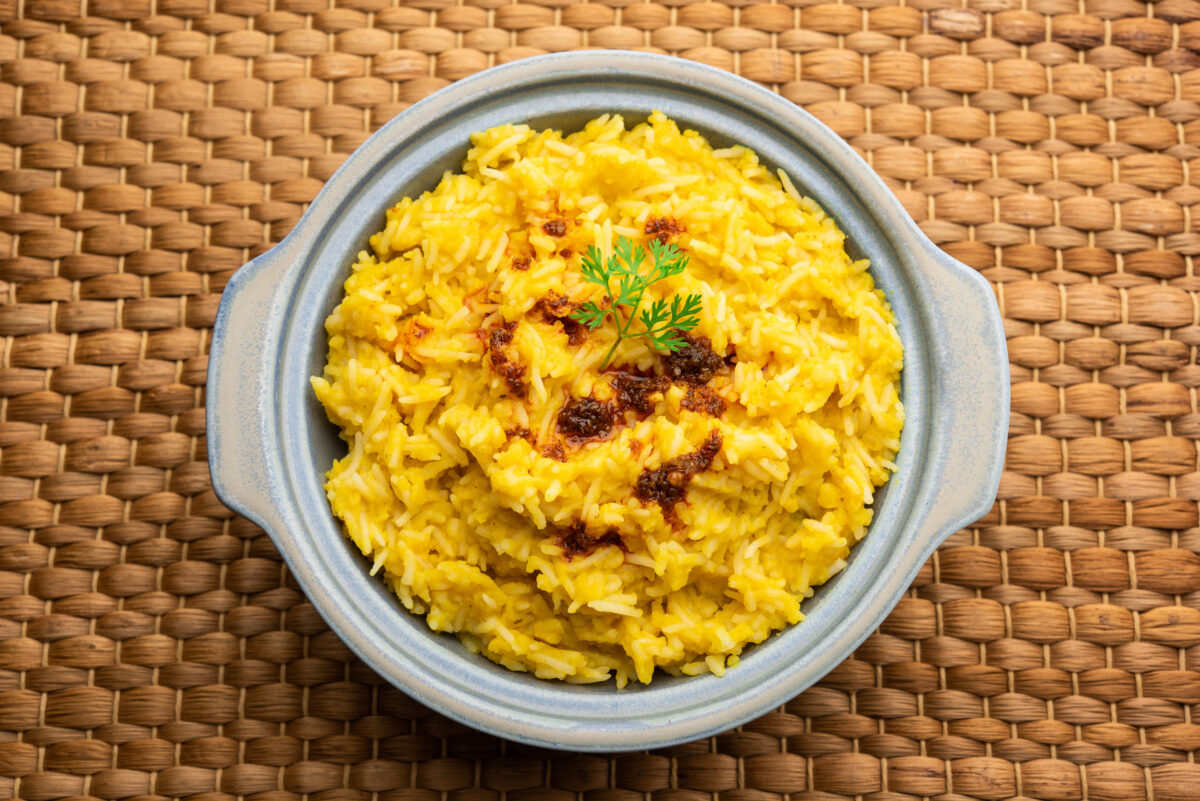
Khichdi is a classic rice-and-lentil dish from India and the wider South Asian region, with many local variations. A simple version uses rice, lentils, onion, turmeric, and oil or ghee.
Why is it perfect for budget cooking? Rice and lentils are affordable, flexible pantry staples. Lentils add plant protein and fiber, while rice provides energy. Add a seasonal vegetable like spinach, carrots, pumpkin, or cabbage when the budget allows.
Tortilla de patatas: Spain’s potato and egg classic

This Spanish potato omelet proves that simple ingredients can create something special. Traditionally made with potatoes, eggs, onion, oil, and salt, it works for breakfast, lunch, dinner, or even a packed meal.
The best part? Potatoes and eggs are familiar, filling ingredients. You can keep it traditional or adapt it with leftover vegetables. Just remember that the amount of oil used can change the nutritional profile, so portion size and cooking style matter.
Pasta e fagioli: Pasta meets beans
Italy’s pasta e fagioli combines small pasta, beans, tomatoes, onion or garlic, and olive oil into a comforting meal. It is a great example of how affordable ingredients can create something hearty and satisfying.
Beans add fiber and protein, helping stretch a smaller amount of pasta into a filling meal. Use canned beans for speed, or dried beans if you have time and want to cut costs.
Bibimbap-inspired rice bowls
Bibimbap means “mixed rice” and is a Korean dish built around rice, vegetables, and toppings. A simple budget version can use cooked rice, an egg, one affordable vegetable, a spicy sauce, and oil.
This is a brilliant leftover meal. Yesterday’s rice, a lonely carrot, or a handful of frozen vegetables can become something completely new.
Tamago kake gohan: Japanese egg and rice
Sometimes simplicity is the whole point. Tamago kake gohan combines rice, egg, soy sauce, and optional toppings such as scallions or sesame seeds.
It is quick, comforting, and ideal when you need food in minutes. If you should avoid raw eggs, a cooked egg version works just as well.
The real secret: make ingredients work harder
Five-ingredient cooking is not about eating the same boring meal every day. It is about being clever.
Choose ingredients that can appear in multiple dishes. Cook a batch of rice and use it in different ways. Prepare beans once and transform them throughout the week. Keep long-lasting vegetables like onions, carrots, and cabbage ready for quick meals.
The best budget meals are not always the ones with the fewest ingredients. They are the ones where every ingredient earns its place.
So the next time dinner feels overwhelming, try asking a simpler question: “What five things can I turn into something delicious?” You might discover that a smaller shopping list can lead to a bigger cooking win.