Women Who Become More Comfortable Being Alone as They Age Often Experience These 7 Things
Some women seem to have a different relationship with friendship as they get older. They stop attending every gathering, lose interest in maintaining large social circles, and may go weeks without checking in with people they once spoke to regularly.
From the outside, it can look like they have become antisocial or difficult to reach. But there is often more to the story.
For some women, spending more time alone is a deliberate choice. They have become more selective about who gets their time and attention. Others are dealing with responsibilities, changing priorities, or life experiences that make maintaining friendships harder than it used to be.
There is also an important difference between enjoying solitude and feeling lonely. A woman can have a small social circle and feel perfectly content, while another may want meaningful friendships but struggle to maintain them.
Here are seven reasons some women gradually lose interest in friendships as they get older.
They Become More Selective About Who Gets Their Time
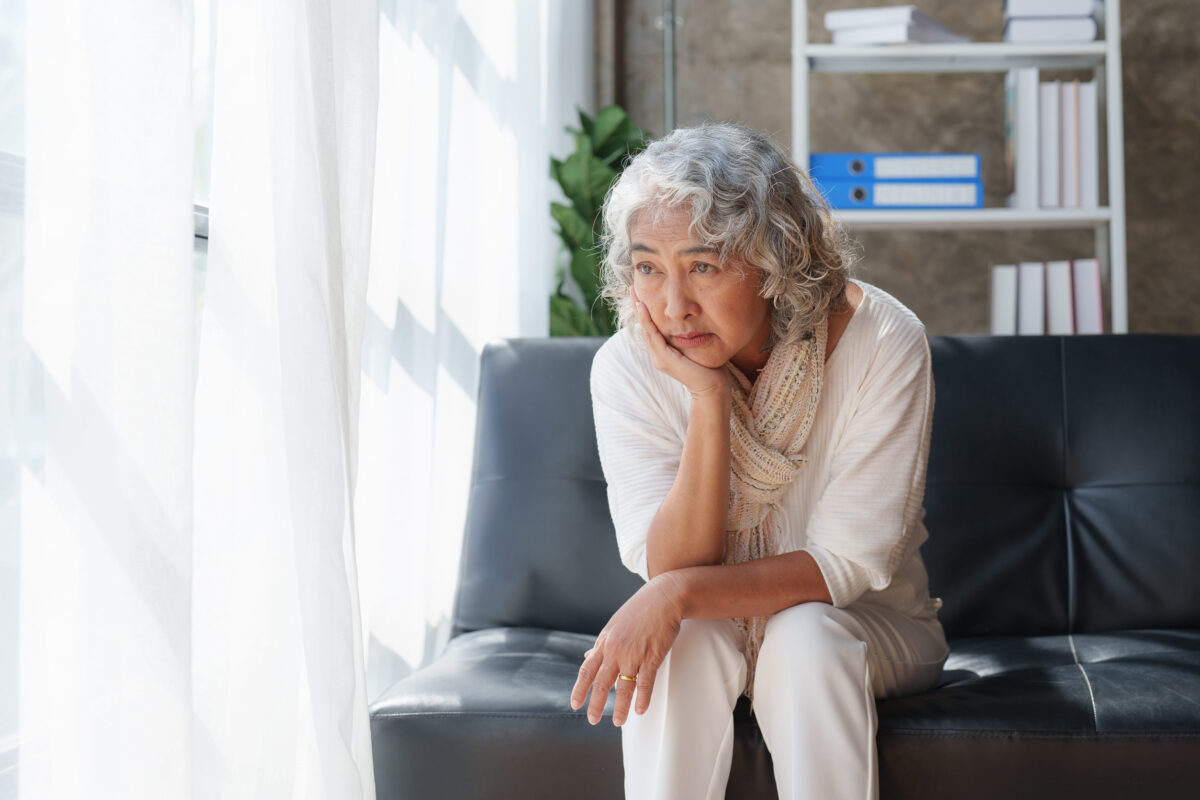
As women get older, their idea of a meaningful friendship can change. They may no longer feel the need to attend every social event, maintain dozens of contacts, or stay connected to people simply because they have known them for years.
Psychologist Laura Carstensen developed socioemotional selectivity theory, which explains how people tend to prioritize emotionally meaningful relationships when they become more aware that their time is limited.
This can mean choosing a quiet dinner with one trusted friend over a crowded gathering with twenty acquaintances.
It does not necessarily mean these women dislike people. They may prefer relationships that offer genuine connection rather than social activity for its own sake.
For them, a few dependable friends can be more valuable than a large circle of people they rarely connect with.
They Have Outgrown One-Sided Friendships
Friendship should involve effort from both sides. However, some women reach a point where they’re tired of always being the one who calls, sends messages, organizes meetups, and checks whether everyone is doing well.
They may begin questioning relationships where their needs are rarely considered.
Perhaps someone only calls when they need a favor. Maybe another friend disappears whenever life gets difficult but expects immediate attention when she needs support.
Over time, these patterns can become exhausting.
Research published in the Journal of Social and Personal Relationships discusses how older adults manage their social networks and prioritize close relationships. As people age, they may value emotionally meaningful connections more than maintaining every casual relationship.
For some women, stepping away from one-sided friendships is not about becoming unfriendly. It is about no longer wanting to carry a relationship alone.
Family Responsibilities Leave Them With Less Time for Friends
Friendships take time, and many women find their schedules grow increasingly complicated as they get older.
Between raising children, supporting aging parents, managing households, maintaining careers, and handling everyday responsibilities, finding time for regular social activities can become difficult.
A woman who once enjoyed spontaneous outings with friends may now need to plan everything around family commitments.
Even when she genuinely wants to meet someone, coordinating schedules can become another task on an already crowded calendar.
Caregiving responsibilities can also bring feelings of isolation. A report by HealthyWomen highlights the challenges women face while balancing caregiving and other responsibilities during midlife.
When much of a woman’s attention goes toward looking after other people, her friendships can gradually move further down the priority list.
Sometimes, distance between friends isn’t caused by an argument. It can simply result from having very little free time.
Burnout Makes Socializing Feel Like Another Responsibility
There is a difference between having free time and having the energy to enjoy it.
Some women spend their days handling work demands, family responsibilities, household duties, and personal commitments. By the time they finally have an opportunity to relax, the last thing they want is another appointment or social obligation.
They may begin declining invitations, responding to messages less frequently, and choosing evenings at home instead of going out.
A study published in the journal Menopause examined stress and burnout among midlife women aged 40 to 65, highlighting how these experiences shape their quality of life.
For women dealing with ongoing pressure, socializing may start to feel like another item on a never-ending to-do list.
This does not mean they no longer value friendship. They may need more time to themselves than they did when their schedules were less demanding.
Making New Friends Becomes More Difficult
Making friends as a child or young adult often happens naturally. School, college, workplaces, and shared activities create regular opportunities to meet the same people.
As women get older, those opportunities may become less frequent.
People move to different neighborhoods, change careers, raise families, and develop routines that leave little room for meeting new people.
Even when two adults get along, turning that initial connection into a meaningful friendship requires time and repeated effort.
Research by University of Kansas professor Jeffrey Hall examined how much time people spend together as friendships develop. His findings suggest that moving from acquaintances to casual friends, and then to close friends, takes considerable shared time.
That can be difficult for women with busy schedules or limited opportunities to meet people regularly.
Consequently, some women become comfortable with their existing social circles rather than putting considerable effort into building new ones.
Life Changes Can Disrupt Long-Standing Friendships
Friendships are sometimes built around a particular stage of life. Women may become close because their children attend the same school, they work in the same office, or they live in the same neighborhood.
When those circumstances change, the friendship can become harder to maintain.
A woman who relocates for work may lose regular contact with her closest friends. Another may experience a breakup and find that several mutual friendships change along with the relationship.
Retirement, career changes, grief, and other major transitions can also alter someone’s social circle.
The difficult part is that these changes do not always involve a disagreement. Sometimes, people simply move in different directions.
After experiencing several disrupted friendships, some women become more cautious about investing heavily in new relationships.
They may prefer a smaller circle that fits their current lives rather than constantly trying to recreate the social connections they had in the past.
They Discover That Solitude Is Actually Enjoyable
Not every woman who spends more time alone is lonely. Some genuinely enjoy their own company and find that having fewer social commitments gives them more freedom.
They may enjoy reading, pursuing personal interests, spending quiet evenings at home, or simply having a weekend without plans.
Clinical psychologist Rowan Burckhardt has discussed how people can become more comfortable with solitude as they get older.
This can be a meaningful shift for women who previously felt pressure to remain socially available or constantly surround themselves with others.
They may discover they don’t need frequent outings or conversations to feel fulfilled.
However, enjoying solitude should not be confused with unwanted isolation. Some women are happy with a smaller social circle, while others miss having people they can depend on.
Both experiences deserve understanding, not judgment.
The Difference Between Being Alone and Being Lonely
Losing interest in maintaining a large friendship circle does not automatically mean something is wrong. For some women, it reflects changing priorities, personal growth, and a preference for deeper relationships.
Still, it is important to recognize that not everyone who withdraws socially is making that choice willingly. A 2024 analysis published in the National Library of Medicine examined differences in loneliness between women and men, reminding us that social isolation and loneliness are not the same experience.
Ultimately, friendships do not have to be numerous to be meaningful. Some women are happiest with two or three dependable people, while others enjoy a wider social circle.
The important thing is having relationships that feel genuine, supportive, and worthwhile.