7 Foods Grandma Swore By When Someone Caught a Cold
When a child woke up sniffling in the 1950s, there was no rush to the pharmacy. Grandma took one look, felt a forehead with the back of her hand, and headed for the kitchen. She had her own medicine cabinet, and most of it was kept in the pantry.
Her remedies were simple, warm, and delivered with a firm order to stay in bed. Some had been passed down for generations, and others came from neighbors or the family doctor. Everyone who grew up with them remembers the taste.
What is surprising is how many of those old kitchen cures have at least some science behind them. These are the seven foods Grandma swore by when someone in the house caught a cold, and what researchers have since learned about them.
1. Chicken Soup
Chicken soup was always the first thing on the stove. Grandma simmered a whole bird with onions, carrots, and celery, then served the broth with noodles or rice. A sick child got a bowl on a tray, whether they were hungry or not.
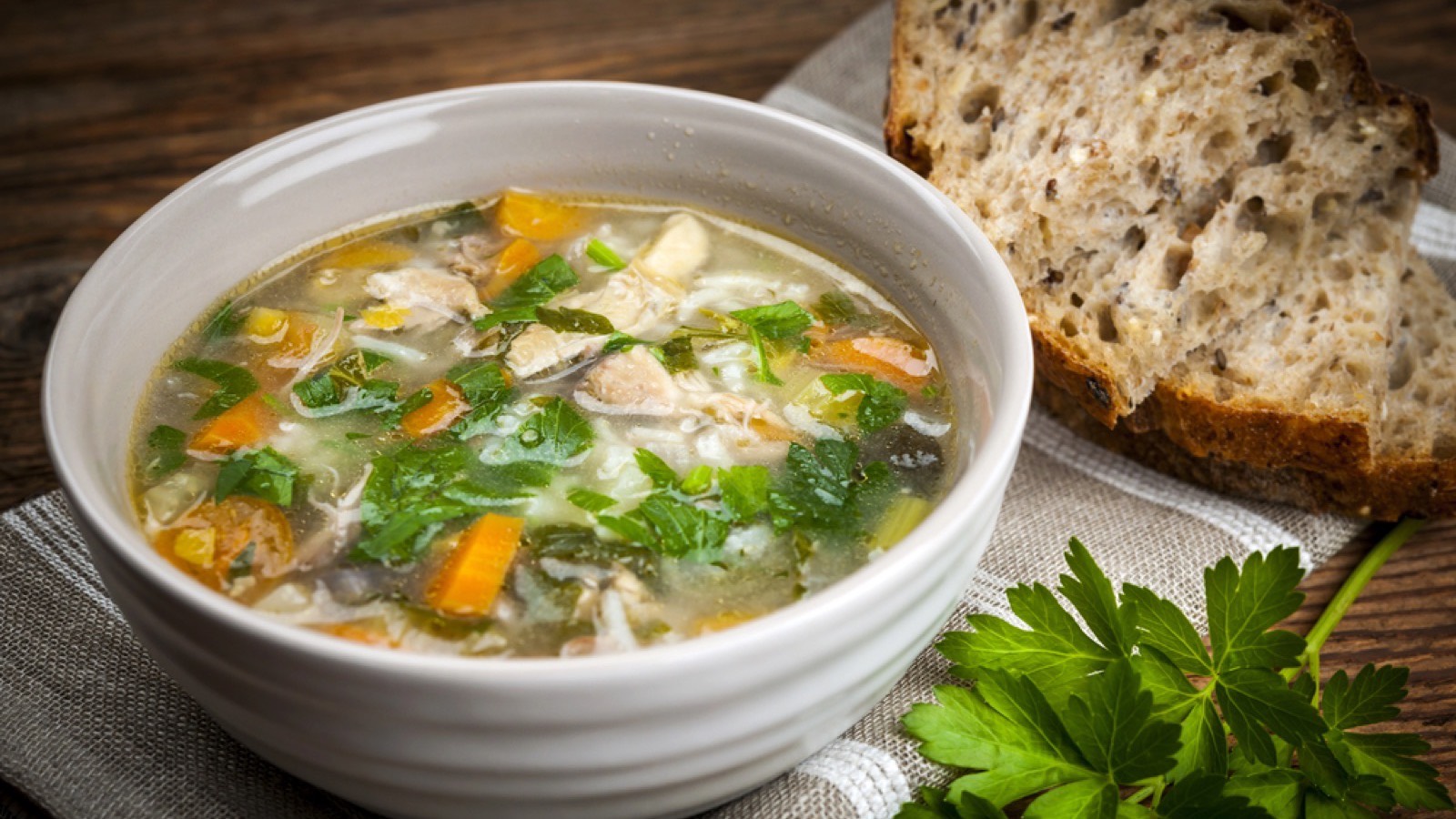
It turns out she was onto something. A well-known 2000 laboratory study found that chicken soup may have a mild anti-inflammatory effect that could ease cold symptoms. The warm liquid and steam also help with a stuffy nose and keep a sick person hydrated.
2. Hot Tea With Honey and Lemon
A steaming cup of tea with honey and lemon was Grandma’s answer to a sore throat. She stirred in a big spoonful of honey and squeezed half a lemon into the cup. Then she told you to sip it slowly while it was still hot.
Honey remains among the best-supported home remedies. According to the Mayo Clinic, honey may help with coughs in adults and in children over one year old. It should never be given to babies under 12 months because of the risk of infant botulism.
3. Milk Toast
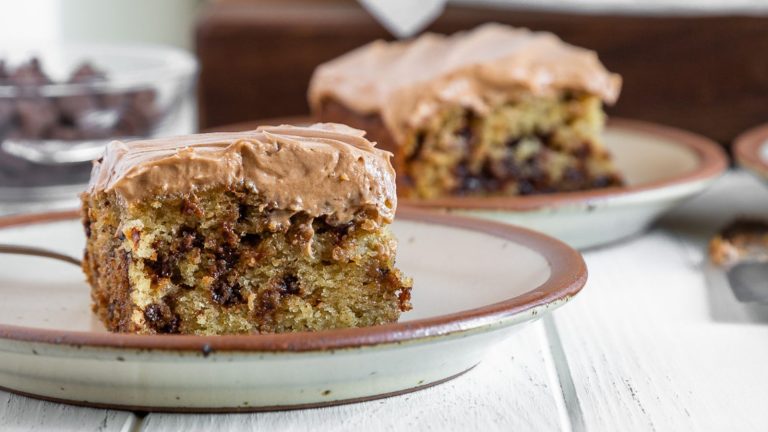
Milk toast has almost disappeared, but it was once the standard food for anyone who was ill. Grandma buttered a slice of toast, placed it in a bowl, and poured warm milk over it. Sometimes she added a sprinkle of sugar, cinnamon, or salt and pepper.
It was soft, bland, and easy on an upset stomach. A sick child who could not face a full meal could usually manage a few spoonfuls. Many older adults still think of it as the ultimate comfort food, and it belongs among the forgotten childhood foods worth remembering.
4. Ginger Ale and Saltine Crackers
Flat ginger ale and saltines were the classic pairing for a queasy stomach. Grandma opened the bottle early so the bubbles would settle. She set a sleeve of crackers on the nightstand and told you to nibble.
Real ginger has long been used to ease nausea, although many modern ginger ales contain very little of it. The crackers gave a little salt and something gentle to eat. More than anything, this remedy kept a sick person sipping fluids, which doctors still say matters most.
5. Onions and Garlic
Grandma believed in the power of onions and garlic. She put extra onions in the soup and sometimes made a homemade cough syrup by layering sliced onions with sugar or honey. A few families even placed a cut onion beside the bed.
Garlic and onions do contain compounds that scientists have studied for possible health benefits. The evidence that they shorten a cold is limited, and a raw onion on the nightstand will not pull germs from the air. Still, a pot of soup loaded with both certainly did no harm.
6. Orange Juice and Citrus Fruit
A glass of orange juice was handed to anyone with the first sign of a cold. Grandma kept oranges and grapefruit on hand all winter for just that reason. She was sure that vitamin C would knock out the illness.

The science here is mixed. Research suggests that taking vitamin C once a cold has started does not help most people very much. Still, citrus fruit is nutritious, and the extra fluid is useful when you are sick.
7. A Hot Toddy for the Grown-Ups
For adults, Grandma had a stronger remedy. A hot toddy was made with hot water, honey, lemon, and a splash of whiskey or brandy. It was taken at bedtime, and the patient was then sent straight under the covers.
Doctors today do not recommend alcohol as a cold treatment, since it can be dehydrating and may interfere with medications. The warm honey and lemon were probably doing most of the soothing. Leaving out the whiskey gives you the same comfort without the downside.
Why Her Remedies Worked So Well
Even where the science is thin, Grandma’s approach got the basics right. She kept sick people warm, rested, and well supplied with fluids. Health experts still say those are the most important things you can do for a common cold.
There is no cure for a cold, and most people recover on their own in about a week to ten days. Warm liquids can ease congestion and soothe a sore throat. Soft, bland foods are gentle when the appetite is low.
Her care also had a power that cannot be measured. A bowl of soup carried to the bedside told a child that someone was looking after them. Many habits grandkids picked up from their grandparents started with moments just like that.
When Home Remedies Are Not Enough
Kitchen cures are meant for ordinary colds. Anyone with trouble breathing, a high fever that will not come down, chest pain, or symptoms that last more than ten days should see a doctor. The same goes for a cold that seems to improve and then suddenly gets worse.
Older adults need to be especially careful, because a simple cold can lead to more serious illness. It is also wise to check with a pharmacist before mixing home remedies with prescription drugs. Some natural products, even common ones, can interact with medicines.
Be cautious about anything sold as a miracle cure. The National Center for Complementary and Integrative Health warns that many “detox” products make claims that are not backed by good research. Grandma’s soup is a far safer bet.
The Comfort That Never Goes Out of Style
Most of us still reach for these foods when we feel a cold coming on. We make the soup, heat the kettle, and look for the crackers. It is a habit that was planted in childhood and never left.
Perhaps that is the real secret behind Grandma’s cures. They made a miserable day feel a little softer, and they reminded us that we were loved. What did your grandmother make when you were sick, and do you still make it today?